
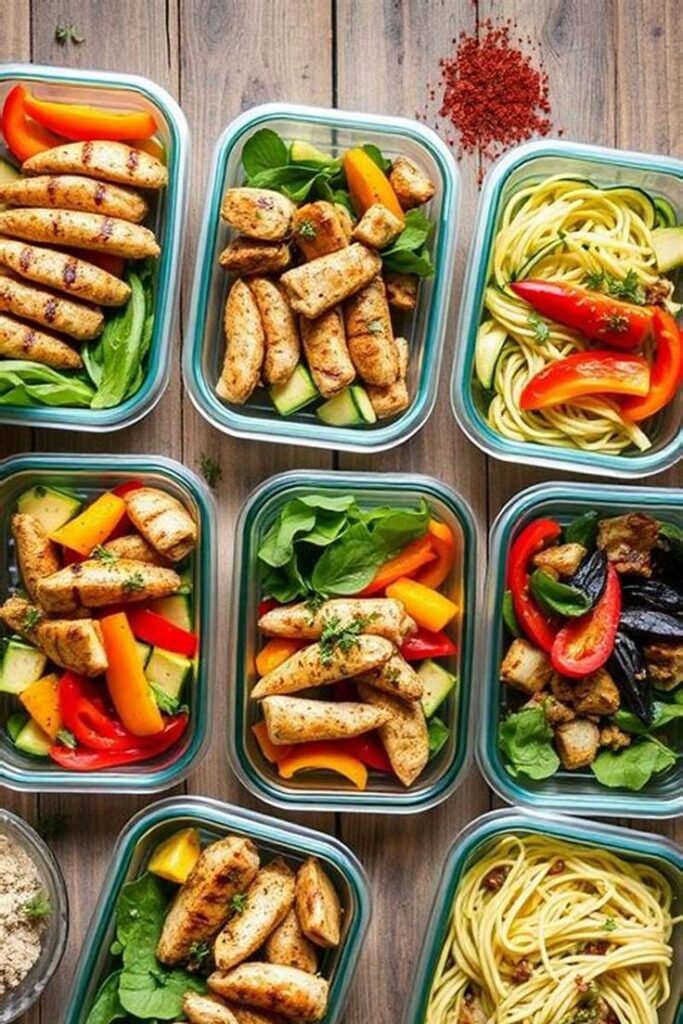
The Importance of Meal Preparation
Meal preparation serves as a pivotal component in maintaining a balanced and healthful diet. By allocating a predefined time each week for the planning and preparation of meals, individuals can significantly streamline their weekday routines. This proactive approach not only conserves precious time during busy workdays but also alleviates stress associated with last-minute meal decisions.
One of the essential benefits of meal preparation is its role in promoting portion control. When individuals systematically plan their meals, they can pre-portion ingredients and meals, which aids in avoiding overconsumption and encourages more mindful eating practices. This control extends to making healthier choices, as individuals who plan their meals are less likely to succumb to unhealthy options that may arise from spontaneous eating behaviors.
Moreover, planning ahead allows for more thoughtful selection of ingredients, promoting the inclusion of nutritious food items in one’s diet. By taking time to explore various recipes and foods, individuals can ensure their diets are well-rounded, encompassing necessary vitamins and minerals to support overall health. This element of planning can positively affect physical wellness, leading to increased energy levels and improved mood.
Additionally, effective meal preparation can foster a sense of accomplishment and satisfaction. Individuals who take the time to prepare their meals often express enjoyment in the cooking process, which transforms the act of eating into a more pleasurable and mindful experience. Involving family members in meal preparation can further elevate this experience, strengthening social bonds and encouraging healthy eating habits within households.
In conclusion, the significance of meal preparation cannot be overstated. It simplifies daily eating experiences, instills discipline in dietary habits, and ultimately contributes to a healthier lifestyle. By embracing meal preparation, individuals can harness its many benefits, setting a foundation for improved health and wellness.
Planning Your Weekly Menu
Creating an effective weekly menu is an essential step in mastering meal preparation, as it not only simplifies grocery shopping but also ensures a well-balanced diet. A thoughtfully planned menu incorporates a variety of nutrients, flavors, and meal types, catering to individual preferences and dietary restrictions.
Begin by considering what types of meals you enjoy and the dietary needs of everyone in your household. For example, if someone follows a vegetarian diet, ensure that your menu includes ample plant-based proteins alongside other macronutrients. It can be helpful to select a range of recipes that feature diverse food groups, such as lean proteins, whole grains, healthy fats, and a colorful array of vegetables, all of which contribute to a healthier lifestyle.
When selecting recipes, look for seasonal ingredients. Seasonal produce is often fresher, tastier, and more affordable. Moreover, incorporating these ingredients can enhance the variety in your meals throughout the year. Additionally, consider how these seasonal items can be used creatively across multiple meals to minimize waste and reduce costs.
Once you have a selection of recipes, organize your meals for specific days, allowing for flexibility based on schedules and preferences. For instance, lighter meals can be scheduled for weekdays, while more elaborate dishes can be reserved for weekends. This approach not only keeps your menu exciting but also helps to manage time effectively, ensuring that meal preparation aligns with your routine.
Finally, reviewing your weekly menu at the start of each week can help you identify what worked well and what could be improved. This process allows you to refine your meal planning skills and ultimately contributes to a healthier lifestyle by ensuring that you enjoy your meals while meeting nutritional needs.
Grocery Shopping Tips for Meal Prep Success
Effectively managing your grocery shopping can significantly enhance your weekly meal preparation, ensuring that it is both efficient and cost-effective. The first step in this process begins with creating a well-thought-out shopping list. This list should align with your meal plan for the week, incorporating all necessary ingredients, and helping to minimize the chances of forgetting essential items. Writing down specific quantities can also help to avoid over-purchasing and waste.
When choosing ingredients, prioritize fresh, whole foods over processed items. These not only provide greater nutritional value but also tend to be more versatile in recipes. For produce, selecting seasonal fruits and vegetables ensures that you are getting the freshest options at lower prices. Additionally, it’s beneficial to visit local farmers’ markets when possible, as this can provide access to fresher and more organically grown options.
Buying in bulk can be another effective strategy to maximize both nutrition and budget efficiency. Staples like grains, legumes, and spices can be purchased in larger quantities for cost savings. However, ensure that you have proper storage solutions to maintain their freshness. It’s also wise to consider perishability; for items like meats or dairy, buy only what you will consume within a short period or freeze extra portions for later use.
Impulse buying is a common pitfall that can unravel even the best-planned grocery trips. To combat this, adhere strictly to your prepared list and avoid shopping while hungry, as this increases the likelihood of unplanned purchases. Spending a few extra minutes organizing your grocery list by store layout can also streamline your shopping experience, making it quicker and reducing the chance of overspending.
By implementing these targeted grocery shopping tips, you can facilitate a smoother meal preparation process, ensuring that not only your meals are healthier, but also your shopping habits are more mindful and sustainable.
Efficient Cooking Techniques for Meal Prep
In the fast-paced world we live in, efficient cooking techniques for meal preparation are essential. By adopting specific strategies, one can save significant time without compromising on the quality or nutritional value of meals. Batch cooking is among the most effective methods. This involves preparing large quantities of food at once, allowing you to store portions for use throughout the week. When executed correctly, batch cooking minimizes the time spent in the kitchen, as you require only one cooking session to yield multiple meals.
Incorporating kitchen gadgets such as slow cookers and pressure cookers can further expedite the meal prep process. Slow cookers allow you to set your ingredients and leave them to cook for hours, resulting in flavorful meals with minimal effort. On the other hand, pressure cookers reduce cooking time significantly, enabling a delicious family dinner to be prepared in a fraction of the time compared to traditional methods. These gadgets are particularly beneficial for preparing soups, stews, and whole grains, making them essential tools in a modern kitchen.
Another important aspect of efficient cooking is the proper storage of prepared meals. Utilizing airtight containers not only maintains food freshness but also promotes organization in your refrigerator or freezer. Labeling meals with dates and contents can help you keep track of what meals are available, reducing food waste. Furthermore, implementing a meal plan for the week can streamline your cooking process, ensuring that you have all ingredients on hand. Implementing these strategies in your cooking routine will facilitate a smoother, more enjoyable meal prep experience, ultimately leading to a healthier lifestyle.