
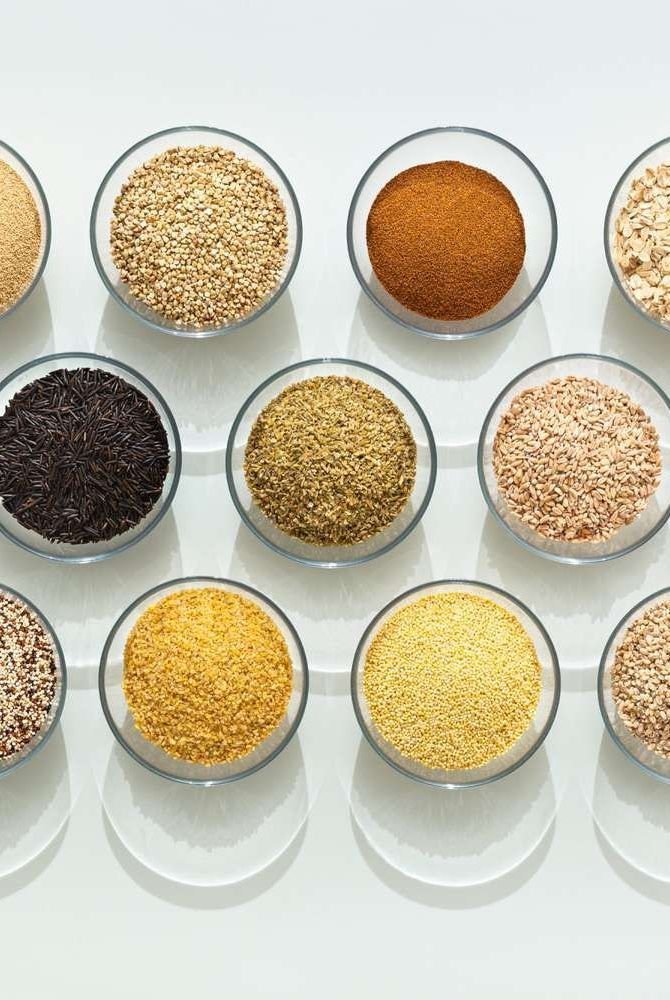
Understanding Whole Grains and Their Benefits
Whole grains are types of grain that include all three parts of the kernel: the bran, germ, and endosperm. This structure is crucial because it ensures that whole grains retain their essential nutrients, which are often lost during the refining process of grains. Refined grains, by contrast, have been milled to remove the bran and germ, stripping them of valuable dietary fiber, vitamins, and minerals. As a result, whole grains offer a more nutritious option that supports various aspects of health.
One of the hallmark benefits of whole grains is their high fiber content. Fiber plays a significant role in promoting digestive health by aiding in regular bowel movements and preventing constipation. Moreover, a diet rich in fiber from whole grains can help individuals feel fuller for longer, which is beneficial for weight management. The inclusion of whole grains in the diet can assist in reducing overall calorie intake, thereby helping in the maintenance of a healthy body weight.
In addition to fiber, whole grains are packed with essential vitamins and minerals, such as B vitamins, iron, magnesium, and selenium. B vitamins are vital for energy production and brain function, while minerals such as magnesium support muscle and nerve function, as well as bone health. The antioxidants and anti-inflammatory properties found in whole grains also contribute to heart health, potentially lowering the risk of cardiovascular diseases. Studies have shown that individuals who consume higher amounts of whole grains may experience a reduced risk of coronary heart disease and stroke.
In conclusion, understanding whole grains and their nutritional benefits is essential for making informed dietary choices. By choosing whole grains instead of refined grains, individuals can enhance their overall health, support digestive processes, promote heart health, and assist in effective weight management. Incorporating a variety of whole grains into one’s diet can lead to the attainment of these health benefits, ultimately contributing to a balanced and nutritious lifestyle.
Quinoa: The Protein-Packed Super Grain
Quinoa, often referred to as a super grain, is renowned for its impressive nutritional profile. Unlike many other grains, quinoa is unique in that it contains a complete protein. This means it provides all nine essential amino acids, making it particularly valuable in vegetarian and vegan diets where these nutrients may otherwise be lacking. A single cup of cooked quinoa offers approximately 8 grams of protein, contributing significantly to daily protein requirements.
Furthermore, quinoa is rich in dietary fiber, iron, magnesium, and B vitamins, making it a holistic choice for increasing overall nutrient intake. The high fiber content not only supports digestive health but also aids in maintaining a healthy weight by contributing to feelings of fullness. The mineral density of quinoa further enhances its reputation, as it helps in various bodily functions, from oxygen transportation in the case of iron to energy production associated with B vitamins.
The versatility of quinoa in cooking is another factor that adds to its appeal. Its fluffy texture and nutty flavor allow it to be used in a wide array of dishes, from salads to soups, and even as a substitute for rice or pasta. Quinoa can be prepared as a side dish, mixed into breakfast bowls, or featured prominently in main courses. Chefs and home cooks alike appreciate its ability to absorb flavors, making it an excellent complement to diverse cuisines.
Due to quinoa’s adaptable nature, it can be easily incorporated into vegetarian recipes, enhancing nutritional content while satisfying diverse palates. Meat-eaters can also benefit from adding this super grain to their diet, providing a nutritional boost without compromising on flavor. Whether served warm or cold, quinoa is an appealing option for those looking to enhance their meals with a healthy, protein-packed ingredient.
Brown Rice: The Nutty Whole Grain Option
Brown rice stands out as a highly nutritious choice compared to its more processed counterpart, white rice. Unlike white rice, which has been stripped of its bran and germ, brown rice retains these essential components, making it a whole grain and a better source of nutrients. This retention leads to a variety of health benefits, particularly its higher fiber content, which can support healthy digestion and help maintain stable blood sugar levels.
One of the main advantages of incorporating brown rice into your diet is its impressive nutrient profile. Brown rice is rich in essential vitamins and minerals such as magnesium, phosphorus, and B vitamins. These nutrients play crucial roles in energy metabolism and overall health. Additionally, the higher fiber content not only aids in digestion but also promotes a feeling of fullness, which can be beneficial for those looking to manage their weight.
From a culinary perspective, brown rice offers a pleasantly chewy texture and a subtle nutty flavor, making it a versatile ingredient in various dishes. It can be used as a base for grain salads, pilafs, or stir-fries, or served alongside vegetables and proteins for a balanced meal. When cooking brown rice, it is essential to allow for a longer cooking time than white rice; typically, it takes about 45 minutes to cook through depending on the desired texture. Soaking brown rice for a few hours before cooking can also help reduce the cooking time and enhance its digestibility.
Inclusion of brown rice in your diet is strongly recommended for those looking for a wholesome alternative to white rice. Its benefits extend beyond just fiber and nutrients; it enhances meal satisfaction and contributes to a balanced diet. Thus, considering brown rice as a staple can support better dietary habits and improve overall well-being.
Oats: A Heart-Healthy Staple
Oats are recognized as a heart-healthy staple in diets worldwide, largely due to their rich nutritional profile and numerous health benefits. One of the standout characteristics of oats is their high soluble fiber content, specifically beta-glucan, which has been proven to lower cholesterol levels. Regular consumption of oats can help reduce low-density lipoprotein (LDL) cholesterol, often referred to as “bad cholesterol,” thereby improving overall heart health.
There are several forms of oats available today, each offering unique culinary uses. Rolled oats, which are steamed and flattened, are often used in traditional oatmeal dishes and baking. Steel-cut oats, on the other hand, are whole oat groats that have been chopped into pieces, providing a chewier texture and a nuttier flavor. Instant oats are precooked and then dried, making them quick to prepare but often contain added sugars and preservatives, so selecting plain varieties is advisable for health-conscious consumers.
Incorporating oats into your daily meals can be both delicious and versatile. For breakfast, they can be prepared as warm oatmeal topped with fruits, nuts, or a drizzle of honey for added flavor. For a creative twist, overnight oats can be prepared by soaking rolled oats in milk or yogurt with your choice of toppings, providing a nutritious grab-and-go option. Furthermore, oats can be added to smoothies for a creamy texture, baked into healthy muffins, or even utilized as a binding agent in meatloaf and veggie burgers, thereby enhancing the nutritional quality of various dishes.
Incorporating oat-based recipes such as granola bars, pancakes, or cookies ensures that you enjoy the heart-healthy benefits that oats provide while embracing a variety of flavors and textures. Overall, oats stand out as an essential food item for those looking to enhance their nutrition in a palatable and practical manner.