
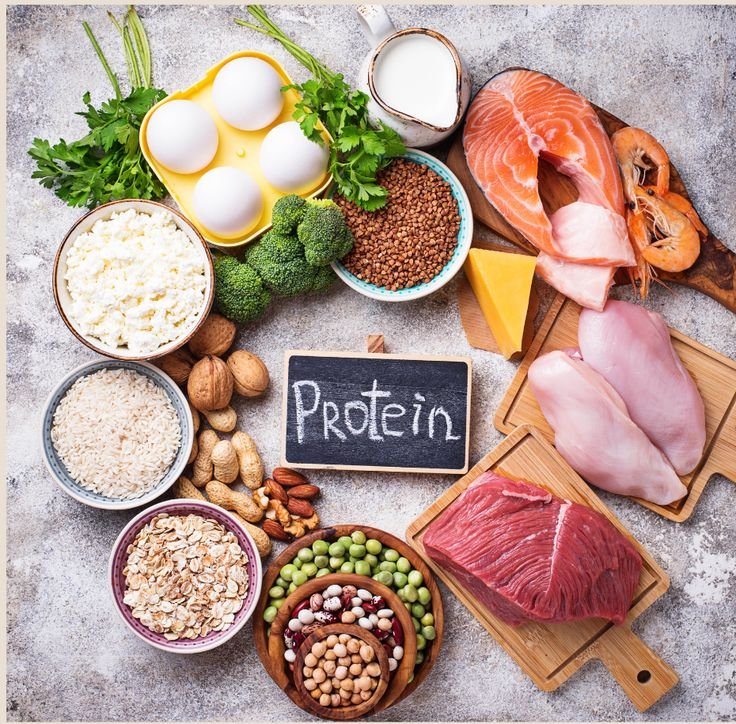
Understanding Protein and Its Importance
Protein is one of the fundamental macronutrients that play a vital role in the human body. It is made up of amino acids, which are the building blocks necessary for numerous biological processes. The body requires protein to perform essential functions, including repairing tissues, producing enzymes and hormones, and supporting immune function.
One of the most significant roles of protein is in muscle repair and growth. When we engage in physical activities, especially strength training, our muscle fibers undergo stress and sustain micro-tears. Protein helps to rebuild these fibers, facilitating recovery and muscle growth. This is particularly important for athletes and individuals involved in regular physical activity to maintain optimal strength and performance.
In addition to muscle repair, proteins are crucial for the synthesis of hormones, which are chemical messengers that regulate various bodily functions. For instance, insulin, which is critical for glucose metabolism, is a protein hormone. Hormonal balance is essential for overall health, highlighting the importance of adequate protein intake in the diet.
Moreover, proteins play a pivotal role in immune function. Antibodies, which are proteins produced by the immune system, help to identify and neutralize pathogens such as bacteria and viruses. A deficiency in protein can impair immune response, making the body more susceptible to infections and diseases.
Overall, incorporating sufficient protein into the diet is essential for maintaining health and supporting various bodily functions. It is important for individuals to understand their specific protein needs based on their activity levels, age, and health goals. By prioritizing protein as a part of a balanced diet, individuals can enhance their overall health and support their body’s necessary functions.
Animal-Based Protein Sources
Animal-based protein sources are integral to many diets, providing essential amino acids and other nutrients necessary for health. The most common options include meats, dairy products, and eggs, each with unique nutritional profiles and benefits.
Meat is a rich source of high-quality protein, which is critical for muscle maintenance and growth. Lean cuts of beef, chicken, and fish are particularly popular among omnivores and those following the paleo diet. For instance, chicken breast offers a low-fat option with a high protein content, making it favorable for those seeking to build muscle while minimizing fat intake. Fish, such as salmon and tuna, not only provide protein but are also abundant in omega-3 fatty acids, which are beneficial for heart health.
Dairy products represent another important category of animal-based protein sources. Items such as yogurt, cheese, and milk can be particularly useful, supplying not only protein but also calcium and vitamin D, which are crucial for bone health. Greek yogurt, for example, is notably higher in protein compared to regular yogurt and is ideal for those looking to increase their protein intake while enjoying a versatile food. For individuals who are lactose intolerant or follow a dairy-free lifestyle, there are many lactose-free or plant-based alternatives fortified with additional protein and nutrients.
Eggs are often regarded as one of the most complete protein sources available. Each egg contains around 6 grams of high-quality protein, along with essential vitamins and minerals, making them suitable for various diets. They are particularly favored in the paleo diet due to their nutrient density and versatility in various dishes. The egg white is an excellent source of protein, while the yolk contains many beneficial nutrients, including healthy fats.
In summary, whether one follows an omnivorous, paleo, or other dietary approaches, integrating animal-based protein sources can provide numerous health benefits, supporting overall nutritional needs while offering a variety of culinary options.
Plant-Based Protein Options
Plant-based protein sources are increasingly recognized for their vital role in a balanced diet, particularly for vegetarians and vegans. Legumes, nuts, seeds, and whole grains provide excellent protein options that not only support muscle maintenance and growth but also contribute essential nutrients. Including these protein sources in daily meals can enhance overall health and well-being.
Legumes, such as lentils, chickpeas, and beans, are among the most affordable and versatile plant-based protein sources. They are rich in fiber, which aids in digestion and promotes satiety. Incorporating legumes into soups, salads, or as a side dish can seamlessly enhance protein intake without compromising flavor. For example, a chickpea salad can serve as a refreshing meal while delivering substantial protein content.
Nuts and seeds also offer a concentrated source of protein, along with healthy fats and antioxidants. Almonds, chia seeds, and hemp seeds are particularly noteworthy for their nutrient profiles. Nut butters can be spread on whole-grain toast for breakfast, while seeds can be added to smoothies, yogurt, or cereals, providing both texture and protein boost.
Whole grains like quinoa, farro, and brown rice are not only rich in carbohydrates but also in protein. Quinoa, often referred to as a superfood, contains all nine essential amino acids, making it a complete protein source. It can be served as a base for grain bowls, combined with vegetables and legumes for a well-rounded meal.
Incorporating a variety of these plant-based protein sources into one’s diet not only supports sustainable eating habits but also ensures adequate nutrient intake. By experimenting with different recipes and meal combinations, individuals can enjoy flavorful dishes while meeting their protein needs effectively.
Choosing the Right Protein for Your Diet
When selecting the appropriate protein sources for your diet, it is essential to consider individual dietary needs, restrictions, and health goals. This careful selection process will not only help in achieving nutritional balance but will also enhance overall well-being.
First, consider the type of diet you are following. Whether it is a vegetarian, vegan, or omnivorous diet, each has unique protein sources. For instance, vegetarians can obtain protein from legumes, nuts, seeds, and dairy products, while vegans might rely on plant-based proteins such as tofu, tempeh, and quinoa. Omnivores have the advantage of consuming animal proteins, such as meat, fish, and dairy, along with plant-based options. Understanding your dietary preferences will help you in making informed choices.
Furthermore, dietary restrictions play a significant role in determining suitable protein sources. Individuals with lactose intolerance may need to avoid dairy or choose lactose-free protein options, while those with celiac disease must steer clear of gluten-containing grains. It’s important to identify any allergies or intolerances, as these can limit protein options.
When focusing on health goals, consider factors like muscle gain, weight loss, or maintenance. For muscle gain, protein-rich foods such as chicken, eggs, and Greek yogurt are beneficial, while those aiming for weight loss might favor lean proteins and high-quality plant sources that are low in calories. Balancing protein intake throughout the day is also crucial—distributing protein across meals can foster muscle recovery and maintain satiety.
Lastly, ensure that your protein sources are varied. Incorporating a range of protein types—both animal and plant-based—can provide essential amino acids and other nutrients necessary for optimal health. By prioritizing variety and quality in your protein selection, you can support your specific dietary needs while promoting a balanced and nutritious diet.