
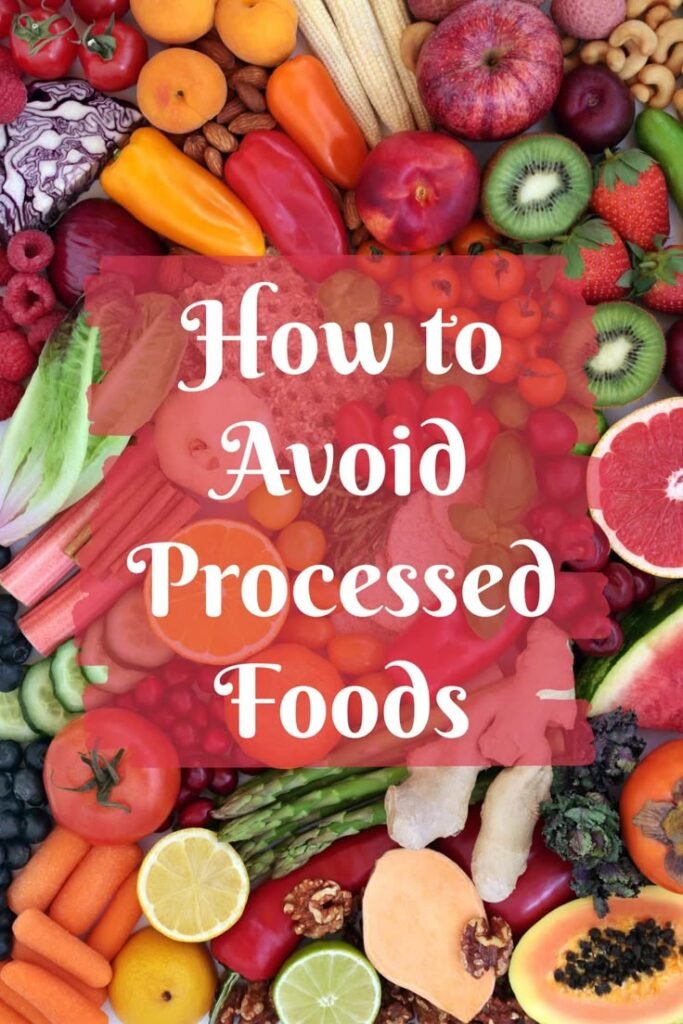
Understanding Processed Foods
Processed foods are defined as any food that has been altered from its original form for safety or convenience reasons. This alteration includes methods such as canning, freezing, baking, or dehydration. Within this broad category, we find several classifications of processed foods: whole, minimally processed, and ultra-processed foods. Whole foods include items such as fruits and vegetables that are consumed in their natural state. Minimally processed foods retain most of their natural characteristics, like frozen vegetables or natural yogurt, but may have undergone simple processes such as washing and packaging.
On the other end of the spectrum are ultra-processed foods, which are significantly modified and typically contain ingredients not found in a typical home kitchen. These foods often include additives like preservatives, artificial flavors, sweeteners, and emulsifiers, which serve to enhance flavor, shelf life, and appearance. Common examples of ultra-processed foods are sugary beverages, packaged snacks, instant noodles, and ready-to-eat meals.
The health implications of consuming excessive amounts of processed foods are a growing concern among nutritionists and health professionals. Research indicates a strong correlation between high intake of ultra-processed foods and an increased risk of chronic diseases such as obesity, diabetes, and cardiovascular diseases. These food products generally lack essential nutrients, leading to poor nutritional outcomes and contributing to overeating due to their addictive nature. Moreover, the high levels of sugar, fat, and salt often present in ultra-processed foods can negatively impact overall health. To maintain a balanced diet, reducing the consumption of these processed options in favor of whole or minimally processed foods can be beneficial.
Benefits of Reducing Processed Foods
In recent years, there has been growing awareness about the importance of dietary choices and their impact on health. Reducing processed foods in one’s diet can lead to numerous health benefits. One of the primary advantages is improved nutrition. Whole foods, which include fruits, vegetables, whole grains, and lean proteins, are loaded with essential vitamins, minerals, and antioxidants. By focusing on these natural ingredients, individuals can improve their nutrient intake significantly compared to diets dominated by processed foods.
Another benefit of minimizing processed food consumption is better digestion. Processed foods often contain additives and preservatives that can disrupt gut health. Whole foods, on the other hand, are typically rich in dietary fiber, which aids in digestion and promotes a healthy gut microbiome. Improved digestion not only leads to more efficient nutrient absorption but can also alleviate common issues such as bloating and constipation.
Weight management is another significant benefit of limiting processed foods. Many processed options are high in calories, unhealthy fats, and added sugars, which can contribute to weight gain. Conversely, whole foods can be more satiating and provide energy without the excess calories. As such, individuals who embrace a diet rich in whole foods often find it easier to maintain a healthy weight.
Lastly, many people who cut down on processed foods report experiencing enhanced energy levels. Whole foods provide a steady release of energy, unlike processed options that may lead to energy spikes followed by crashes. This sustained energy can lead to improved physical performance and better overall day-to-day functioning.
By prioritizing whole foods over processed options, individuals can experience a multitude of positive health effects, including improved nutrition, better digestion, effective weight management, and increased vitality. These benefits contribute to overall well-being and promote a healthier lifestyle overall.
Practical Tips for Transitioning to Whole Foods
Reducing processed foods from your diet can seem daunting, but with practical strategies, it is entirely achievable. One of the first steps is meal planning. Take the time each week to outline the meals you want to prepare, focusing on fresh, whole ingredients. This allows for better control over what is consumed and helps eliminate the impulse to choose convenience foods.
Accompanying your meal planning, creating a shopping list is essential. When drafting your list, prioritize whole foods such as fruits, vegetables, whole grains, lean proteins, and healthy fats. By concentrating on these items, you minimize the chance of adding processed snacks and meals to your cart. Shopping the perimeter of the grocery store, where most fresh produce and whole foods are located, can also help streamline your purchases.
Cooking at home is another effective strategy for incorporating more whole foods into your meals. Preparing your dishes from scratch grants you full control over the ingredients. Experimenting with different recipes that emphasize whole food ingredients can spark your culinary creativity and ensure your meals are both nutritious and satisfying.
As you transition, it’s crucial to pay attention to food labels. When purchasing packaged items, look for those with fewer ingredients and avoid products that contain preservatives, artificial additives, or excessive amounts of sugar and salt. Understanding what goes into your food will help in making informed choices that align with your goal of reducing processed foods. By gradually implementing these tips into your daily routine, you can successfully shift to a diet rich in whole food nutrients, leading to enhanced overall health.
Overcoming Challenges and Staying Motivated
Reducing processed foods from one’s diet can present several challenges that individuals must navigate to achieve their health goals. One of the primary difficulties people face is managing cravings for heavily accented flavors found in many processed items. These cravings can be intensified by the body’s adaptation to high sugar and salt levels, commonly present in such foods. To combat these urges, individuals can focus on gradually replacing processed foods with whole food alternatives. This transition enables the palate to adapt and appreciate the natural flavors of fruits, vegetables, and whole grains.
Another significant hurdle occurs during social situations where processed foods may dominate menus, such as at parties or family gatherings. Individuals can prepare by bringing their own healthy snacks or opting for dishes that can be modified or enhanced with healthier ingredients. Communicating dietary goals with friends and family can also foster a supportive environment, encouraging others to consider healthier options during shared meals.
Convenience often plays a crucial role in dietary choices. Processed foods frequently win over whole foods due to their quick preparation. To overcome this, establishing a meal-prepping routine can be beneficial. Setting aside a specific time each week to prepare meals and snacks in advance ensures that healthy, whole food options are readily available for busy days. This dedication can reduce the temptation to rely on quick, processed alternatives when time is tight.
Moreover, seeking support from like-minded individuals through groups or online forums can provide motivation and accountability. Engaging with communities focused on reducing processed foods continues to inspire individuals by sharing experiences and strategies. Tracking progress, whether through journaling or using mobile apps, can also enhance commitment to healthier eating habits. These collective strategies not only make the transition more manageable but can also reinforce the commitment to a healthier lifestyle.