
Introduction to Skin Health
Skin health is a vital component of overall well-being, playing a multifaceted role in our physical appearance and self-esteem. The skin serves as the body’s largest organ, acting as a protective barrier against external elements, regulating temperature, and facilitating the sensation of touch. Consequently, maintaining healthy skin is essential not only for its aesthetic appeal but also for its fundamental functions.
Nutrition is a key player in the health of our skin. The foods we consume can significantly impact our skin’s structure, hydration, and appearance. A diet rich in essential vitamins, minerals, and antioxidants contributes to skin vitality and radiance. For instance, vitamins C and E are known for their protective effects against oxidative stress, which can lead to premature aging and other skin conditions. Furthermore, fatty acids, particularly omega-3, support the skin’s lipid barrier, promoting hydration and reducing inflammation.
Incorporating a variety of nourishing foods into one’s diet not only enhances skin health but also fosters a natural glow, reflecting healthy habits and lifestyle choices. Foods rich in antioxidants—such as berries, nuts, and leafy greens—combat free radical damage, while hydrating foods like cucumbers and watermelon support skin moisture. Moreover, the impact of proper hydration cannot be overstated; drinking sufficient water throughout the day ensures that the skin remains supple and resilient.
As we delve deeper into specific foods beneficial for skin health, it is crucial to recognize that what we eat has direct implications for our skin’s integrity and beauty. By understanding the relationship between nutrition and skin health, individuals can make informed dietary choices that promote a glowing complexion and overall physical well-being.
Top Nutrients for Skin Vitality
Maintaining radiant skin involves a balanced intake of essential nutrients that play crucial roles in skin health. Among the most vital contributors are vitamins and minerals that support various skin functions. Understanding these nutrients can help individuals make better dietary choices for optimal skin vitality.
One of the most well-known nutrients for skin health is Vitamin C. This powerful antioxidant is essential for collagen synthesis, which helps maintain skin elasticity and firmness. Additionally, Vitamin C protects the skin from damage caused by free radicals, aiding in the prevention of premature aging. Foods rich in Vitamin C include citrus fruits, strawberries, bell peppers, and broccoli.
Vitamin E is another key nutrient that supports skin vitality. It is a fat-soluble antioxidant that helps protect skin cells from oxidative damage. Vitamin E also aids in moisture retention, making the skin feel softer and more supple. Foods such as nuts, seeds, and green leafy vegetables are excellent sources of Vitamin E and contribute significantly to a healthy skin barrier.
Omega-3 fatty acids are essential fats that have been shown to enhance skin health by maintaining the skin barrier and reducing inflammation. They help to keep the skin hydrated and can alleviate conditions such as acne and psoriasis. Fatty fish, flaxseeds, and walnuts are rich in Omega-3s, making them excellent dietary additions for those looking to improve their skin condition.
Additionally, antioxidants such as selenium play a vital role in skin protection. Selenium helps combat oxidative stress and may reduce the risk of skin cancer. It can be found in foods like Brazil nuts, seafood, and whole grains. Incorporating a variety of these nutrients into one’s diet can significantly enhance skin vitality, promoting a healthier and more radiant complexion.
Foods to Incorporate for a Glowing Complexion
Achieving a radiant complexion often begins with incorporating specific foods known for their skin-nourishing properties. A balanced diet rich in fruits, vegetables, nuts, and seeds can significantly enhance skin health and appearance.
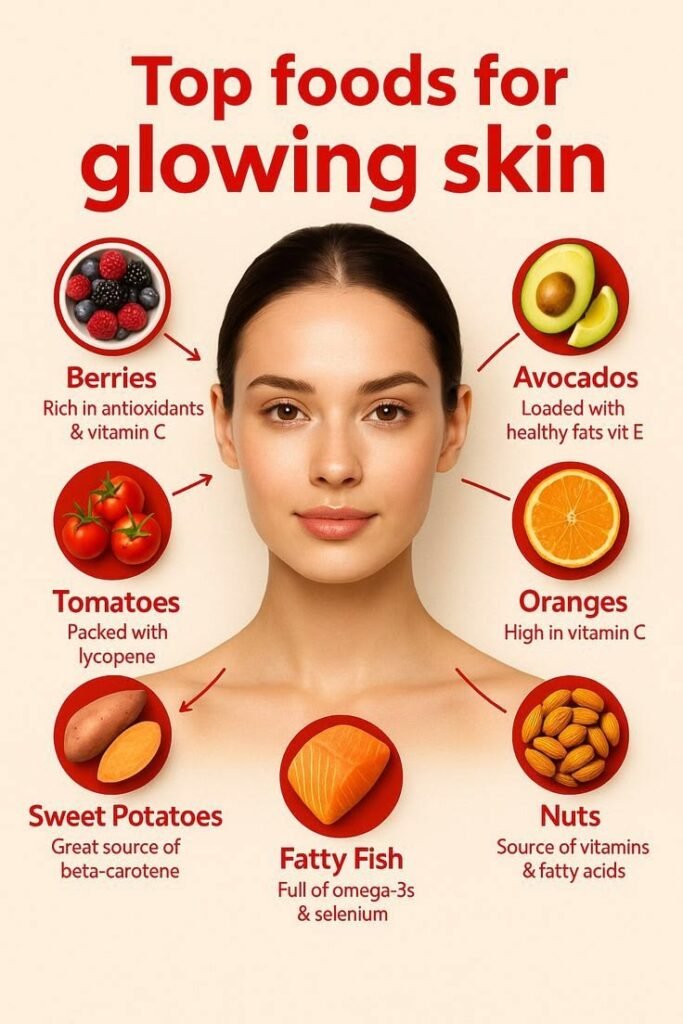
Fruits are a primary food group that contributes to glowing skin. Berries, such as blueberries, strawberries, and blackberries, are particularly beneficial due to their high antioxidant content, which helps combat skin damage from free radicals. Citrus fruits, including oranges and grapefruits, provide an abundance of vitamin C, crucial for collagen production and maintaining skin elasticity.
In addition to fruits, an array of vegetables can play a vital role in skin health. Leafy greens like spinach and kale are rich in vitamins A, C, and K, which promote skin repair and regeneration. Carrots, high in beta-carotene, can help protect against sun damage while also improving skin tone. Tomatoes, known for their lycopene content, can aid in reducing redness and enhancing skin texture.
Nuts and seeds are another essential category for maintaining a healthy complexion. Walnuts and almonds are packed with omega-3 and omega-6 fatty acids, both of which are beneficial for skin hydration and elasticity. Moreover, sunflower seeds are an excellent source of vitamin E, a powerful antioxidant that supports skin health and protects against premature aging.
Fatty fish, such as salmon and mackerel, provide essential fatty acids and vitamin D, which are crucial for skin barrier function. These healthy fats help keep the skin moisturized and vibrant while also reducing inflammation.
Incorporating a variety of these foods into the daily diet not only nourishes the skin from within but also contributes to an overall healthy lifestyle. By focusing on a colorful array of fruits and vegetables, along with nutritious fats from nuts, seeds, and fish, one can work towards achieving that much-desired glowing complexion.
Lifestyle Tips for Holistic Skin Care
When it comes to achieving and maintaining radiant skin, a holistic approach is essential. While nourishing foods undoubtedly play a significant role, it is equally important to consider other lifestyle factors that contribute to overall skin health. This section will explore several lifestyle tips that can enhance the benefits of a healthy diet.
First and foremost, hydration is a cornerstone of skin health. Drinking ample water throughout the day encourages skin elasticity and helps to flush out toxins. It is recommended to consume at least eight glasses of water daily, but this may vary based on individual needs. Keeping the skin moisturized not only provides a protective barrier but also aids in the absorption of nutrients from food.
In addition to hydration, adequate sleep is crucial for rejuvenating the skin. Sleep allows the body to repair and regenerate cells. Experts generally advise aiming for 7 to 9 hours of quality sleep each night, which can significantly improve the skin’s appearance and reduce the likelihood of breakouts. During sleep, blood flow to the skin increases, contributing to a healthy glow.
Stress management is another vital aspect of maintaining skin health. High-stress levels can lead to hormonal imbalances, which may manifest as skin issues like acne or eczema. Engaging in stress-reducing activities, such as yoga, meditation, or simply spending time in nature, can have profound effects on the skin’s condition.
Moreover, incorporating a consistent skincare routine tailored to individual skin types can complement nutritional choices. Cleansing, exfoliating, and moisturizing should be part of this regimen to ensure that the skin remains clean and well-nourished from both inside and out.
Lastly, protecting the skin from environmental damage is crucial. Using sunscreen daily helps guard against the harmful effects of UV rays, which can accelerate aging and contribute to various skin problems. Together, these lifestyle factors not only support a healthy diet but create a synergistic effect that promotes vibrant and healthy skin.