
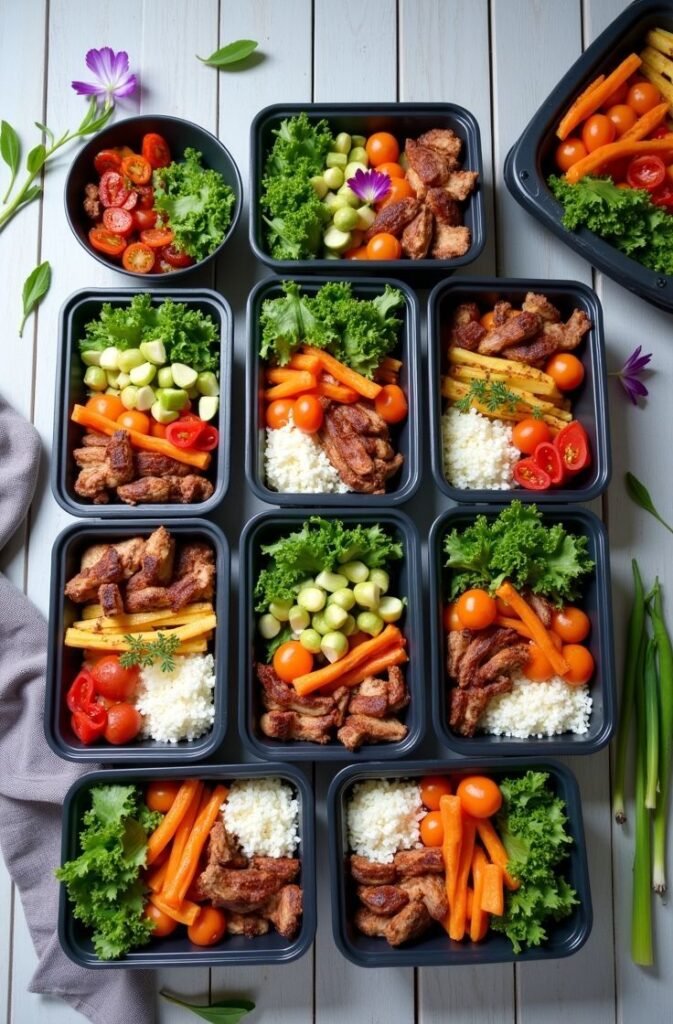
Understanding Meal Prep Basics
Meal preparation, commonly referred to as meal prep, involves the process of planning and preparing multiple meals in advance, allowing individuals to carry out a streamlined approach to their daily nutrition. For beginners, understanding the fundamentals of meal prep is essential, as it lays the groundwork for healthier eating habits and efficient time management in the kitchen.
The concept of meal prepping is built on the foundation of foresight and organization. By dedicating some time each week to plan meals, individuals can ensure that they have nutritious options readily available, which reduces the temptation to opt for unhealthy fast food alternatives. Preparing meals ahead of time facilitates balanced eating, as it allows for careful selection of ingredients, ensuring that the meals are well-rounded and tailored to dietary needs.
One of the primary benefits of meal prep is the significant time savings it provides. By preparing meals in bulk, an individual can minimize the time spent cooking during busy weekdays. Instead of cooking from scratch every day, which can be extremely time-consuming, meal prepping enables one to simply reheat and enjoy pre-made meals. This efficiency assists in maintaining a consistent meal routine and promotes discipline in dietary habits.
Additionally, meal prep contributes to financially sound decisions. By planning meals and purchasing ingredients in bulk, individuals can reduce food waste and minimize grocery expenses. This planning encourages mindful eating and often leads to healthier choices, as it is easier to incorporate fresh vegetables and whole foods when one has the foresight to plan ahead.
In summary, meal preparation is a practical strategy that aids individuals in achieving their nutritional goals while saving time and money. For beginners, grasping the basics of meal prep will empower them to make healthier eating choices and establish a sustainable approach to meal planning.
Essential Tools and Equipment for Meal Prep
Effective meal preparation relies on having the right kitchen tools and equipment at your disposal. The essential tools you choose can significantly enhance the efficiency of your cooking process and ultimately set you up for success in your culinary endeavors.
One of the most critical items to invest in is a good set of kitchen knives. A sharp chef’s knife is versatile for a range of tasks, from dicing vegetables to slicing proteins. Pairing it with a sturdy cutting board, preferably made of wood or plastic, can provide a safe and reliable surface for food prep, making cutting, chopping, and mincing more manageable.
Another essential component of meal prep is storage containers. These are vital for keeping prepped ingredients fresh and organized. Look for airtight containers in various sizes to accommodate different types of food. Glass containers are particularly recommended because they are durable, microwave-safe, and do not retain odors as plastic ones can.
Measuring cups and spoons are indispensable tools that ensure you achieve the right proportions in your recipes, which is particularly important when scaling up meals for larger gatherings. Having a digital kitchen scale can further enhance accuracy, especially for baking, where precision is crucial.
In addition to these basics, consider investing in a good-quality blender. Blenders are incredibly useful for making sauces, smoothies, and soups, and they can simplify various aspects of meal preparation significantly. Finally, gadgets like food processors can save time by chopping, shredding, and mixing ingredients quickly.
With these essential tools and equipment, you can create a well-organized kitchen environment that supports efficient meal preparation. Each tool plays a specific role, contributing to a smoother workflow, enabling you to focus more on cooking delicious and nutritious meals.
Creating a Meal Prep Plan
Designing an effective meal prep plan is essential for beginners who wish to streamline their cooking process and maintain healthy eating habits. The first step in creating a meal prep plan is to choose meals that not only align with your dietary preferences but also make the best use of your time and resources. Select recipes that feature ingredients you enjoy and that can be easily prepared in bulk. Consider meals that can be varied with different spices and sauces to avoid monotony.
Next, it is important to be mindful of any specific dietary needs or restrictions when planning your meals. This might include vegetarian, gluten-free, or low-calorie options. By taking these preferences into account, you can ensure that your meal prep plan is enjoyable and sustainable in the long run.
Planning for grocery shopping is a crucial aspect of the meal preparation process. Once you have selected your desired meals, create a detailed shopping list that includes all the necessary ingredients. This not only saves time and money but also minimizes impulse purchases. Grouping items on your list by category, such as produce, grains, and proteins, can make your shopping experience more efficient.
Lastly, setting a weekly schedule for meal prepping will help establish a routine that works for you. Designate a specific day of the week, perhaps on the weekend, when you will dedicate time to cooking and assembling your meals. Preparing food in batches allows for easy access to nutritious meals throughout the week while reducing the stress of daily cooking. By following these guidelines, beginners can create a practical meal prep plan that fits their lifestyle and dietary needs, ultimately leading to healthier eating habits.
Tips and Tricks for Successful Meal Prep
Meal preparation can seem daunting, especially for beginners, but with the right techniques, it can transform your cooking habits into a more efficient and enjoyable process. One of the essential tips is to plan your meals ahead of time. Create a meal plan for the week, outlining what you will eat each day. This not only saves time but also helps in balancing flavors and nutrients. Consider incorporating a variety of proteins, carbohydrates, and vegetables to create balanced meals that cater to your dietary needs.
Another useful strategy is to batch-cook your meals. Allocate a specific day of the week to prepare large quantities of food that can be stored in individual portions. This approach reduces cooking time on busy days and ensures that healthy meals are readily available. When cooking in bulk, use versatile recipes that can easily be transformed with different spices or sauces to keep your meals interesting throughout the week.
Additionally, proper storage of meals is crucial for maintaining freshness and flavor. Invest in quality airtight containers that are suitable for freezing and microwaving. Label each container with the date and contents to avoid confusion and ensure you consume meals while they are still at their best quality. It is also helpful to portion out meals according to your serving sizes to prevent overeating.
To make your meal prep process more enjoyable, create a pleasant cooking environment. Play your favorite music or podcasts while you cook to make the activity feel less like a chore. Consider inviting friends or family to join the cooking session, turning meal prep into a social activity rather than a solitary task. By following these tips and tricks, beginners can excel in meal prep, resulting in healthier eating habits and a more organized kitchen.