
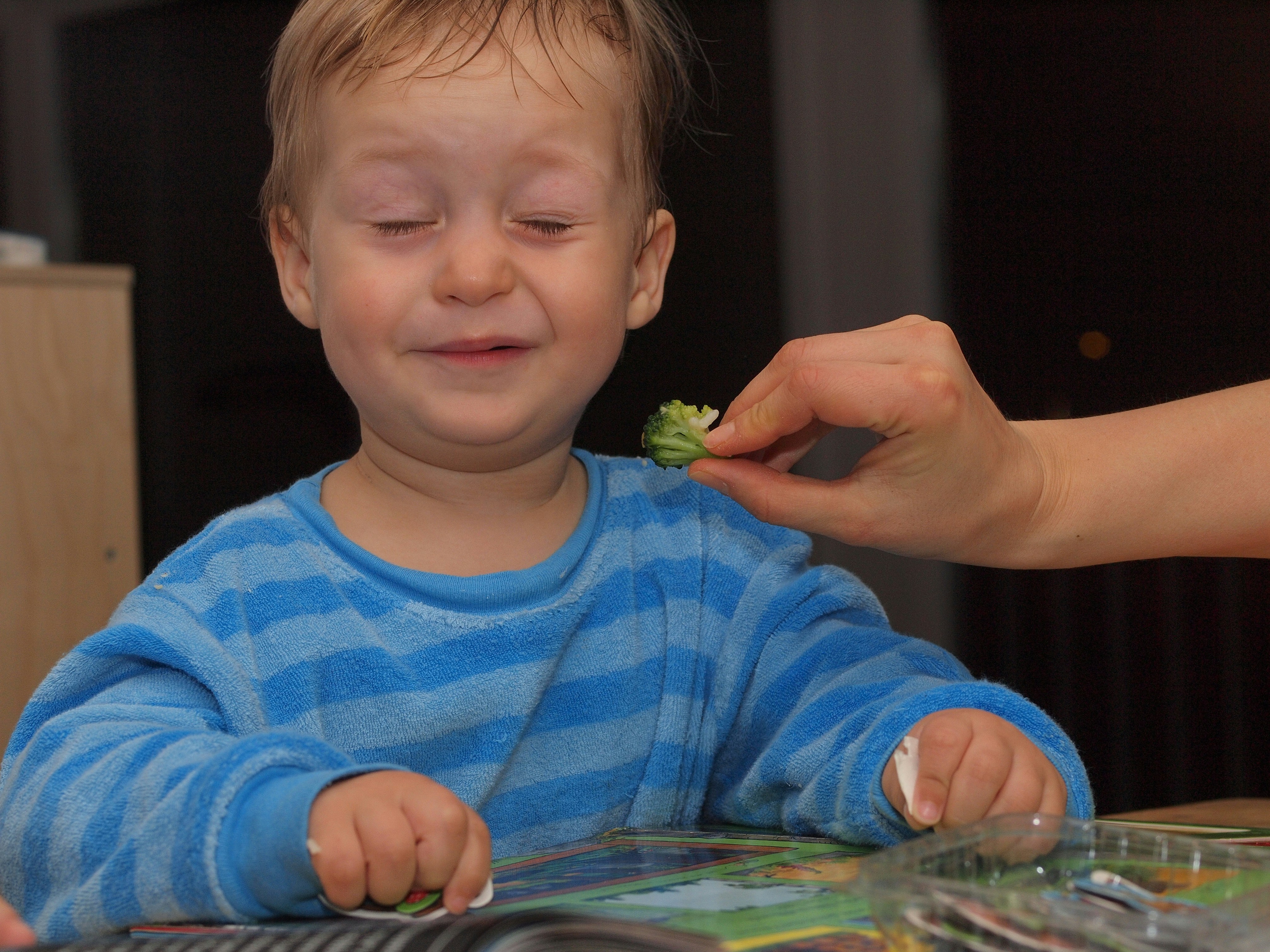
Understanding the Importance of Healthy Eating for Kids
Healthy eating is fundamental for children’s growth, development, and overall well-being. During childhood, a time of rapid growth and cognitive development, the right nutrition significantly influences not only physical health but also mental and emotional stability. A diet rich in fruits, vegetables, whole grains, and lean proteins provides essential nutrients that support these critical developmental milestones.
Thank you for reading this post, don't forget to subscribe!One of the most important aspects of healthy eating for kids is its effect on their energy levels. Nutrient-dense foods supply the energy necessary for children to thrive, aiding them in their daily activities, whether it be attending school or exploring outside with friends. When children consume a balanced diet, they typically experience higher energy levels, allowing for enhanced focus and participation in physical activities.
Furthermore, nutrition plays a vital role in cognitive function. Adequate intake of omega-3 fatty acids, vitamins, and minerals contributes to better memory retention, learning capacities, and overall brain function. For instance, studies have shown that children who indulge in a well-rounded diet exhibit improved academic performance and cognitive skills, granting them an advantage in their educational pursuits.
Additionally, healthy eating habits can correlate with emotional stability. A balanced diet is linked to reduced incidences of anxiety and depression in children. Providing nutritious meals can improve mood and behavioral patterns, establishing a strong foundation for psychological well-being.
Despite the many benefits of a nutritious diet, misconceptions regarding children’s food preferences often arise. Many parents believe that children will naturally gravitate towards unhealthy food options. However, early introduction to a variety of healthy foods can reshape their tastes and preferences, fostering a lifelong appreciation for nutritious eating.
Establishing healthy eating habits from an early age is paramount. By encouraging kids to make nutritious choices, families can instill an understanding of the significance of healthy eating, promoting a healthier lifestyle that lasts well into adulthood.
Creating a Healthy Food Environment at Home
Establishing a healthy food environment at home is essential for promoting nutritious eating habits in children. This environment influences children’s choices and perceptions about food, making it crucial to create spaces that encourage the consumption of healthy foods. One fundamental strategy is to stock your kitchen with nutritious snacks and ingredients. Keep fresh fruits, vegetables, nuts, and whole grains visible and accessible, while minimizing the presence of processed foods.
Meal planning plays a significant role in a healthy eating environment. By preparing meals in advance, parents can ensure that the family has access to balanced meals throughout the week. Involve children in this process by allowing them to help select recipes or contribute to the planning sessions. This involvement fosters a sense of ownership over their food choices and can enhance their willingness to try new foods.
Grocery shopping is another opportunity to cultivate healthy eating habits. Take your children grocery shopping and encourage them to help pick out fresh produce or whole food options. This not only makes the process educational but also empowers them to make better food choices. Teach them how to read food labels and understand the benefits of different foods. Showing your children how to choose nutritious options makes them active participants in their diet, reinforcing positive attitudes towards healthy eating.
In summary, creating a healthy food environment at home involves stocking nutritious snacks, planning meals, and engaging children in grocery shopping and meal preparation. By promoting a space rich in healthy choices, you can help prevent unhealthy eating habits and cultivate a lifelong appreciation for nutritious foods. An intentional approach to food availability is key to fostering a culture of health within the home.
Making Healthy Eating Fun and Engaging for Kids
One of the most effective ways to encourage children to develop a love for healthy eating is to make the experience enjoyable and interactive. By introducing creativity and fun into mealtimes, healthy foods can transform from being seen as a chore to eagerly anticipated treats. One approach is to create visually appealing dishes. Utilizing colorful fruits and vegetables can make the plate more inviting; for instance, arranging carrot sticks and cherry tomatoes to resemble a rainbow can enhance their appeal. Involving children in the presentation of their meals allows them to take ownership, making them more likely to eat what they’ve helped create.
Incorporating games during meal times can also provide an exciting twist. For example, consider hosting a “Build Your Own Bowl” night where children can assemble their own meals from various healthy options such as grains, proteins, and vegetables. This not only empowers them to make their own choices but also adds a playful element to the process. Encouraging children to make choices about their meals helps develop their autonomy while reinforcing the idea that healthy eating can be both fun and fulfilling.
Moreover, engaging children in cooking can serve as an educational opportunity. Allow them to participate in simple cooking tasks such as washing vegetables, stirring ingredients, or even creating their own healthy snacks. This hands-on experience fosters a sense of accomplishment and encourages a positive relationship with food. Additionally, consider introducing themed nights that revolve around different cuisines. This can be an exciting way for children to explore global flavors while discovering new foods.
By utilizing these creative strategies, parents can transform the perception of healthy eating in their children. Making healthy foods fun and engaging contributes to a positive attitude towards nutrition, ultimately fostering lifelong healthy habits.
Addressing Challenges and Overcoming Resistance to Healthy Foods
Introducing healthy foods to children can often prove challenging, especially in instances of picky eating and resistance to new flavors and textures. To foster healthy eating habits, parents must adopt a patient and persistent approach. Understanding the psychological aspects of food preferences is fundamental in this process. Children can develop aversions to certain foods for a variety of reasons, including texture, color, and previous experiences. Hence, it is essential for parents to present a wide range of healthy options, emphasizing variety and fun over mere compliance.
One effective strategy is to involve children in the meal preparation process. Allowing them to help pick out fruits and vegetables at the grocery store or participate in the cooking process can instill a sense of ownership and excitement toward trying new foods. This not only encourages healthy eating but also cultivates an opportunity for families to bond. Additionally, introducing new foods gradually can ease resistance. For instance, pairing unfamiliar items with familiar favorites can entice children to take that first important taste.
Redirecting mealtime conflicts requires open communication. Encourage discussions about food preferences in a non-confrontational manner, allowing children to express their likes and dislikes freely. Instead of insisting they try everything on their plate, parents can facilitate a positive dialogue surrounding food. For example, sharing why certain foods are beneficial for health can inspire children’s curiosity and willingness to experiment with new options. Using positive reinforcement, such as praising children when they try a new food, can also help reinforce healthy eating behaviors.
Ultimately, creating a relaxed and positive mealtime environment is key to overcoming resistance. Patience and support are crucial, as developing a fondness for healthy foods is a gradual process. By incorporating these strategies, parents can significantly enhance their children’s relationship with food, guiding them toward a lifelong appreciation for healthy eating.

