
The Connection Between Diet and Skin Health
The relationship between diet and skin health is both intricate and significant, as what we consume can profoundly impact the appearance and vitality of our skin. Nutrients found in our diet play a crucial role in maintaining skin health. Essential vitamins and minerals not only assist in repairing skin cells but also contribute to robust skin function.
Thank you for reading this post, don't forget to subscribe!For instance, vitamin C is vital for collagen synthesis, which helps maintain skin elasticity and firmness. Adequate levels of this vitamin can reduce the appearance of wrinkles and promote an even skin tone. Similarly, vitamin E acts as a powerful antioxidant that protects skin cells from oxidative stress caused by environmental factors such as pollution and UV radiation.
Moreover, omega-3 fatty acids, which are primarily found in fish and flaxseeds, nourish the skin by preserving its lipid barrier. This is pivotal in preventing dryness and maintaining hydration. A diet rich in these essential fatty acids can lead to a more supple and radiant complexion.
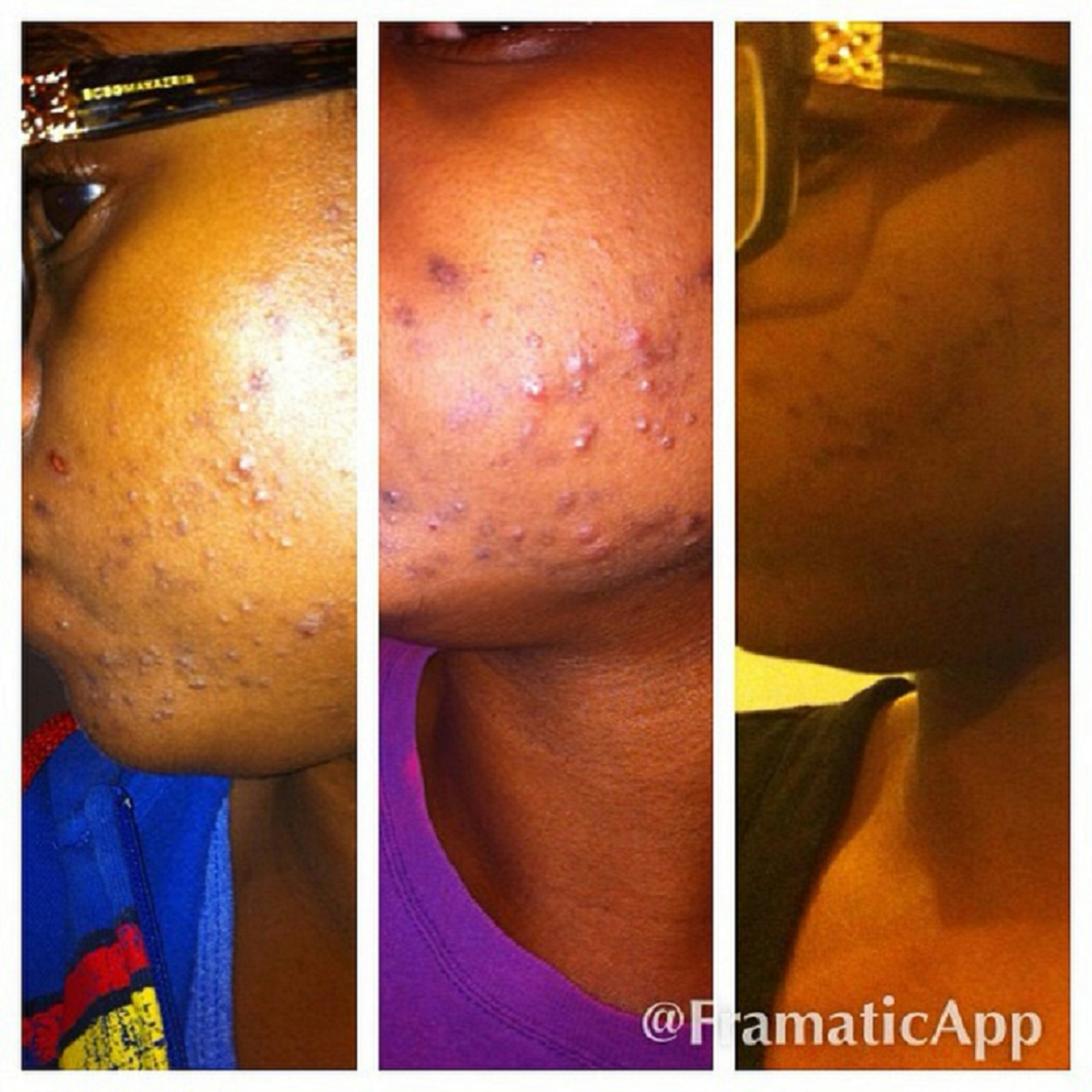
On the other hand, nutritional deficiencies can have adverse effects on skin health. For example, a lack of vitamin A may lead to skin dryness and increased susceptibility to acne, while inadequate levels of zinc, a mineral essential for skin repair, can exacerbate inflammatory skin conditions. Excessive intake of sugary foods and refined carbohydrates has been linked to a higher risk of developing acne. Such foods can trigger inflammation and increase oil production, leading to clogged pores and breakouts.
In conclusion, the connection between diet and skin health cannot be overstated. Integrating a balanced diet rich in vitamins, minerals, and healthy fats is essential for maintaining healthy, youthful skin, while avoiding imbalances can help mitigate common skin issues.
Foods That Promote Healthy Skin
The connection between diet and skin health is not merely anecdotal; science supports the idea that certain foods can greatly influence the appearance and vitality of your skin. Incorporating specific fruits, vegetables, nuts, seeds, and healthy fats can enhance skin texture, increase moisture levels, and improve overall aesthetics.
One of the most significant food groups to consider is fruits. Berries, particularly blueberries and strawberries, are rich in antioxidants that combat oxidative stress, helping to maintain youthful skin. Avocados, known for their healthy fats, promote hydration and elasticity due to their high levels of vitamin E. Vitamin E is essential for skin health as it protects against UV damage and supports overall skin maintenance.
Vegetables such as spinach and kale are also vital due to their high concentrations of vitamins and minerals. These leafy greens provide vitamin A, which is critical for repairing skin tissue and enhances the skin’s appearance by facilitating cell turnover. Incorporating a mixed salad with colorful vegetables can significantly benefit your skin.
Nuts and seeds, particularly walnuts and flaxseeds, boast high levels of omega-3 fatty acids. These fatty acids support the skin’s lipid barrier, improving moisture retention and reducing inflammation. A simple way to include these nutrient-dense options is by adding a handful of nuts to your morning oatmeal or blending flaxseeds into your smoothies.
Healthy fats, such as those found in olive oil and fatty fish like salmon, are also essential. They not only nourish the skin from within but also have anti-inflammatory properties. Using olive oil as a dressing for salads or grilling salmon can be delectable ways to enhance your meals while promoting skin health.
In summary, a diet rich in fruits, vegetables, nuts, seeds, and healthy fats creates a solid foundation for healthier skin. Exploring various recipes that integrate these elements can yield delicious meals that contribute positively to your skin’s vitality.
Foods to Avoid for Better Skin
The appearance and health of our skin can often be a reflection of our dietary choices. Certain foods, particularly those that are high in sugars, unhealthy fats, and processed ingredients, can significantly detract from skin vitality. High-sugar foods, such as candies and sugary beverages, can lead to spikes in insulin levels, which may trigger inflammation and exacerbate skin conditions like acne and eczema. This inflammatory response not only results in breakouts but can also contribute to more serious skin issues over time.
Unhealthy fats, particularly trans fats and saturated fats found in fried foods and fast food, can have similar detrimental effects on the skin. These fats can lead to the clogging of pores and an increase in oil production, setting the stage for acnes and dullness. Furthermore, processed foods often contain additives, preservatives, and artificial ingredients that can disrupt the skin’s natural balance, leading to irritation and dryness.
To enhance skin health, it is advisable to limit the intake of these foods. Start by replacing sugary snacks with more wholesome options, such as fruits and nuts, which provide essential vitamins and antioxidants. Additionally, opt for cooking methods that involve baking, steaming, or grilling rather than frying. Incorporating whole grains and lean proteins can also improve your overall skin health.
Reading food labels can be an effective strategy to identify and reduce processed ingredients in your diet. This may include being vigilant with meals that contain added sugars and unhealthy fats. Preparing meals at home allows for better control over what goes into your food, supporting both healthier skin and overall wellness.
Real-Life Studies and Evidence
Scientific studies have increasingly highlighted the connection between dietary habits and skin health, providing compelling evidence of how what we consume impacts our dermal appearance and conditions. A significant study published in the Journal of Investigative Dermatology revealed that individuals who adopted a low-glycemic diet observed an improvement in acne severity. The researchers noted that lower glycemic index foods help stabilize insulin levels, which in turn modulates the production of sebum, reducing acne flare-ups.
Another influential study from the American Journal of Clinical Nutrition found a marked improvement in participants suffering from eczema after adhering to an elimination diet that removed common allergens such as dairy and gluten. Participants reported fewer flare-ups and a better overall skin texture, reinforcing the idea that certain dietary components can exacerbate skin conditions.
Furthermore, observational studies have indicated that diets rich in antioxidants, vitamins, and minerals significantly contribute to healthier skin. A prominent dermatologist, Dr. Jane Smith, emphasizes that “antioxidants in fruits and vegetables help combat oxidative stress, which can age the skin prematurely. Incorporating these into your diet may not only support skin health but can also rejuvenate its appearance.””>
Nutritionists have also echoed these sentiments. Renowned nutritionist, Dr. Emily Chang, explains that diets high in Omega-3 fatty acids, found in foods like fish and flaxseeds, can alleviate inflammation, which is beneficial for conditions like psoriasis and rosacea. Her research highlights how dietary modifications can serve as a complementary approach to traditional skincare treatments, paving the way for comprehensive wellness.
Overall, accumulating evidence from various studies and expert opinions substantiates the premise that dietary choices significantly influence skin health, providing an effective pathway for individuals striving for improved skin viability.

