
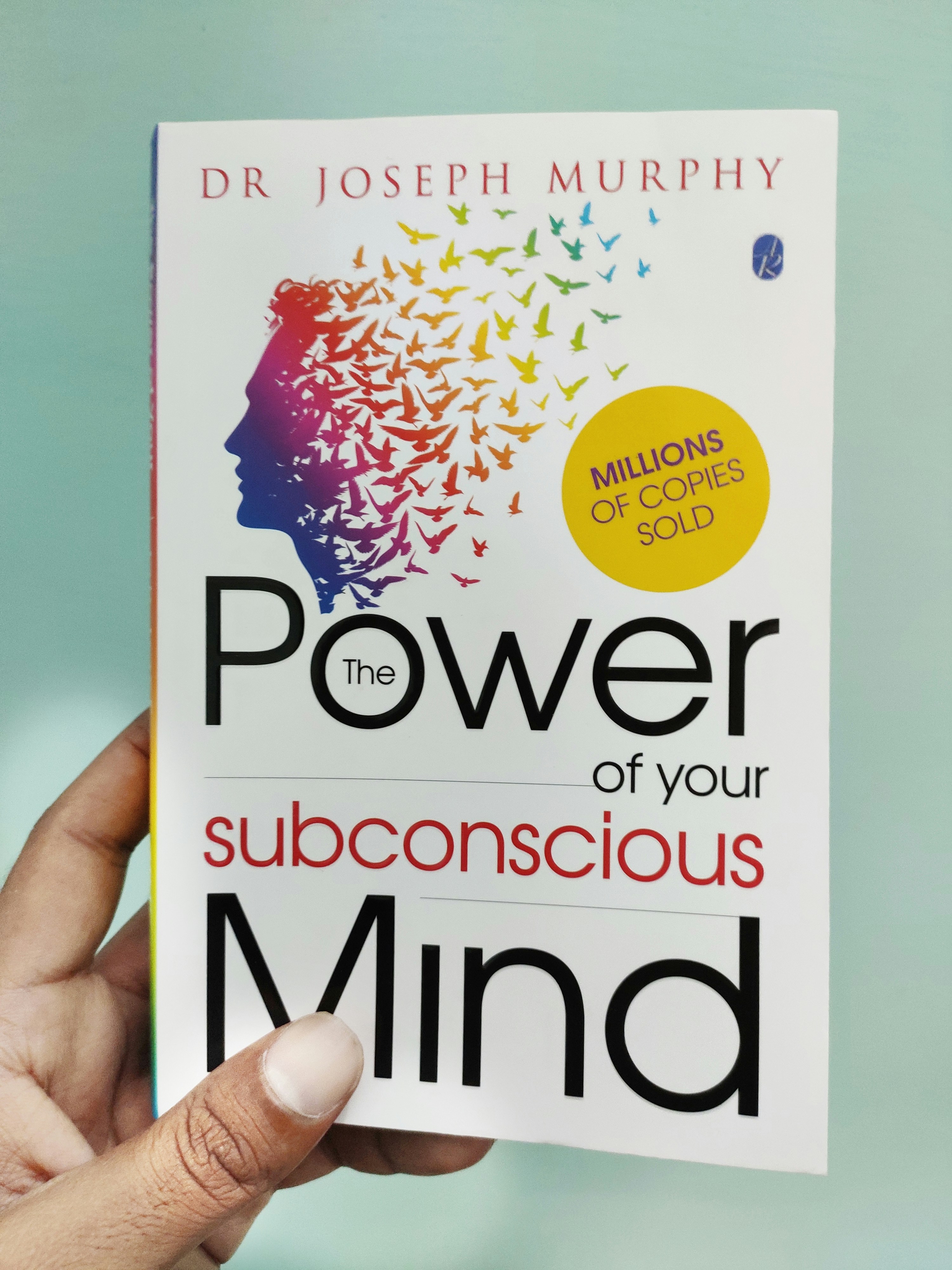
Understanding the Mind-Body Connection
The mind-body connection is a complex and multifaceted relationship describing how our mental and emotional states can influence our physical health. This concept stems from a rich field of study that recognizes the intricate interactions between psychological factors and bodily functions. Numerous research studies have substantiated this connection, revealing how thoughts and emotions can translate into tangible physiological effects.
Thank you for reading this post, don't forget to subscribe!One significant area of research is psychoneuroimmunology, which explores how the brain, nervous system, and immune system interact. Findings suggest that chronic stress can lead to a weakened immune response, increasing susceptibility to illness. For instance, individuals with high levels of stress may experience heightened inflammation, which can be linked to various health issues such as cardiovascular diseases and autoimmune disorders. Additionally, studies have indicated that positive mental states, such as optimism and resilience, can promote better health outcomes.
Moreover, the role of emotions in physical health is evident in psychosomatic medicine, where psychological factors manifest as physical symptoms. For example, anxiety can produce gastrointestinal disturbances, while depression may lead to chronic pain syndromes. These manifestations demonstrate that the mind is not separate from the body; rather, they are deeply interconnected systems. The theory of embodied cognition further supports this idea, suggesting that our cognitive processes are influenced by our physical states and vice versa.
In conclusion, understanding the mind-body connection highlights the importance of addressing mental health as a vital component of overall well-being. By acknowledging the significant influence that thoughts and emotions exert on physical health, individuals and healthcare providers can adopt a more holistic approach to treatment and health maintenance. Recognizing this interplay fosters a greater awareness of how nurturing our mental health can lead to improved physical health outcomes.
The Role of Stress and Anxiety
Stress and anxiety are common mental states that can profoundly influence overall health, manifesting in various physiological responses within the body. When an individual encounters a stressful scenario, the body reacts by triggering a “fight or flight” response, which leads to an increase in heart rate, blood pressure, and the release of stress hormones such as cortisol and adrenaline. These physiological changes are natural; however, when stress and anxiety become chronic, they can lead to serious health issues.
Chronic stress, characterized by prolonged exposure to stressors, has been linked to a variety of health problems, including hypertension, diabetes, and heart disease. In cases of sustained anxiety, the body remains in a heightened state of alertness, which ultimately may weaken the immune system, making one more susceptible to illnesses and infections. Therefore, managing stress and anxiety is crucial for both mental and physical well-being.
To mitigate these negative effects, individuals can adopt several effective strategies. Engaging in mindfulness practices, such as meditation or yoga, can help cultivate a state of relaxation, thereby alleviating the feelings of anxiety and stress. Regular physical activity is another beneficial approach, as it promotes the release of endorphins, which enhance mood and reduce stress levels. Additionally, establishing a robust support network can provide emotional comfort and guidance during challenging times, further contributing to stress reduction.
It is important to recognize that the mind-body connection plays a pivotal role in health outcomes. By effectively managing stress and anxiety, individuals can not only improve their emotional well-being but also enhance their physical health, making it essential for a comprehensive approach to health management.
Positive Thinking and Health Benefits
The concept of positive thinking has garnered significant attention in recent years, particularly in relation to physical health. Research suggests that an optimistic mindset can lead to numerous health benefits, including enhanced immune function and improved recovery times. Individuals who cultivate a positive outlook are often better equipped to handle stress and its associated physical effects, creating a less hostile environment within the body.
Several studies have indicated that people with a habit of positive thinking are less likely to suffer from chronic conditions such as heart disease and may even enjoy an extended lifespan compared to their pessimistic counterparts. An optimistic perspective can facilitate better lifestyle choices, including increased physical activity and healthier eating, which directly correlate with overall well-being.
Practices such as gratitude exercises, mindfulness, and visualization techniques can promote a more positive mindset. Gratitude, in particular, encourages individuals to focus on the positive aspects of their lives, thereby reducing feelings of dissatisfaction and helplessness. Engaging in mindfulness activities allows one to become more aware of their thoughts, fostering a balance between positive and negative emotions. Visualization techniques enable individuals to imagine favorable outcomes, which can enhance motivation and decrease anxiety.
It is essential to emphasize that while positive thinking is beneficial, it does not imply ignoring the reality of challenges or hardships. Rather, it encourages a balanced approach, enabling individuals to face difficulties with resilience. By adopting a strategy that incorporates a positive outlook along with realistic assessments of situations, individuals can significantly improve their mental and physical health. Thus, nurturing a positive mindset can be a powerful tool in promoting holistic well-being.
Practical Applications and Techniques for Enhancing the Mind-Body Connection
The mind-body connection plays a crucial role in overall health and well-being. Integrating practical techniques into daily life can significantly enhance this connection, promoting holistic wellness. One effective method is meditation, which encourages mindfulness and allows individuals to focus on their thoughts and emotions. Regular meditation practice not only reduces stress but also improves mental clarity and emotional stability. Beginners might start with guided meditations and gradually increase their session lengths as they become more comfortable with the practice.
Another beneficial practice is yoga, which combines physical postures with breathing techniques to foster a deeper connection between the mind and body. Engaging in regular yoga sessions can improve flexibility, strength, and mental focus. Many styles cater to various fitness levels, making yoga accessible for everyone. Additionally, community classes emphasize social support, which can enhance motivation and adherence to a routine.
Deep breathing exercises serve as a simple yet powerful tool to cultivate the mind-body connection. These exercises promote relaxation and can be performed anywhere, making them easy to integrate into a busy lifestyle. Techniques such as diaphragmatic breathing or the 4-7-8 method can help individuals manage anxiety and stress, elevating their overall health.
Beyond these individual practices, lifestyle changes also play a vital role in enhancing the mind-body connection. Ensuring a balanced diet, engaging in regular physical activity, and maintaining adequate sleep are foundational components of well-being. Moreover, incorporating moments of reflection throughout the day encourages individuals to assess their mental and emotional states, fostering greater awareness and connection. By actively engaging in these practices, individuals can empower themselves to cultivate a stronger mind-body connection, ultimately leading to improved health outcomes.

