
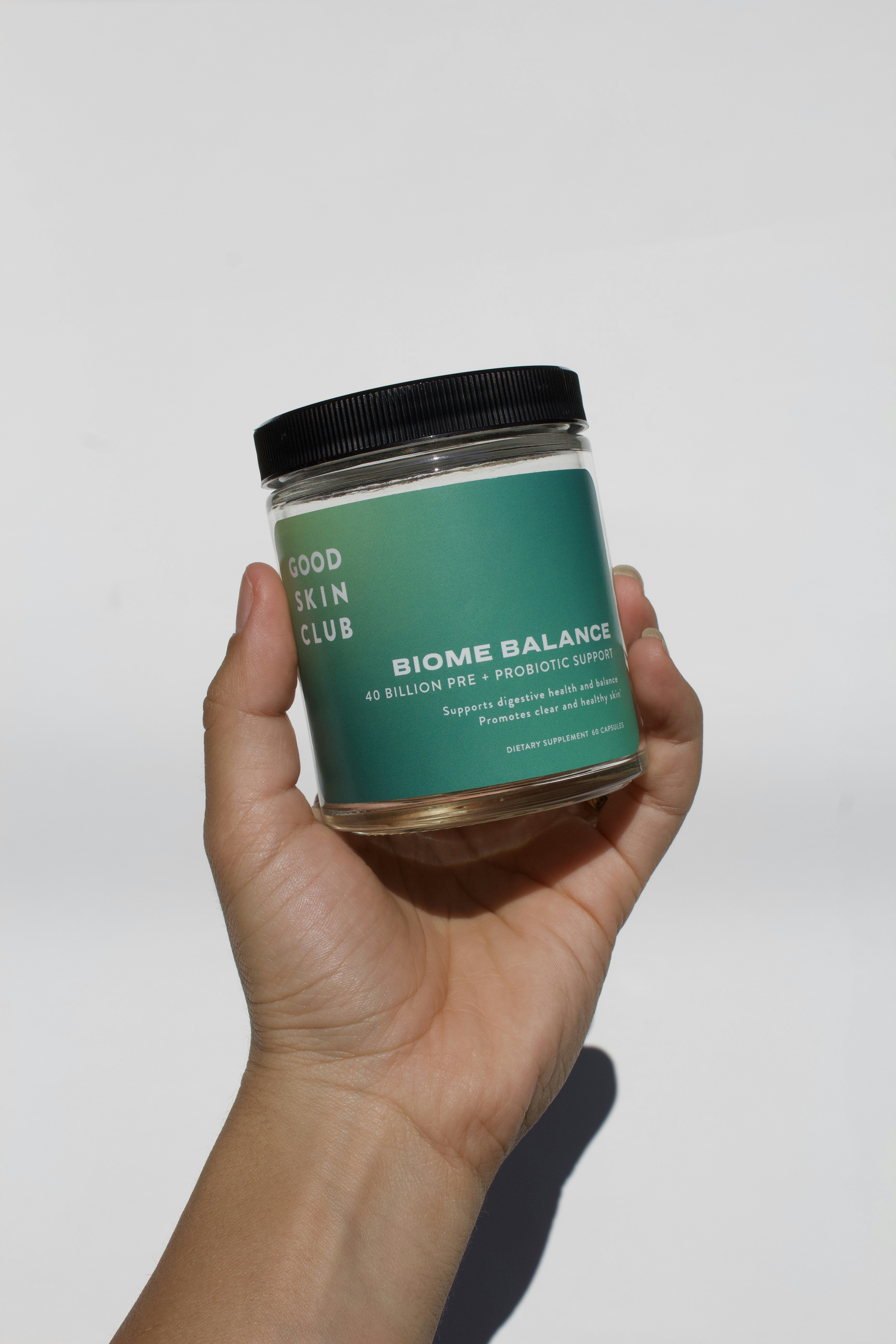
Understanding Gut Health
Gut health refers to the balance and functioning of the gastrointestinal tract, which houses a complex community of microorganisms known as the microbiome. This microbiome comprises trillions of bacteria, fungi, viruses, and other microbes that play a pivotal role in maintaining various bodily functions. A healthy gut microbiome is vital for overall health, affecting everything from digestion to mental health.
Thank you for reading this post, don't forget to subscribe!One of the primary roles of the microbiome is to aid in the digestion of food. Beneficial bacteria in our intestines help break down complex carbohydrates, synthesize vitamins, and absorb nutrients efficiently. This process ensures that the body receives the essential elements it needs to function optimally. Furthermore, an imbalanced gut flora can lead to digestive issues such as bloating, constipation, and even more severe conditions like irritable bowel syndrome (IBS).
Beyond digestion, gut health significantly influences mood and cognitive functions. The gut is often referred to as the “second brain” due to the strong connection between the gut and the central nervous system. Neurotransmitters, such as serotonin, which are essential for regulating mood, are produced in the gut. Therefore, individuals with a healthy microbiome may experience improved mood and reduced anxiety levels.
Moreover, gut health is crucial for a robust immune system. Approximately 70% of the body’s immune cells reside in the gut. A balanced gut microbiome can reduce inflammation and enhance the body’s defense against pathogens and diseases. Conversely, an imbalance may increase susceptibility to infections and immune-related conditions.
In summary, understanding gut health is essential, as it lays the groundwork for overall wellbeing, from digestion to mental health and immune function. Prioritizing gut health through proper nutrition and lifestyle choices can significantly enhance one’s quality of life.
The relationship between diet and gut health is profound and can significantly influence the composition and behavior of our gut microbiome. The foods we consume provide essential nutrients that feed our beneficial gut microorganisms, thereby promoting a balanced microbiome. Conversely, certain dietary choices can disrupt this balance, leading to various gut-related issues.
Processed foods, which often contain high levels of sugars and unhealthy fats, can negatively affect gut flora. These foods typically lack the necessary nutrients that sustain healthy bacteria, resulting in an imbalance often referred to as dysbiosis. Dysbiosis can lead to digestive problems and has been linked to more severe health issues, including obesity, diabetes, and even mental health disorders. Additionally, excessive sugar intake can promote the growth of harmful bacteria and yeast, further jeopardizing gut health.
On the other hand, a diverse diet rich in fiber, whole grains, fruits, and vegetables is critical for maintaining a healthy microbiome. Fiber acts as a prebiotic, feeding beneficial gut bacteria and promoting their growth. Foods such as legumes, nuts, seeds, leafy greens, and fermented products like yogurt and kimchi are excellent for nourishing gut health. These foods introduce a variety of micronutrients and phytochemicals that not only support gut integrity but also enhance the immune response.
Moreover, the richness and diversity of your diet can significantly affect the variety of microbial species in your gut. A varied diet provides a spectrum of different nutrients needed by various microbiota species, leading to a thriving ecosystem within the gut. Therefore, ensuring a balanced and diverse diet can aid in restoring and maintaining a healthy microbiome, crucial for overall wellness.
Foods That Promote a Healthy Microbiome
Maintaining a healthy microbiome is essential for overall wellness, and the food we consume plays a crucial role in nurturing our gut health. There are specific categories of foods that are particularly beneficial, including probiotics, prebiotics, fiber-rich foods, and fermented foods.
Probiotics are live bacteria that exert health benefits when consumed. Foods rich in probiotics, such as yogurt, kefir, and sauerkraut, can help to replenish the microbiome’s diversity, promote digestion, and enhance immune function. Incorporating these foods into your meals can be as simple as adding yogurt to breakfast or including fermented vegetables in salads.
Prebiotics serve as food for beneficial gut bacteria, promoting their growth and activity. Foods high in prebiotic content include garlic, onions, leeks, asparagus, and bananas. Adding these items to your diet can support a healthy microbiome. For example, incorporating garlic into your cooking or enjoying a banana as a snack can effectively provide these necessary nutrients.
Fiber-rich foods, such as whole grains, legumes, fruits, and vegetables, are vital for gut health as they promote regular bowel movements and feed the good bacteria in the gut. Increasing fiber intake gradually can lead to better digestive health. Whole grain breads or cereals, beans in salads, and a variety of fruits and vegetables can contribute significantly to your daily fiber intake.
Fermented foods not only contain probiotics but also help produce beneficial compounds during fermentation that can further enhance gut health. Foods like kimchi, miso, and tempeh are rich in probiotics and can easily be integrated into various culinary traditions. Try incorporating kimchi into rice dishes or adding miso paste to soups for a fermented boost.
By diversifying your diet with these foods that promote a healthy microbiome, you can support digestive health and overall well-being.
Tips for Improving Gut Health Through Diet
Enhancing gut health is paramount for overall well-being, and dietary changes can significantly impact this intricate system. First and foremost, incorporating a variety of fiber-rich foods is essential. Foods such as fruits, vegetables, legumes, and whole grains promote the growth of beneficial bacteria in the microbiome. For instance, berries, bananas, and oats are excellent sources of soluble fiber, which can aid in digestion and nutrient absorption.
Meal planning is another effective strategy. By organizing meals ahead of time, one can ensure a balanced intake of nutrients that support gut health. Aim to include a source of protein, healthy fats, and fiber in each meal. Additionally, consider preparing snacks that are gut-friendly, such as yogurt with probiotics, nuts, or raw vegetables with hummus. These options not only satisfy hunger but also contribute positively to gut flora.
Avoiding harmful eating habits is equally crucial. Limiting processed foods and sugars can reduce inflammation and promote a healthier gut environment. Furthermore, mindful eating practices—such as chewing food thoroughly and avoiding distractions during meals—can enhance digestion. It is also vital to monitor portion sizes to prevent overeating, which can stress the digestive system.
Hydration plays a key role in maintaining optimal gut health as well. Drinking sufficient water can facilitate digestion and support the mucosal lining of the intestines. In addition to hydration, managing stress is essential since chronic stress can negatively affect gut bacteria. Practices such as meditation, yoga, or simple breathing exercises can be beneficial for both mental and gut health.
By implementing these dietary strategies, individuals can create a supportive environment for their microbiome, ultimately leading to improved digestive health and overall well-being.

