
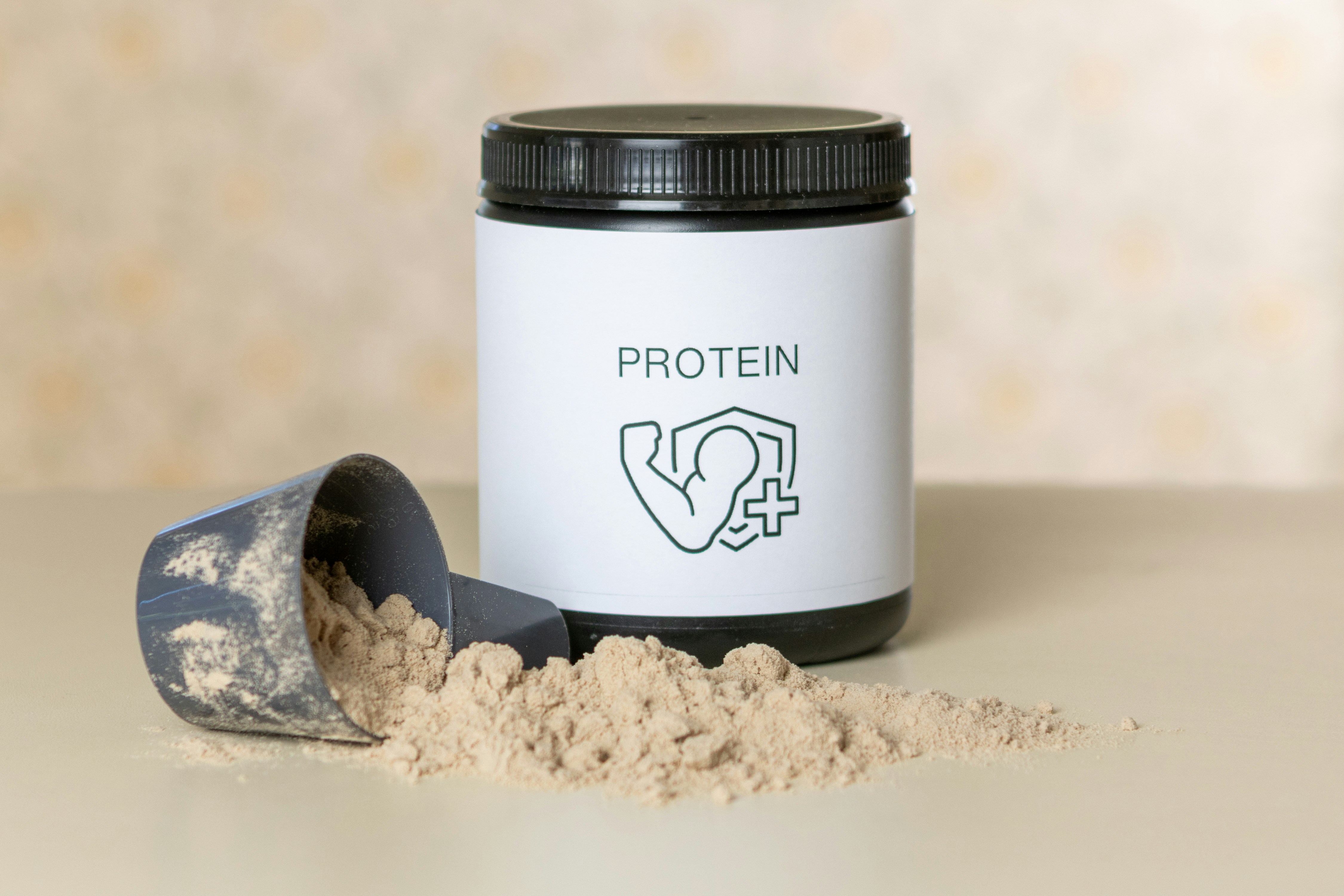
Understanding Protein: What It Is and Why It Matters
Protein is one of the three macronutrients essential for human life, alongside carbohydrates and fats. Composed of long chains of amino acids, proteins serve countless vital functions within the body. Each amino acid plays a specific role, and when they are combined, they form the unique structures necessary for the protein’s intended function.
Thank you for reading this post, don't forget to subscribe!The chemical structure of protein consists of carbon, hydrogen, oxygen, nitrogen, and sometimes sulfur atoms. These proteins fold into specific three-dimensional shapes which determine their function within biological processes. Notably, proteins are involved in muscle repair, making them crucial for recovery after exercise or injury. They also play a fundamental role in enzyme production, facilitating biochemical reactions that are necessary for metabolism.
Moreover, proteins are vital for hormone regulation. Hormones, which act as messengers in the body, are often proteins themselves or derived from amino acids. For example, insulin, a key hormone in glucose metabolism, is a protein that helps control blood sugar levels. Without adequate protein intake, the body may struggle to produce enough hormones, leading to metabolic dysfunctions.
Ensuring sufficient protein intake is essential for overall health and wellness. Proteins contribute to the structural integrity of cells, assist in immune function, and aid in the transport of oxygen through the blood via hemoglobin. Additionally, proper protein consumption can help maintain muscle mass, promote better bone health, and support weight management by promoting satiety. Given these various roles, it is clear that understanding protein and its functions can lead to informed dietary choices that enhance one’s health.
How Much Protein Do You Actually Need?
Determining the appropriate amount of protein intake is essential for maintaining overall health and wellness. The recommended daily allowance (RDA) for protein varies based on several factors such as age, sex, activity level, and individual health conditions. Generally, the RDA for protein for the average adult is approximately 0.8 grams of protein per kilogram of body weight. This amounts to about 46 grams per day for women and 56 grams per day for men. However, these figures can change based on lifestyle and physical demands.
For individuals who engage in regular physical activity, such as athletes or those involved in strength training, protein needs can rise significantly. Research suggests that athletes may benefit from a daily intake of 1.2 to 2.0 grams of protein per kilogram of body weight, depending on the intensity and type of training. This increase supports muscle repair and growth, contributing to better performance and recovery.
Additionally, specific populations such as vegetarians or vegans need to be mindful of their protein sources to ensure they are meeting their nutritional requirements. Plant-based protein sources like legumes, lentils, tofu, and quinoa can be excellent substitutes. For older adults, preserving muscle mass becomes crucial, often requiring higher protein levels of about 1.0 to 1.2 grams per kilogram of body weight to support healthy aging.
Furthermore, individuals with certain medical conditions may also require tailored protein intakes. For example, those recovering from surgery or dealing with chronic illnesses may need more protein to aid in healing and recovery. Therefore, it is important to recognize that while general guidelines exist, personal protein needs can widely vary and should ideally be assessed with the guidance of a healthcare professional.
The Best Sources of Protein: Animal vs. Plant-Based
Protein is a vital macronutrient playing crucial roles in the body, from building and repairing tissues to producing enzymes and hormones. When considering the best sources of protein, it’s essential to evaluate both animal and plant-based options, recognizing their distinct benefits and limitations.
Animal-based protein sources, such as meat, dairy, and eggs, are often considered complete proteins. This means they contain all nine essential amino acids required by the human body. For example, lean meats like chicken and fish provide not only high-quality protein but also essential nutrients such as iron and vitamin B12. Dairy products, such as yogurt and cheese, offer not just protein but also probiotics, contributing to gut health. Eggs, known for their excellent protein quality, are versatile and nutrient-dense.
On the other hand, plant-based protein options include legumes, nuts, soy products, and whole grains. While many plant sources are considered incomplete proteins, meaning they lack one or more essential amino acids, combining different sources can result in a complete protein intake. For example, pairing beans with rice or quinoa enhances the overall protein quality. Legumes, such as lentils and chickpeas, are rich in protein and fiber, making them filling and heart-healthy. Nuts and seeds, such as almonds and chia seeds, provide healthy fats alongside protein, while soy products like tofu and tempeh offer a versatile meat substitute with excellent protein content.
Incorporating a variety of both animal and plant-based proteins can ensure a well-rounded intake of amino acids and nutrients. Particularly for those following vegetarian or vegan diets, combining different plant proteins can effectively meet protein requirements. Understanding the benefits of each source allows for more informed dietary choices that support overall health and wellness.
Practical Tips for Incorporating More Protein into Your Diet
Increasing protein intake can be seamlessly integrated into everyday meals and snacks with a few practical strategies. Meal planning is a fundamental approach; allocate dedicated time each week to outline meals that include protein-rich ingredients. This can be as simple as designing a schedule that highlights breakfast, lunch, dinner, and snacks, focusing on including sources such as lean meats, fish, dairy, legumes, and nuts.
For breakfast, consider incorporating eggs, Greek yogurt, or a protein-packed smoothie filled with fruits, vegetables, and a protein supplement if desired. For lunch and dinner, aim to fill half your plate with protein sources. For example, grilled chicken, quinoa, or lentil-based dishes can easily become staples in your meals. Experimenting with bean salads, adding nuts to stir-fries, or including hummus as a spread can also boost protein consumption effectively.
Snacking is another opportunity to increase your protein intake. Replace common snack choices with options like cottage cheese topped with fruit, a handful of mixed nuts, or edamame. These choices provide essential nutrients alongside additional protein. It is essential to keep portion sizes in mind to ensure balanced nutrition throughout the day.
Moreover, there are several common misconceptions regarding protein consumption. Some individuals may think that high protein diets are exclusively for bodybuilders or athletes; however, protein is crucial for everyone, aiding in muscle recovery and overall health. Additionally, choosing plant-based protein sources can offer a sustainable alternative without compromising one’s protein needs. Incorporating plant-based proteins such as tofu, lentils, and chickpeas into meals can be equally beneficial.
By understanding the various sources of protein and implementing these practical tips, individuals can enhance their diet in a healthful and sustainable manner, ensuring they meet their protein needs effectively and deliciously.

