
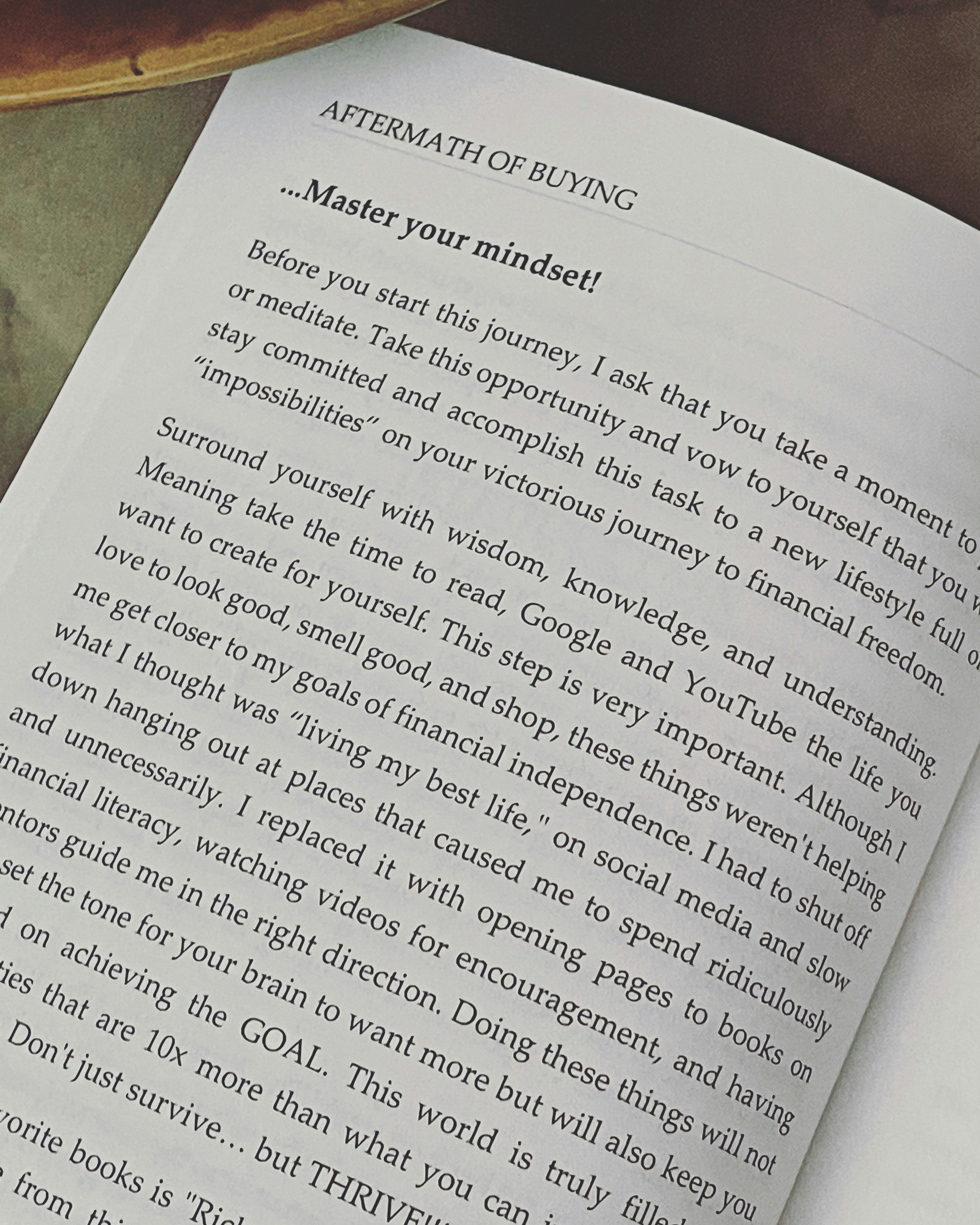
Understanding Lifestyle Changes
Lifestyle changes refer to the adjustments individuals make in their daily routines and habits to promote better health, enhanced well-being, and personal development. These changes may encompass a broad range of areas, including nutrition, physical activity, mental health practices, and social relationships. A focus on lifestyle modification can lead to significant benefits, emphasizing the notion that even small adjustments can yield considerable improvements over time.
Thank you for reading this post, don't forget to subscribe!Implementing manageable lifestyle changes is essential for fostering sustainable growth. Instead of attempting drastic alterations that may be challenging to maintain, individuals are encouraged to focus on gradual transitions. For example, enhancing nutrition could begin with integrating more fruits and vegetables into one’s diet, replacing sugary snacks with healthier alternatives. Similarly, incorporating small bouts of exercise, such as walking or cycling, can make a profound difference in physical health without overwhelming one’s schedule.
Another critical area of focus is mental health, which can greatly benefit from lifestyle changes. Practices such as mindfulness meditation, regular journaling, or engaging in hobbies can improve emotional well-being and overall life satisfaction. Furthermore, fostering social connections by participating in community activities or maintaining relationships with family and friends supports mental health and creates a robust support system, which is vital during periods of change.
Ultimately, understanding the various aspects of lifestyle changes is pivotal for those seeking to improve their quality of life. Identifying areas where one can initiate change—whether in nutrition, exercise, or mental health—provides a personalized roadmap toward holistic well-being. Embracing these incremental shifts paves the way for lasting transformation, enabling individuals to navigate their personal development journeys effectively.
Setting Realistic Goals
Establishing achievable goals is a fundamental aspect of improving one’s lifestyle. To begin this process, individuals must first identify their personal priorities and motivations. This reflection allows one to distinguish between what is essential and what is merely a desire. By understanding the core motivations behind lifestyle changes, individuals can set goals that resonate more deeply with their values.
After identifying priorities, it is crucial to break down larger aspirations into smaller, actionable steps. For example, if an individual aims to improve their fitness level, they might start by setting a goal to engage in physical activity three times a week, rather than attempting to complete a marathon immediately. Breaking goals down not only makes them feel more manageable but also reduces the likelihood of feeling overwhelmed, thus increasing the odds of success.
Additionally, monitoring progress is vital in the goal-setting process. Keeping a journal or utilizing mobile applications can help track advancements, offering tangible evidence of improvement. This practice is not only motivating but also provides an opportunity to assess what strategies are effective and what may require adjustment. Celebrating small successes can significantly boost motivation and reinforce the desire to continue pursuing lifestyle improvements.
As circumstances change, it is essential to remain adaptable with one’s goals. Regularly revisiting and adjusting the goals ensures they align with evolving priorities and situations. Flexibility prevents frustration that may arise from pursuing outdated objectives. Ultimately, setting realistic, measurable, and adaptable goals forms a foundation upon which sustainable lifestyle improvements can be built.
Incorporating Positive Habits
Incorporating positive habits into daily routines is a fundamental aspect of enhancing one’s lifestyle. The process of habit formation is crucial; it involves establishing a consistent pattern of behavior that gradually becomes embedded in one’s daily life. One effective technique to facilitate this is through the cue-routine-reward system. This system starts with a cue that triggers a specific habit, followed by the routine— the actual behavior— and concludes with a reward that reinforces the behavior, making it more likely to be repeated.
A practical example includes incorporating a daily exercise routine. The cue could be setting a consistent time each day, such as after work. The routine would then be engaging in physical activity, while the reward can be treating oneself to a relaxing shower or some leisure time. Over time, this sequence helps to create a more active lifestyle.
In addition to physical activity, positive habits in diet can be integrated. For instance, preparing healthy meals on a weekly basis can serve as a cue for healthier eating. The act of cooking becomes the routine, and enjoying a nourishing meal can act as the reward. Also, establishing a mindfulness practice, such as meditation, can be beneficial. Setting aside a few minutes each day to sit quietly can enhance mental clarity and reduce stress. The routine is the meditation itself, while the resulting feeling of calm serves as the reward.
However, challenges often arise when trying to incorporate these habits. Common obstacles include lack of time, motivation, or resources. To combat this, planning ahead and establishing a specific schedule can prove invaluable. Additionally, starting small and gradually increasing the complexity of the habits can prevent feelings of being overwhelmed, thus improving the likelihood of sustaining them over the long term.
Reflecting and Adjusting
Embarking on a new lifestyle journey often demands periods of reflection and adjustment. The key to successful long-term change lies in continuously evaluating one’s progress, acknowledging any setbacks, and celebrating achievements, no matter how small. These reflections can be facilitated through various techniques that allow individuals to gain insights into their behaviors and choices.
Journaling serves as a powerful tool for self-reflection. By documenting daily experiences, feelings, and thoughts, one provides a tangible record of personal growth and challenges. Over time, reviewing these entries can help individuals identify patterns in their lifestyle changes, reaffirm positive behaviors, and pinpoint areas that require adaptation. For those who prefer an external perspective, seeking feedback from trusted peers or mentors can offer invaluable insights into one’s approach and progress.
Acknowledging setbacks is crucial in this reflective process. It is not uncommon to encounter obstacles when making lifestyle changes; however, viewing these challenges as learning opportunities rather than failures can foster resilience. By analyzing what contributed to a setback, individuals can formulate strategies to prevent similar occurrences in the future. Moreover, it is essential to recognize and celebrate successes, as this builds motivation to persist on the path of improvement.
Maintaining an open mindset is vital for continuous self-improvement. Being adaptable allows individuals to tweak their lifestyle changes as necessary, ensuring they remain aligned with their evolving goals and aspirations. Striving for progress rather than perfection can make the journey more enjoyable and sustainable. As one reflects on their experiences, the combination of thoughtful evaluation and openness to change paves the way for ongoing growth and enhancement of one’s lifestyle.

