
Understanding Self-Compassion
Self-compassion is an essential concept that emphasizes the importance of treating oneself with kindness and understanding during challenging times. This idea encourages individuals to recognize their own suffering or failures without harsh self-criticism. Instead of engaging in negative self-talk, self-compassion promotes a more nurturing approach, allowing individuals to respond to their struggles with empathy and grace. The practice encompasses three core components: self-kindness, common humanity, and mindfulness.
Thank you for reading this post, don't forget to subscribe!Self-kindness refers to offering care and support to oneself in moments of distress, rather than succumbing to feelings of inadequacy or shame. This approach fosters a greater sense of emotional relief, as individuals learn to comfort themselves much like they would offer support to a friend in need. The second component, common humanity, reinforces the idea that suffering and personal failures are universal experiences. Acknowledging that everyone faces difficulties can help individuals feel more connected to others, thereby reducing feelings of isolation. Lastly, mindfulness plays a critical role in self-compassion. It involves maintaining a balanced awareness of one’s thoughts and feelings without exaggeration or suppression. This awareness allows individuals to observe their emotions objectively, creating space for healing and acceptance.
The benefits of self-compassion are profound and far-reaching. Research indicates that individuals with higher levels of self-compassion tend to experience improved emotional well-being, enhanced resilience, and more significant personal growth. By fostering a gentle, accepting attitude towards oneself, individuals are better equipped to navigate life’s challenges. Rather than becoming overwhelmed by failure, self-compassion allows for a growth-oriented mindset where learning and self-improvement are prioritized. Thus, embracing self-compassion can lead to a healthier relationship with oneself, contributing to overall happiness and fulfillment.
The Concept of Self-Esteem
Self-esteem can be defined as an individual’s evaluative perception of their self-worth. It encompasses the beliefs and feelings one holds about oneself, which can significantly influence emotional well-being and behavior. People with high self-esteem generally possess a favorable evaluation of themselves, feeling capable and valuable. Conversely, individuals with low self-esteem may experience feelings of inadequacy and self-doubt, often questioning their abilities and worth.
An essential aspect of self-esteem is its inherently fluctuating nature. It can change based on external factors such as social interactions, achievements, and feedback from others. Many individuals find that their self-esteem rises when they receive praise or recognition, but it may diminish in the face of criticism or failure. This dependency on external validation creates a precarious foundation for self-esteem, leading to an emotional rollercoaster of highs and lows.
Reliance on self-esteem can lead to potential drawbacks. The quest for external approval can foster anxiety, as individuals continuously seek validation from peers, colleagues, and society at large. Such a mindset often leads to unhealthy comparisons with others, triggering feelings of unworthiness and inadequacy. As a result, individuals may position their worth against the perceived successes of their peers, further eroding their self-perception.
Moreover, the constant pursuit of validation can create a cycle where self-esteem is contingent upon success and achievement. Failure or missed opportunities may lead to a significant decline in self-worth, perpetuating a negative feedback loop that can adversely affect mental health. In this context, self-esteem can be seen as a potentially unstable foundation for self-identity, contributing to greater emotional distress rather than fostering resilience and self-acceptance.
Self-Compassion vs. Self-Esteem: Key Differences
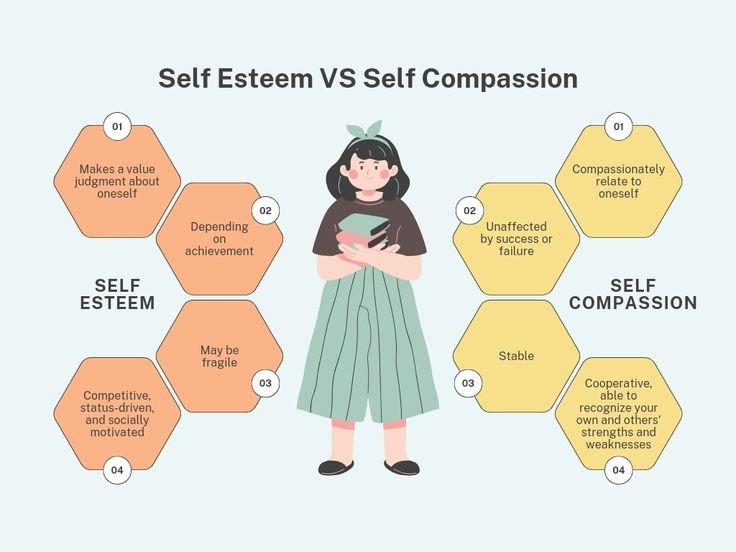
Self-compassion and self-esteem are two concepts that often surface in discussions about emotional well-being and mental health, but they embody fundamentally different approaches to how individuals evaluate themselves and respond to challenges. Self-esteem typically revolves around an individual’s self-worth and is often derived from external factors, such as accomplishments, social recognition, or peer comparisons. In contrast, self-compassion emphasizes kindness towards oneself, especially during difficult times, embracing a more stable internal validation that does not rely on external achievements or comparisons to others.
Research highlights that self-esteem can be precarious, fluctuating based on life circumstances and societal pressures. For instance, someone may feel high self-esteem after a promotion but experience a sharp decline after receiving negative feedback. This volatility can lead to an erratic emotional state, making individuals vulnerable to feelings of inadequacy when their accomplishments fall short of expectations.
On the other hand, self-compassion offers a more resilient framework. It encourages an individual to acknowledge their struggles and imperfections while providing oneself with the same empathy one would extend to a friend. Several studies have shown that self-compassion is linked to greater emotional resilience, resulting in a more stable and cohesive sense of self. Individuals who practice self-compassion report lower levels of anxiety and depression, as they are not subject to the harsh self-judgment that often accompanies traditional self-esteem measures.
Furthermore, self-compassion promotes a mindset that is forgiving and understanding, creating an environment where personal growth can flourish. Rather than tying worth to external validation, self-compassion roots individuals in an acceptance of their humanity, fostering healthier coping mechanisms. In this way, self-compassion not only contrasts dramatically with self-esteem but also posits itself as a foundation for a more sustainable psychological well-being.
Why Choosing Self-Compassion Matters
Self-compassion is an essential aspect of mental health and well-being, often regarded as more beneficial than self-esteem. While the latter focuses on external validation and comparison with others, self-compassion fosters a nurturing internal dialogue, vital for personal growth and emotional resilience. When we prioritize self-compassion, we enable ourselves to respond to hardships with kindness rather than judgment, which can make a significant difference in how we handle life’s challenges.
One effective strategy to cultivate self-compassion involves implementing mindfulness practices. Engaging in mindfulness allows individuals to observe their thoughts and feelings without harsh evaluation, promoting a sense of non-attachment. By embracing this approach, individuals can acknowledge their imperfections without falling victim to self-criticism, thus enhancing their overall emotional well-being.
Additionally, adopting positive self-talk plays a crucial role in nurturing self-compassion. Replacing negative and critical thoughts with affirmations of support can create a more compassionate inner dialogue. For instance, instead of saying, “I always fail at this,” one might shift to, “I’m doing my best, and it’s okay to make mistakes.” This shift not only reduces feelings of inadequacy but also empowers individuals to embrace their flawed humanity, strengthening their self-acceptance.
Another practical method for fostering self-compassion is reframing negative thoughts. This involves challenging harmful beliefs and perceptions about oneself. By analyzing these thoughts and considering alternative perspectives, individuals can gradually reshape their self-image. For example, recognizing that failure is a part of learning can encourage a healthier view of personal setbacks, leading to richer experiences in relationships and enhanced empathy towards oneself and others.
Embracing a self-compassionate mindset ultimately paves the way for deeper self-acceptance and healthier interpersonal connections, fostering a more fulfilling life. By prioritizing self-compassion over self-esteem, individuals can nurture their emotional growth and improve their overall quality of life.

