
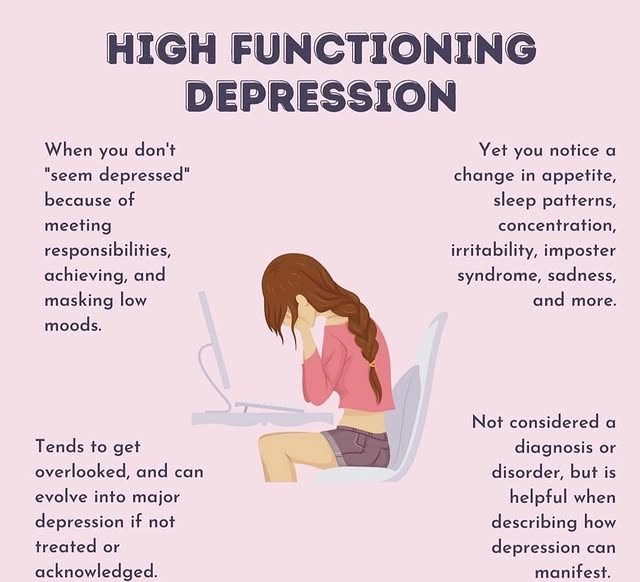
What is High-Functioning Anxiety?
High-functioning anxiety is an informal term describing individuals who experience significant anxiety symptoms while still maintaining the ability to perform well in their daily lives. Unlike traditional anxiety disorders, where individuals may find it difficult to fulfill everyday responsibilities, those with high-functioning anxiety can often appear successful and put together. This paradox can lead to a lack of recognition and understanding of the condition, both personally and socially.
Thank you for reading this post, don't forget to subscribe!Individuals with high-functioning anxiety may excel in their careers, maintain strong relationships, and meet various life obligations, all while struggling internally with overwhelming feelings of fear, worry, or unease. Common symptoms can include constant overthinking, perfectionism, and a relentless drive to achieve, which can lead to a cycle of self-doubt and stress. While they adeptly manage outward appearances, the internal experience of anxiety can be profoundly distressing, making it important to recognize and validate their struggles.
Moreover, societal factors contribute significantly to the misunderstanding of high-functioning anxiety. In cultures where success and productivity are highly valued, individuals may feel pressured to minimize their mental health challenges. The stigma around mental health issues can exacerbate the situation, making it difficult for those suffering from high-functioning anxiety to seek help or express their need for support. This condition is increasingly recognized among high achievers, emphasizing the need for greater awareness and understanding of its complexities and its impact on individual well-being.
Signs and Symptoms of High-Functioning Anxiety
High-functioning anxiety often presents itself in a complex blend of emotional, physical, and behavioral symptoms that can be difficult to identify. Individuals experiencing this form of anxiety may appear successful and composed on the outside, while internally they are struggling with significant distress and worry.
Emotionally, those with high-functioning anxiety frequently experience excessive worry and persistent thoughts about potential failures. This heightened sense of fear often revolves around personal and professional responsibilities, leading to feelings of inadequacy or self-doubt despite outward achievements. The individual may also exhibit anxiety about social interactions, leading to a tendency to overanalyze conversations or worry about their social acceptability.
Physically, the symptoms of high-functioning anxiety can be quite telling. Individuals may endure tension headaches, muscle tightness, or gastrointestinal issues such as chronic digestive problems. These physical manifestations often arise as a direct response to mental stressors, further perpetuating the anxiety cycle. Individuals may find themselves experiencing elevated heart rates or disruptions in sleep patterns, which can exacerbate feelings of fatigue and irritability.
Behavioral patterns also play a crucial role in identifying high-functioning anxiety. Perfectionism is a common trait; individuals may set unattainably high standards for themselves, leading to a constant state of stress as they strive to meet these expectations. Avoidance strategies are also prevalent; while some may take on multiple tasks to avoid confronting underlying anxiety, others may shy away from activities that induce stress, impacting their overall quality of life and relationships.
Recognizing these signs and symptoms is the first step toward addressing high-functioning anxiety. By understanding both the emotional and physical aspects of this condition, individuals can better identify their behaviors and seek appropriate coping strategies.
Coping Strategies for High-Functioning Anxiety
Managing high-functioning anxiety requires practical coping strategies that can be seamlessly integrated into daily routines. One effective approach is mindfulness. Practicing mindfulness involves being present in the moment without judgment. Techniques such as deep breathing exercises or short meditation sessions can help individuals focus their thoughts and reduce anxiety levels. Incorporating mindfulness into daily life can be as simple as taking a few moments to breathe deeply before starting a new task.
Another useful strategy is time management. Individuals with high-functioning anxiety often juggle multiple responsibilities, which can exacerbate feelings of overwhelm. Creating detailed plans, setting realistic goals, and prioritizing tasks can alleviate stress. Tools like calendars and to-do lists can be beneficial in keeping track of responsibilities while also allowing room for breaks.
Cognitive-behavioral strategies are also essential for managing this condition effectively. Recognizing and challenging negative thought patterns allows individuals to reframe their thinking. Engaging in positive affirmations and practicing self-compassion are practical tools that can help cultivate a more balanced perspective. This shift in mindset is crucial for reducing anxiety over time.
Physical activity plays a significant role in managing anxiety symptoms as well. Regular exercise boosts endorphins, which can elevate mood and decrease anxiety levels. Whether through running, yoga, or group classes, finding an enjoyable way to stay active can significantly influence overall well-being.
Establishing a support system is equally important. Connecting with friends, family, or mental health professionals can provide reassurance and understanding. Whether through conversational support or professional guidance, having people to share experiences with can demystify feelings of anxiety and foster a sense of community.
In conclusion, implementing these coping strategies can empower individuals facing high-functioning anxiety to regain a sense of control and improve their quality of life.
When to Seek Professional Help
Recognizing when to seek professional help for high-functioning anxiety can be crucial for maintaining mental wellness. While many individuals may successfully manage their symptoms on their own, there are certain signs that indicate the necessity for professional intervention. If anxiety begins to interfere with daily responsibilities, normal social interactions, or leads to significant distress, it may be time to consult a mental health professional.
Untreated anxiety, even when it appears manageable, can escalate over time and lead to more severe mental health issues, such as chronic stress or depression. Symptoms such as persistent worry, difficulty concentrating, irritability, fatigue, and physical ailments may represent underlying disorders requiring tailored therapeutic approaches. Therefore, acknowledging these signs early can prevent complications and enhance overall quality of life.
Professional therapy or counseling provides a supportive environment where individuals can explore the underpinnings of their anxiety and establish effective coping mechanisms. Therapists can offer techniques such as cognitive-behavioral therapy (CBT), mindfulness strategies, and emotional regulation skills tailored to the individual’s needs. As a result, the therapy journey often facilitates enhanced self-awareness and empowered decision-making.
Finding a suitable mental health professional begins with research. Individuals may ask for referrals from primary care physicians or trusted contacts. Additionally, online directories are valuable resources for identifying therapists who specialize in anxiety disorders. It is essential to evaluate potential professionals based on qualifications, experience, and compatibility with personal preferences.
During initial sessions, it is common to discuss concerns, establish treatment goals, and explore various therapeutic options. Importantly, seeking help is a proactive step towards achieving mental well-being and fostering resilience in the face of life’s challenges. Understanding the risks of untreated anxiety and embracing therapeutic support can lead to a more fulfilling life.

