
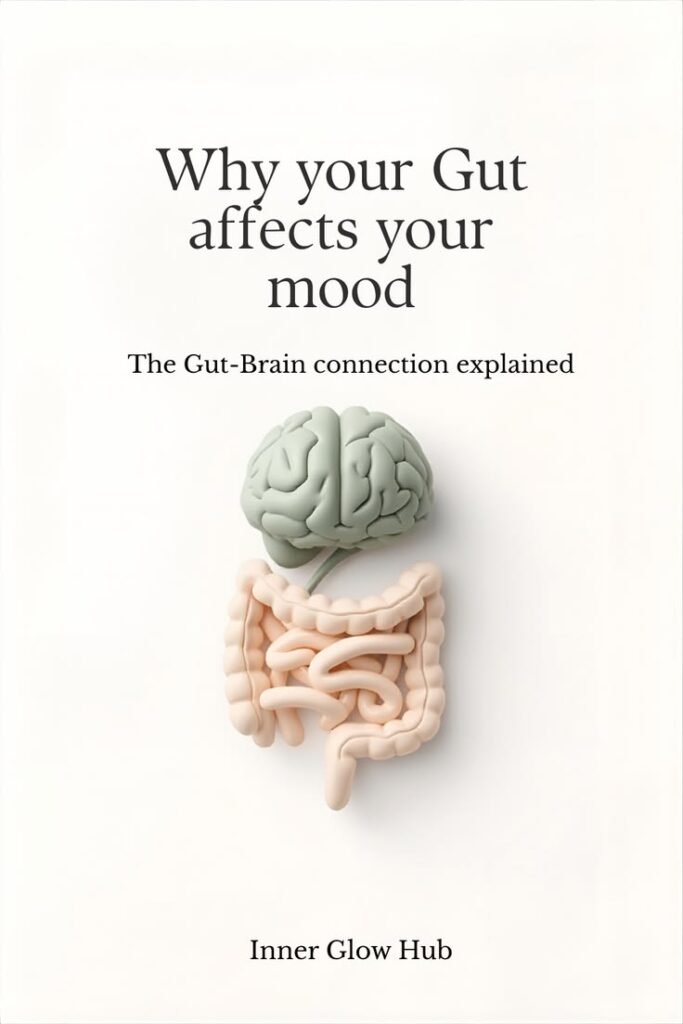
Understanding Gut Health
Gut health refers to the balance and functionality of our gastrointestinal tract, which plays a vital role in our overall physical wellbeing. Central to this concept is the gut microbiome, a complex community of microorganisms residing in our digestive system. These microbes, including bacteria, viruses, fungi, and other microbes, contribute significantly to various bodily functions, such as digestion, metabolism, and even immune responses.
Thank you for reading this post, don't forget to subscribe!A balanced diet is crucial for maintaining gut health. Nutrient-dense foods, rich in fiber, promote the growth of beneficial bacteria, while processed foods high in sugar and unhealthy fats can disrupt this balance, leading to an unhealthy gut. This imbalance may result in symptoms such as bloating, constipation, diarrhea, or digestive discomfort, all of which can signal a compromised gut environment.
Several factors may disrupt gut health, including antibiotic use, chronic stress, lack of sleep, and an unbalanced diet. These disruptions can lead to dysbiosis, a condition where harmful bacteria outnumber beneficial ones, potentially resulting in gastrointestinal diseases and even affecting mental health. Research suggests a strong connection between gut health and anxiety, as an unhealthy gut may influence neurotransmitter production and inflammatory responses, which can manifest as anxiety symptoms.
Signs of an unhealthy gut may include persistent digestive issues, fatigue, sleep disturbances, and increased stress levels. Maintaining gut health is crucial not only for physical wellness but also for emotional and mental wellbeing. Engaging in practices that promote a healthy gut microbiome can help mitigate the risks associated with anxiety and other related health concerns.
The Gut-Brain Connection
The gut-brain connection is a fascinating area of research that illustrates how the gastrointestinal system and the brain interact and influence one another. This bidirectional communication occurs through several pathways, the most notable being the vagus nerve, a crucial component of the autonomic nervous system. The vagus nerve establishes a direct link between the gut and the brain, enabling signals to flow from the gut microbiome to the central nervous system and vice versa. This connection allows changes in gut health to potentially impact mood and emotional well-being.
Neurotransmitters, which are biochemical substances used for communication between neurons, also play a significant role in this relationship. Notably, around 90% of serotonin—a neurotransmitter that contributes to feelings of happiness and well-being—is produced in the gut. Alterations in gut bacteria composition can lead to disruptions in serotonin availability, which may influence an individual’s susceptibility to anxiety and other mood disorders. Some studies have found correlations between gut dysbiosis, or an imbalance in gut bacteria, and increased levels of anxiety and depression.
Scientific investigations have begun to provide substantial evidence regarding the impact of gut health on mental health. For instance, research has shown that probiotics, which are beneficial bacteria, can enhance gut microbiota and improve symptoms of anxiety in clinical populations. Other studies have indicated that dietary changes aimed at improving gut health can lead to significant improvements in mood and anxiety levels. These findings underscore the importance of maintaining a balanced gut microbiome for emotional and psychological well-being. Thus, the gut-brain connection not only highlights a complex physiological relationship but also suggests potential therapeutic avenues for anxiety disorders.
Dietary Influences on Anxiety and Gut Health
The intricate relationship between dietary choices, gut health, and anxiety is gaining recognition. Specific foods can either bolster a healthy gut microbiome or contribute to gut dysbiosis, which can exacerbate anxiety symptoms. It is essential to understand how nutrition impacts mental health, particularly through the gut-brain axis.
Foods rich in fiber, such as fruits, vegetables, whole grains, and legumes, serve as the primary fuel for beneficial gut bacteria. These foods promote the growth of a diverse microbiome, which is crucial for both digestive health and emotional well-being. Additionally, fermented foods, which are rich in probiotics, such as yogurt, kefir, sauerkraut, and kimchi, can enhance gut health by introducing beneficial bacteria that play a key role in managing anxiety levels.
Conversely, certain dietary patterns and specific foods may lead to negative outcomes in gut health and, subsequently, mental clarity. Diets high in processed foods, refined sugars, and unhealthy fats have been linked to dysbiosis. Such diets can promote inflammation, which is increasingly recognized as a contributing factor to anxiety disorders. Limiting the intake of these detrimental foods is essential for supporting a healthy microbiome.
The Mediterranean diet has emerged as a beneficial dietary pattern that may help in anxiety management. This diet emphasizes high intake of fruits, vegetables, legumes, whole grains, nuts, fish, and olive oil while reducing red meat and processed foods. Research shows that adherence to this diet is associated with lower levels of anxiety and improved overall mental health.
In summary, dietary choices significantly affect gut health and emotional state. By incorporating probiotic-rich foods, fiber, and a balanced eating pattern such as the Mediterranean diet, individuals may improve not only their gut health but also mitigate anxiety symptoms effectively.
Practical Tips for Improving Gut Health and Reducing Anxiety
Enhancing gut health can play a significant role in alleviating anxiety symptoms due to the intricate connection between the gut and brain. A first step to consider is the inclusion of more fiber-rich foods in one’s diet. These foods, such as fruits, vegetables, whole grains, and legumes, not only promote healthier digestion but also encourage the growth of beneficial gut bacteria. This diverse microbial community is essential for optimal gut function and has been linked to improved mental well-being.
Incorporating probiotics into your diet may further bolster gut health. Probiotic-rich foods like yogurt, kefir, sauerkraut, and kombucha can help restore the balance of gut flora, which is crucial for both physical and mental health. Regularly consuming these foods can enhance mood and potentially reduce feelings of anxiety.
Mindfulness and stress-reduction techniques also contribute significantly to both gut health and anxiety management. Practicing mindfulness meditation or engaging in deep-breathing exercises helps lower stress levels, which can positively impact gut function. Finding a few minutes each day to perform mindfulness exercises may cultivate a sense of calm and improve overall mental health.
Furthermore, it is essential to incorporate regular physical activity into your routine. Exercise has been shown to enhance gut health by increasing gut microbiome diversity while simultaneously releasing endorphins – hormones that promote feelings of happiness and reduce anxiety. Aim for at least 150 minutes of moderate aerobic activity each week, or explore enjoyable activities such as walking, cycling, or dancing.
Taking a holistic approach to gut health and mental well-being can create a foundation for improved quality of life. By adopting these practical strategies, individuals may find a reduction in anxiety symptoms and an overall enhancement in both their physical and mental health.

