
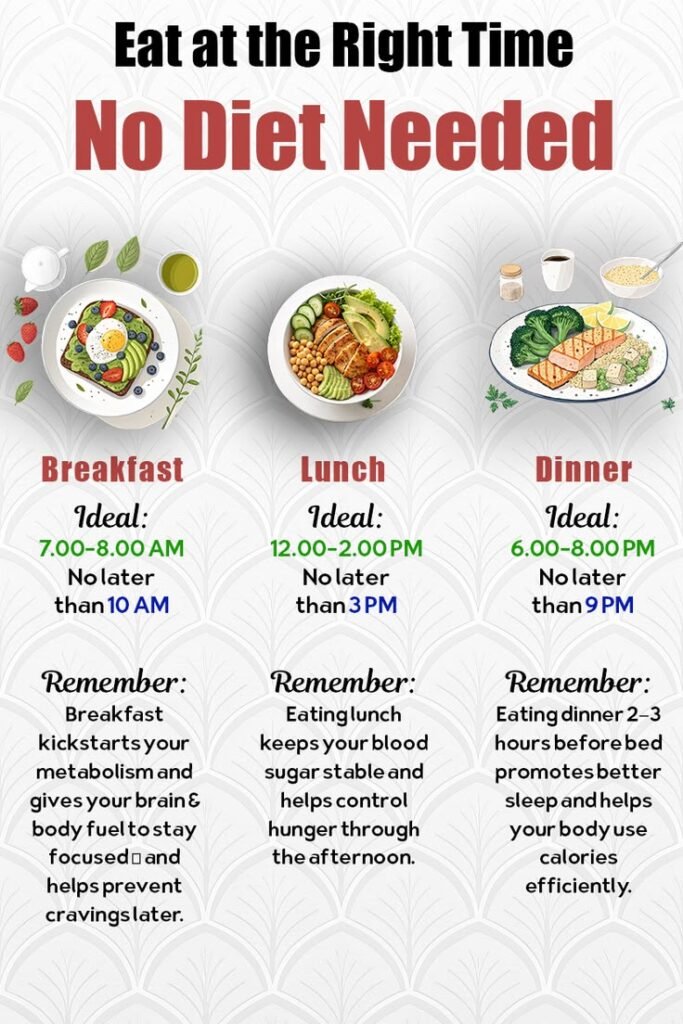
Understanding Meal Timing and Its Importance
Meal timing is a crucial aspect of nutrition that focuses on not only what individuals consume but also when they consume it. This strategy plays a significant role in weight loss and overall health. Research has shown that the timing of meals can significantly impact metabolic processes, hunger regulation, and energy utilization in the body.
Thank you for reading this post, don't forget to subscribe!The concept hinges on several physiological factors. Firstly, meal timing influences metabolism. Consuming meals at consistent intervals encourages the body’s metabolic rate to function optimally, fostering an efficient breakdown of nutrients. When meals are irregularly timed, the metabolism may slow down due to prolonged fasting periods, leading to less effective weight management.
Moreover, meal timing is closely linked with the regulation of hunger hormones, such as ghrelin and leptin. Ghrelin, which stimulates appetite, tends to rise during fasting periods. Conversely, leptin, which signals satiety, rises after meal consumption. By strategically timing meals, individuals may better control these hormone levels, leading to reduced hunger and more manageable portion sizes, which support weight loss objectives.
Additionally, the timing of meals can affect energy levels throughout the day. Consuming smaller, well-spaced meals may help sustain energy levels and avoid the crashes commonly associated with infrequent meal schedules. This balanced energy can enhance physical activity, further contributing to weight loss.
In conclusion, understanding meal timing and its implications can empower individuals to make informed nutritional choices. By aligning meal schedules with the body’s natural rhythms, individuals can improve metabolic health, manage hunger cues, and optimize energy levels, all of which are essential elements in the pursuit of effective weight loss.
The Science Behind Meal Timing and Weight Loss
Recent research has illuminated the intricate relationship between meal timing and weight loss, suggesting that when food is consumed may hold as much significance as what is eaten. A key area of focus has been intermittent fasting, which typically involves alternating cycles of eating and fasting. Studies indicate that this eating pattern can enhance fat loss while helping to preserve lean muscle mass, contributing to a healthier body composition.
One notable study, published in the journal “Obesity,” compared participants who followed an intermittent fasting schedule with those who maintained traditional caloric restriction. The findings revealed that those practicing meal timing through fasting not only exhibited greater reductions in body fat percentage but also benefited from an improved metabolic profile. This suggests that timing food intake to align with the body’s natural circadian rhythms can optimize fat loss effects.
Moreover, a research review conducted in 2021 highlighted the significance of eating frequency in weight management. The analysis indicated that individuals who consumed their meals within specific windows experienced fewer instances of obesity-related complications. These findings support the view that structured meal timing contributes positively to weight loss efforts rather than mere calorie counting alone.
Investigating the hormonal implications, other studies found that altered meal patterns can affect insulin sensitivity – a vital factor in weight management. By strategically timing meals, participants showed marked improvements in insulin responsiveness, which is crucial for regulating blood sugar levels and storing fat effectively. This aligns with the broader understanding that the biological processes surrounding metabolism are finely tuned to the timing of nutrient intake.
In essence, the evolving body of research consistently underscores the importance of meal timing as a potential tool for weight loss. By considering both the quantity and timing of meals, individuals may enhance their fat loss efforts while promoting overall health and well-being.
Practical Tips for Optimizing Meal Timing for Weight Loss
To effectively harness meal timing for weight loss, it is essential to implement a structured approach that considers meal frequency, nutrient composition, and workouts. Research indicates that consuming smaller, more frequent meals throughout the day can aid in maintaining metabolic rate and controlling hunger. Aim for three main meals with two or three healthy snacks in between. This method can prevent feelings of deprivation and reduce the likelihood of overeating during main meals.
Timing your meals in relation to your workouts can also enhance weight loss efforts. Consuming a balanced meal containing protein and complex carbohydrates 1-3 hours before exercising provides the necessary energy for performance. Post-workout, within 30 minutes to an hour, it is beneficial to have another meal or snack rich in protein and healthy fats. This helps stimulate muscle recovery and maintain metabolic activity.
Additionally, consider the type of foods you are consuming and their optimal timing. For instance, eating carbohydrates earlier in the day can provide energy for daily activities and reduce the risk of cravings later. In contrast, having lighter meals, predominantly consisting of lean proteins and non-starchy vegetables, in the evening may aid digestion and contribute to better sleep, which is crucial for weight management.
Lastly, being consistent with your meal timings is vital. Establish a routine that aligns with your lifestyle, as irregular eating can disrupt metabolic patterns and influence hunger signals. Remember to listen to your body’s hunger cues and adjust your eating schedule as necessary to optimize your weight loss journey. By integrating these strategies, you can create a meal timing framework that supports your weight loss goals in a sustainable manner.
Common Myths and Misconceptions About Meal Timing
Meal timing has been a widely discussed topic in the health and nutrition community. Numerous myths and misconceptions surface regarding how it influences weight loss. To clarify these uncertainties, it is essential to address some prevalent beliefs.
One common misconception suggests that eating late at night causes weight gain. While many believe that the timing of meals impacts metabolism or fat storage, research indicates that what matters more is the overall caloric intake throughout the day rather than the specific hours during which food is consumed. The energy balance—calories in versus calories out—plays a significant role in weight management.
Another myth is related to skipping meals as a strategy for losing weight. Many individuals assume that by skipping breakfast, lunch, or dinner, they can reduce their caloric intake significantly. In reality, skipping meals can lead to increased hunger later in the day, potentially resulting in overeating during subsequent meals. Instead of following strict meal schedules, a more flexible eating approach that focuses on the quality and quantity of food may prove more effective.
Furthermore, there is a belief that frequent small meals throughout the day can boost metabolism. While some research supports the idea that meal frequency might influence metabolism slightly, the overall quality of the diet and total energy consumed remains crucial for effective weight loss.
Another prevalent question revolves around whether eating a specific combination of foods at certain times can enhance weight loss. While some dietary patterns can improve overall health, there is no magical food combination solely dictated by timing that leads to success. Instead of concentrating on meal timing, individuals are encouraged to focus on whole food choices, portion control, and balanced nutrition.

