
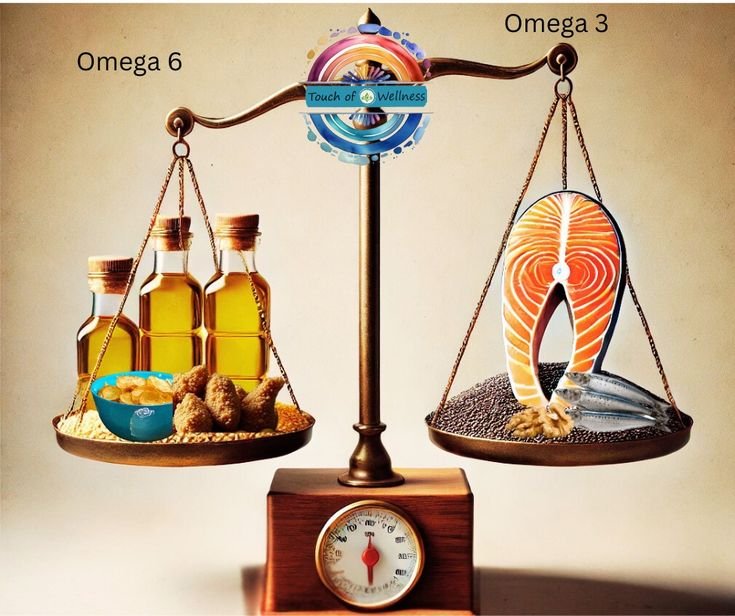
Understanding Omega-3 and Omega-6 Fatty Acids
Omega-3 and omega-6 fatty acids are essential polyunsaturated fats that play crucial roles in various physiological processes within the human body. These fats cannot be produced endogenously and must be obtained through dietary sources. Omega-3 fatty acids can be categorized into three primary types: alpha-linolenic acid (ALA), eicosapentaenoic acid (EPA), and docosahexaenoic acid (DHA). ALA is commonly found in plant-based sources such as flaxseed, chia seeds, and walnuts, whereas EPA and DHA are primarily present in fatty fish like salmon, mackerel, and sardines. The biological functions of omega-3 fatty acids include reducing inflammation, supporting cardiovascular health, and contributing to brain development and function.
Thank you for reading this post, don't forget to subscribe!Conversely, omega-6 fatty acids consist mainly of linoleic acid (LA) and arachidonic acid (ARA). LA is prevalent in vegetable oils, nuts, and seeds, while ARA can be synthesized from LA and is also found in animal products. Omega-6 fatty acids are essential for promoting cell structure and function, and they play a significant role in inflammatory response. However, maintaining a balance between omega-6 and omega-3 intake is critical, as an excessive omega-6 consumption can promote inflammation and is associated with various chronic diseases.
The different fatty acids serve distinct yet complementary roles in the body, highlighting the importance of both omega-3 and omega-6 in a well-balanced diet. While omega-3 fatty acids are generally known for their anti-inflammatory properties, omega-6 fatty acids can promote inflammation, which is necessary for the body’s healing process. It is imperative to maintain an appropriate ratio of these fats in the diet to support optimal health outcomes.
The Importance of the Omega-3 to Omega-6 Ratio
The omega-3 to omega-6 ratio is a critical aspect of modern nutrition that can significantly influence overall health. Omega-3 and omega-6 fatty acids are both essential fats that play crucial roles in bodily functions, yet they must be consumed in proper proportions for optimal health. The typical Western diet, rich in processed foods and vegetable oils, tends to be disproportionately high in omega-6 fatty acids while being deficient in omega-3s. This imbalance can lead to various health issues, particularly inflammation and other chronic diseases.
Statistical data illustrates this concerning trend. Studies have shown that the ratio of omega-6 to omega-3 fatty acids in the average Western diet ranges from 15:1 to 20:1, and in some cases, even higher. This stark imbalance is not just a trivial dietary detail; it carries significant health implications. Aiming for a ratio closer to 4:1 or even 1:1 is thought to promote better health outcomes, reducing the risks associated with chronic illnesses such as heart disease, diabetes, and certain cancers.
Furthermore, research indicates that excess omega-6 consumption can lead to increased production of pro-inflammatory compounds, which may contribute to chronic inflammation. This inflammation is recognized as a key factor in the development and progression of various diseases. Conversely, omega-3 fatty acids possess anti-inflammatory properties that can counteract these negative effects, thereby illustrating the need for a balanced intake.
To emphasize the importance of this balance, individuals are encouraged to increase their omega-3 intake through dietary sources such as fatty fish, flaxseeds, and walnuts, while simultaneously reducing their reliance on omega-6 rich processed foods. This nutritional adjustment can be a proactive step towards promoting long-term health and reducing the risk of various chronic conditions.
Health Benefits of Optimizing Omega Ratios
Maintaining an optimal omega-3 to omega-6 ratio is crucial for overall health, primarily due to the distinct roles these essential fatty acids play in bodily functions. An improper balance can lead to various health issues, while the right ratio can significantly enhance well-being.
One of the most notable benefits of a balanced omega ratio is its impact on cardiovascular health. Research indicates that an increased intake of omega-3 fatty acids can lower blood pressure, reduce triglycerides, and decrease the risk of heart disease. A study published in the Journal of Nutrition demonstrated that participants who consumed an omega-3-rich diet exhibited marked improvements in their heart health indicators, highlighting the protective role of omega-3s.
Furthermore, the brain relies heavily on omega-3s for optimal functioning. Regular consumption of these fatty acids is associated with improved cognitive function, memory retention, and even mood stabilization. A review in the American Journal of Clinical Nutrition pointed out that individuals with higher omega-3 levels tend to have lower rates of cognitive decline, indicating that these fats are paramount for neurological health.
Additionally, omega-3s possess significant anti-inflammatory properties. They counteract the pro-inflammatory effects of omega-6 fatty acids, thus playing a vital role in reducing chronic inflammation in the body. This attribute not only aids in alleviating conditions such as arthritis but also lowers the risk of developing inflammatory diseases, including diabetes and certain cancers.
While optimizing omega ratios is essential, it is equally important to approach dietary changes through a balanced diet. Incorporating sources of omega-3 such as fatty fish, flaxseeds, and walnuts can help achieve a favorable omega balance. Ultimately, prioritizing the right omega-3 to omega-6 ratio can lead to significant health improvements, influencing everything from heart health to cognitive function.
How to Achieve a Healthier Omega Ratio in Your Diet
Achieving a healthier balance between omega-3 and omega-6 fatty acids is key to optimizing your overall health. This balance can be attained through mindful dietary choices and incorporating specific foods into your meals.
First and foremost, consider increasing your intake of omega-3-rich foods. Fatty fish such as salmon, mackerel, and sardines are excellent sources. For vegetarians or those who prefer plant-based options, flaxseeds, chia seeds, and walnuts provide substantial omega-3 fatty acids. Aim for at least two servings of fatty fish per week or include plant-based sources daily in your smoothies or salads.
In addition to enhancing omega-3s, it is crucial to reduce omega-6 intake. Omega-6 fatty acids are prevalent in many processed foods and oils such as soybean oil, corn oil, and sunflower oil. Limiting these oils in your cooking and choosing healthier alternatives like olive oil or avocado oil can significantly improve your omega ratio. Moreover, try to avoid highly processed snacks and fast foods, as these typically contain high levels of omega-6s.
Another beneficial approach is to consider omega-3 supplements, particularly fish oil or algal oil for vegetarians. However, it is advisable to discuss supplementation with a healthcare provider to oversee appropriate dosages and avoid potential interactions with medications.
Meal planning can also play a role in achieving a healthier omega ratio. Try incorporating recipes like grilled salmon with a side of quinoa and spinach, or a chia seed pudding topped with fresh berries. These meals not only combine flavorful ingredients but also work to balance your omega intake effectively.
Ultimately, being aware of the foods you consume and making conscious choices can lead to a favorable omega ratio, promoting better health and well-being.

