
The Importance of Hydration
Hydration is essential for maintaining overall health and well-being. Water is a vital component of the human body, making up approximately 60% of body weight. The various roles that water plays in bodily functions are complex and multifaceted. One of its primary functions is regulating body temperature. Through processes such as sweating and respiration, adequate hydration ensures that individuals can effectively manage their body temperature, particularly during physical exertion or in hot environments.
Thank you for reading this post, don't forget to subscribe!Moreover, water is key in maintaining joint lubrication, serving as a cushioning agent that aids in the movement and functioning of joints. This protective aspect of hydration can help prevent discomfort and injuries during physical activity. Additionally, water plays a crucial role in transporting nutrients through the bloodstream and facilitating their absorption and utilization within cells. This nutrient transport is vital for optimal bodily function, supporting everything from energy production to immune responses.
Water also significantly aids in digestion. It is needed for the breakdown of food and assists in the absorption of nutrients within the gastrointestinal tract. Inadequate fluid intake can lead to various digestive issues, including constipation and indigestion, which can negatively impact one’s quality of life.
On the other hand, dehydration can have serious consequences for health. Symptoms can include dry mouth, fatigue, dizziness, and decreased urine output, but severe dehydration can escalate to more serious issues such as heat exhaustion or kidney dysfunction. Recognizing the signs of dehydration is crucial; these can range from thirst and dark-colored urine to confusion in extreme cases. Understanding the importance of hydration and its myriad impacts on bodily functions highlights the necessity of an adequate daily water intake to maintain optimal health.
Factors Influencing Water Needs
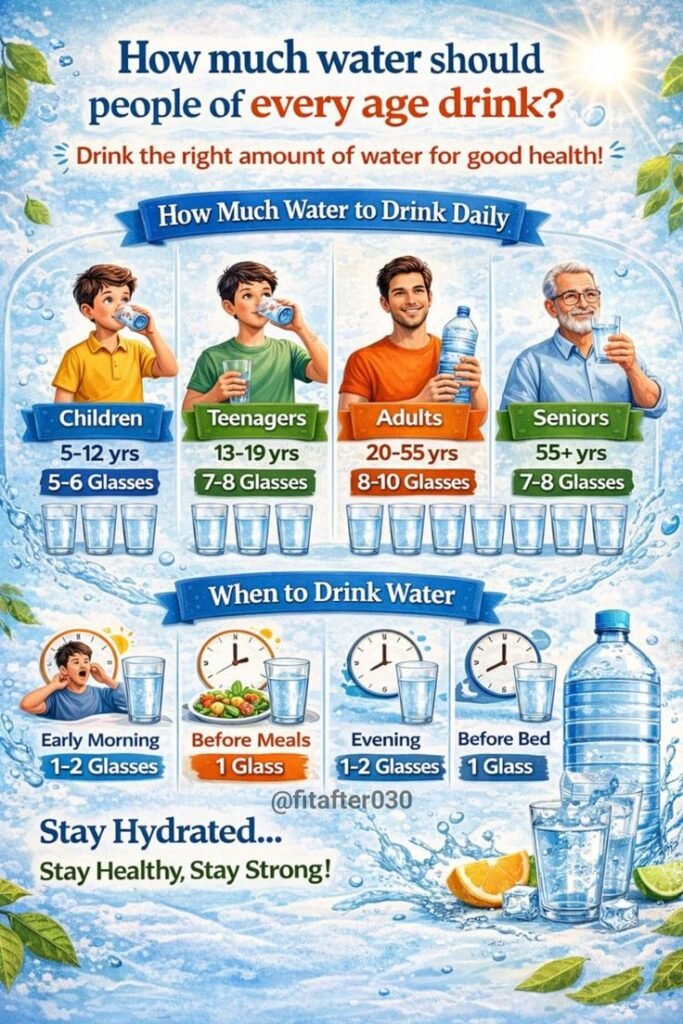
Understanding the factors that influence individual water needs is crucial for determining appropriate hydration levels. One of the primary aspects to consider is age. Infants and children require relatively high amounts of water for their developmental needs, while older adults may have diminished thirst sensations, thus affecting their hydration status. As a result, varying age groups can necessitate different daily water intake recommendations.
Gender also plays a significant role in daily water needs. Generally, men tend to have higher water requirements than women due to differences in body composition. Men usually have a higher muscle mass and lower body fat percentage, which contributes to a greater water retention. Consequently, hydration recommendations are often tailored to accommodate these gender disparities.
Another influential factor is a person’s activity level. Those who engage in regular physical exercise or have demanding jobs tend to lose more water through sweat, necessitating an increase in hydration to replenish lost fluids. Similarly, people participating in high-intensity workouts or endurance events should pay close attention to their hydration to optimize performance and recovery.
The climate in which an individual resides is also essential when considering water needs. Hot and humid conditions increase fluid loss through perspiration, thereby increasing daily requirements. Conversely, colder, dryer climates may lead to significant water loss through respiration, making proper hydration still important. Environmental considerations play a vital role in determining how much water one truly needs on a daily basis.
Overall health status significantly influences water intake needs as well. Certain medical conditions and medications can affect hydration; for instance, individuals with diabetes or kidney-related issues may require specialized hydration guidance. Therefore, understanding these factors helps to highlight that a universal recommendation does not suffice when addressing hydration needs.
Guidelines for Daily Water Intake
Determining the appropriate amount of water to drink on a daily basis can vary widely depending on various factors, including age, sex, climate, and physical activity levels. Organizations such as the National Academies of Sciences, Engineering, and Medicine offer general guidelines, suggesting an adequate intake of around 3.7 liters (or 13 cups) per day for men and 2.7 liters (or 9 cups) per day for women. This total encompasses all beverages and food sources, highlighting that hydration does not solely rely on drinking plain water.
One common recommendation is the ‘8×8 rule,’ which advocates for drinking eight 8-ounce glasses of water daily, equivalent to about 2 liters, or half a gallon. While this is a straightforward guideline, some experts argue that it might not adequately account for individual variations. For instance, those living in hotter climates or engaging in higher levels of physical activity may require significantly more fluids to maintain proper hydration.
Moreover, factors such as diet can play a critical role in hydration. Foods with high water content, like fruits and vegetables, can contribute to a person’s daily water intake. Consequently, it is essential to tailor general recommendations to one’s specific circumstances. For example, pregnant or breastfeeding women typically need additional fluids to support their health and the well-being of their children. Similarly, older adults may also require reminders to hydrate, as the sensation of thirst diminishes with age.
In conclusion, while standard guidelines provide a useful framework for assessing daily water needs, it is crucial for individuals to listen to their bodies and adjust their intake accordingly, ensuring they remain adequately hydrated based on their unique lifestyle requirements.
Hydration Beyond Water
While water is often emphasized as the primary source of hydration, it is important to recognize that various foods and beverages can also contribute significantly to our overall fluid intake. Many fruits and vegetables are inherently high in water content, making them excellent complementary sources of hydration. For instance, cucumbers, watermelon, and oranges can contain up to 90% water by weight. Incorporating these hydrating foods into your diet can enhance your moisture levels, especially in hot weather or while engaging in physical activities.
Additionally, beverages such as herbal teas, which are not only flavorful but also hydrating, can play a significant role in maintaining proper hydration. These caffeine-free options provide an alternative way to consume fluids and may offer additional health benefits due to their antioxidant properties. Furthermore, broths and soups are also notable for their hydration potential. The combination of liquid and solid components in these dishes allows for a delightful means of hydration that can be especially appealing in cooler months.
It is important to consider whether these food and beverage options should be included in the calculation of daily fluid intake. Nutrition experts often suggest that the water content of fruits and vegetables, as well as hydrating foods like soups, can contribute to overall hydration. However, individuals should still be mindful of their water consumption habits, as it remains a key player in maintaining optimal hydration levels. Monitoring hydration should encompass a holistic view, taking into account all sources of fluid intake rather than solely focusing on drinking water.

