
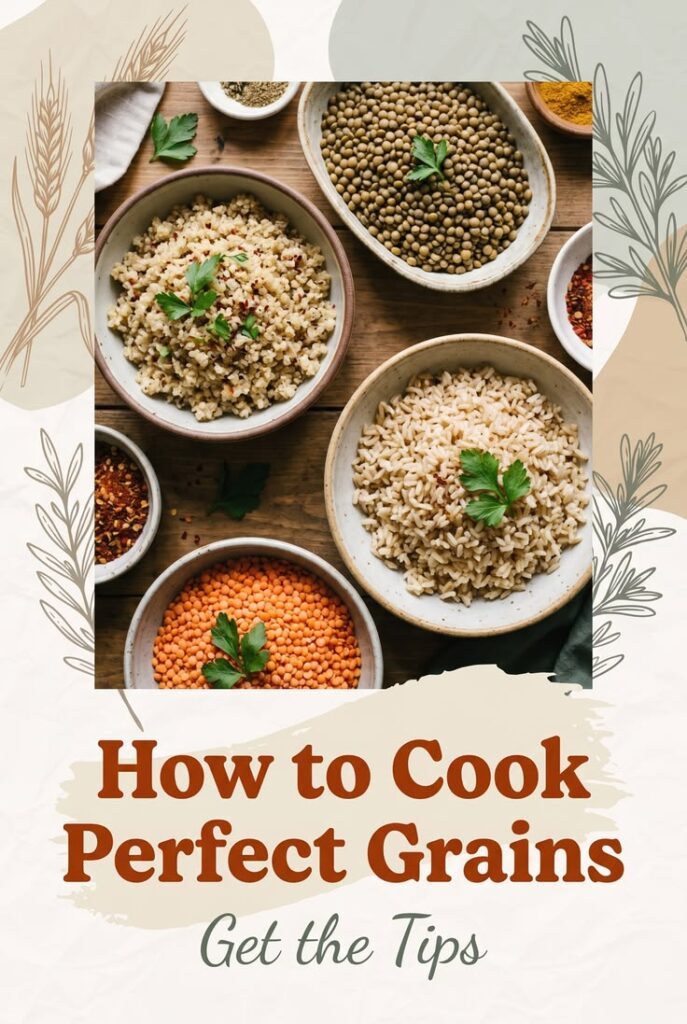
Understanding Whole Grains: The Basics
Whole grains are cereal grains that retain the bran, germ, and endosperm, making them a more nutritious choice compared to refined grains. Unlike their refined counterparts, which are stripped of essential nutrients during processing, whole grains maintain their natural composition, providing a range of health benefits.
Thank you for reading this post, don't forget to subscribe!Some common examples of whole grains include brown rice, quinoa, barley, oat groats, farro, and whole wheat. Each of these grains possesses unique flavors and textures, lending versatility to various culinary applications. For instance, brown rice has a nutty taste and chewy texture, while quinoa is prized for its fluffy consistency and slightly crunchy bite. Barley, on the other hand, is known for its rich, robust flavor that enhances soups and stews.
Nutritional benefits of whole grains are significant. They are generally higher in fiber, vitamins, and minerals compared to refined grains. Consuming whole grains has been associated with numerous health benefits, including a reduced risk of heart disease, diabetes, and certain types of cancer. The dietary fiber content in whole grains also aids digestion and promotes feelings of fullness, making them a valuable addition to a balanced diet.
It is important to note that cooking whole grains often requires different techniques and cooking times than refined grains. For example, some grains may need to be soaked prior to cooking to enhance their digestibility or reduce cooking time. Others may require specific water-to-grain ratios or cooking methods, such as simmering, steaming, or baking, to achieve optimal texture and flavor. Understanding these distinctions is essential for anyone looking to prepare whole grains perfectly.
Essential Cooking Techniques for Whole Grains
Cooking whole grains may seem daunting, but mastering a few essential techniques will allow for perfect results every time. Understanding the various methods, including boiling, simmering, soaking, and pressure cooking, is fundamental to achieving optimal texture and flavor.
Boiling is one of the most straightforward methods for cooking whole grains such as brown rice and quinoa. To boil, start by rinsing the grains under cold water to remove excess starch. Use a ratio of 2 cups of water for every 1 cup of grains. Bring the water to a rolling boil, add the rinsed grains, and stir briefly. Reduce the heat to a simmer and cook for about 45-50 minutes for brown rice, or 15-20 minutes for quinoa, until the grains are tender and the water is absorbed.
Simmering is ideal for cooking grains like barley or farro. Similar to boiling, the grains should be rinsed before cooking. However, this method uses lower heat to gently cook the grains without rapid agitation. For most grains, use a 3:1 water-to-grain ratio. Bring the liquid to a gentle simmer, cover, and allow to cook for 30-60 minutes depending on the grain type, checking periodically until the desired tenderness is achieved.
Soaking is a technique often employed to enhance the digestibility and reduce cooking time for denser grains such as wheat berries and chickpeas. Soak grains in water overnight, using at least twice the volume of water compared to grains. After soaking, drain and rinse the grains, then cook them using the boiling or simmering method, but reduce the cooking time by 30%.
Pressure cooking is a time-efficient method perfect for tougher grains like millet or buckwheat. Combine grains and water in the pressure cooker using a 1:2 ratio for softer grains and 1:3 for denser types. Seal the cooker and cook on high pressure for approximately 10-15 minutes, then allow for a natural release. This method not only saves time but also preserves the rich flavors and nutrients in the grains.
Common Mistakes When Cooking Whole Grains
Cooking whole grains can sometimes be a challenging endeavor due to a variety of common mistakes that people often make. One of the first errors occurs during the rinsing process. While rinsing is not always necessary, particularly for some grains, neglecting to remove any residual debris or dust can affect the taste and texture. Always ensure to rinse grains such as quinoa or farro under running water until the water runs clear, as this helps to remove any bitter saponins.
Another frequent mistake involves the water-to-grain ratio used during cooking. Each type of whole grain has a specific requirement, and failing to adjust water levels accordingly can lead to undercooked or overly mushy grains. For example, cooking brown rice generally requires a 2:1 water-to-grain ratio, whereas farro may need a little more water. It is advisable to always check packaging instructions or reliable cooking resources for specific guidance on water amounts when preparing your whole grains.
Additionally, many home cooks neglect the importance of soaking whole grains. Soaking not only helps to shorten cooking time but can also improve the digestibility of the grains. For instance, grains like lentils and chickpeas benefit significantly from soaking overnight. If time permits, consider incorporating a pre-soaking step to enhance the cooking process and improve the overall texture.
To avoid these pitfalls in cooking whole grains, meticulous preparation is key. Selecting the correct rinsing method, mindful measuring of water, and remembering to soak when necessary will lead to delicious, perfectly cooked grains every time. With these tips, readers can reduce mistakes and improve their culinary experience with whole grains.
Flavoring and Serving Whole Grains
Whole grains are not only nutritious but also versatile ingredients that can serve as a flavorful foundation for various dishes. To enhance the flavor of your whole grains, consider the technique of toasting them prior to cooking. By lightly toasting whole grains such as quinoa, barley, or bulgur in a dry skillet for a few minutes, you can develop a nutty flavor that elevates the dish significantly.
In addition to toasting, incorporating herbs and spices during the cooking process will transform the taste of whole grains. Common options include adding garlic, onion, and bay leaves to the cooking water or broth. Spices such as cumin, coriander, and smoked paprika can introduce warm and earthy tones. Experimenting with different herb combinations, such as fresh rosemary or thyme, can also lead to exciting flavors, aligning the dish with your personal preferences.
Moreover, instead of cooking grains in plain water, consider using vegetable or chicken broth. This technique infuses additional flavor, creating a more savory base for your entire dish. For an even richer result, adding sautéed vegetables—such as bell peppers, carrots, or spinach—during the cooking process can further enhance the flavor profile and add texture to the grains.
When it comes to serving ideas, consider creating a hearty grain bowl by layering cooked whole grains with various toppings. Ingredients such as roasted vegetables, grilled chicken, feta cheese, and a drizzle of tahini or balsamic glaze not only add taste but also visual appeal. Incorporating whole grains into salads, soups, or casseroles can provide satisfying and healthy meal options. Using these flavoring techniques and serving ideas will ensure that whole grains become an inviting part of your culinary repertoire.

