
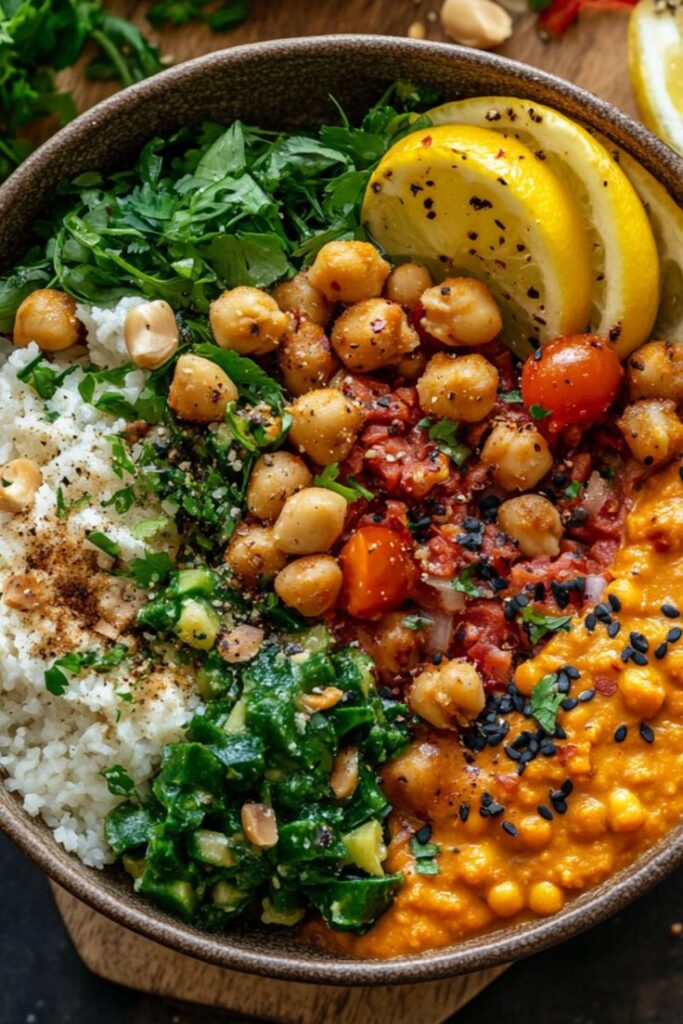
Understanding High-Protein Vegetarian Foods
High-protein vegetarian foods are essential for individuals seeking to maintain a balanced diet, particularly for those who typically rely on animal products for their protein intake. Protein is a crucial macronutrient that plays an integral role in muscle repair, hormone production, and overall health. While non-vegans may derive their protein from meat and dairy, vegetarians can obtain adequate amounts from a variety of plant-based sources.
Thank you for reading this post, don't forget to subscribe!Legumes, such as lentils and chickpeas, are among the richest sources of protein available. A single cup of cooked lentils contains approximately 18 grams of protein, making them a formidable competitor against animal protein. Additionally, beans and peas contribute to this category, with black beans and kidney beans also offering substantial amounts of protein per serving. Incorporating these legumes into meals not only boosts protein levels but also provides essential fiber and other nutrients.
Nuts and seeds are another excellent source, often celebrated for their healthy fats alongside protein. For instance, almonds and chia seeds are particularly high in protein, with about 6 grams and 5 grams per ounce respectively. They also add texture and flavor to various dishes, enhancing both taste and nutritional value.
Whole grains like quinoa and farro also contribute valuable protein content, making them a versatile addition to any meal. Quinoa, for example, is unique among grains for being a complete protein, meaning it contains all nine essential amino acids the body cannot produce on its own.
Dairy alternatives, such as soy and almond milk, are fortified with protein and ensure that individuals who avoid animal-based dairy do not miss out on this important nutrient. By diversifying their diets with these high-protein vegetarian options, even non-vegans can enjoy various benefits, including improved digestion, increased energy levels, and enhanced overall health.
Delicious High-Protein Vegetarian Meal Ideas
High-protein vegetarian meals can be both delicious and satisfying, catering to the palates of non-vegans while promoting a healthy lifestyle. One easy option for breakfast is a spinach and feta omelet. This dish combines eggs, which are already a great source of protein, with nutrient-rich spinach and tangy feta cheese. Additionally, a sprinkle of nutritional yeast can enhance the cheesy flavor while adding a few extra grams of protein.
For lunch, consider preparing a hearty chickpea salad. By mixing canned or cooked chickpeas with diced cucumbers, tomatoes, and a zesty lemon-tahini dressing, you create a protein-packed meal that is both refreshing and filling. Chickpeas offer approximately 15 grams of protein per cup, making this salad a great option for a mid-day boost.
At dinner, lentil tacos present an excellent high-protein vegetarian choice. Simply cook lentils with taco seasoning and serve them in corn tortillas, topped with avocado, salsa, and shredded cheese. With about 18 grams of protein per cup, lentils are a fantastic meat alternative, satisfying both hunger and flavor cravings.
Snacks are also an opportunity to include protein in your diet. A high-protein smoothie can be whipped up easily by blending your favorite fruits with Greek yogurt or plant-based protein powder. This combination not only provides a refreshing treat but also garners an impressive protein content that keeps you energized throughout the day.
These meal ideas highlight the diverse and delectable choices available within high-protein vegetarian cuisine. Embracing these options can be beneficial for everyone, regardless of their dietary preferences. By incorporating meals rich in protein and other essential nutrients, non-vegans can enjoy satisfying vegetarian dishes without forgoing flavor or nutrition.
The Benefits of Incorporating More Vegetarian Meals into Your Diet
Integrating high-protein vegetarian meals into one’s diet offers numerous benefits, particularly for non-vegans seeking to enhance their overall health. One of the most notable advantages is improved heart health. Diets rich in plant-based proteins are often lower in saturated fats and cholesterol, which can significantly reduce the risk of cardiovascular disease. Nutritionists recommend incorporating legumes, beans, and whole grains, which not only provide protein but also contribute to heart-protective nutrients.
Another essential aspect is the lower carbon footprint associated with vegetarian meals. By consuming more plant-centric dishes, individuals actively contribute to reducing greenhouse gas emissions. This shift is crucial in combating climate change, making vegetarian meals not only a personal health choice but also a societal responsibility.
In addition, many individuals report better digestion and increased energy levels upon consuming high-protein vegetarian foods. Ingredients such as lentils, chickpeas, and quinoa are excellent sources of fiber, promoting gut health and aiding in regular digestion. Furthermore, with a higher intake of complex carbohydrates and proteins, individuals often experience sustained energy throughout the day, avoiding the midday slump often caused by heavy meat-based meals.
Insights from nutritionists suggest that merely adding a few vegetarian meals per week can lead to significant improvements in overall well-being. For example, a registered dietitian notes, “Incorporating plant-based meals can diversify nutrient intake while still allowing for the enjoyment of meat. It’s about balance and recognizing that plant proteins can complement traditional diets quite effectively.”In conclusion, the integration of high-protein vegetarian meals fosters not only individual health benefits but also positive environmental impacts, making it a sound dietary choice for non-vegans.
Tips for Transitioning to a High-Protein Vegetarian Diet
For non-vegans considering the introduction of high-protein vegetarian meals into their diets, planning and preparation play crucial roles in a smooth transition. One effective strategy is meal planning. By dedicating time each week to organize meals, individuals can ensure that they include a variety of protein-rich foods consistently. Incorporating legumes, lentils, quinoa, and tofu into your meal plans can significantly contribute to meeting protein needs while enhancing nutritional variety.
Ingredient substitution is another valuable strategy for integrating high-protein vegetarian options. For example, replacing meat in favorite recipes with chickpeas, quinoa, or tempeh not only boosts protein content but also maintains the dish’s heartiness. Explore recipes that use ingredients like black beans, edamame, and Greek yogurt to enrich meals further.
Grocery shopping can also be optimized by focusing on whole foods that are rich in plant-based proteins. Make a list of high-protein vegetarian staples to keep in stock, such as nuts, seeds, eggs, and dairy options if not strictly vegan. This ensures that nutritious ingredients are readily available, making it easier to whip up a protein-packed meal.
Maintaining a balanced diet is essential when transitioning to vegetarian eating habits. Ensure your meals are not only high in protein but also include healthy fats and carbohydrates from whole food sources like whole grains, fruits, and vegetables. This balanced approach supports overall health and helps sustain energy levels.
Common concerns, such as meeting adequate protein intake, can be addressed by being mindful of portion sizes and diversifying protein sources. Experiment with different high-protein vegetarian meals to keep your diet interesting and enjoyable. Trying new recipes or cuisines can enhance variety and prevent monotony in everyday eating habits.
In summary, transitioning to a high-protein vegetarian diet requires thoughtful meal planning, ingredient substitutions, and a focus on nutritional balance. By being proactive and adventurous in the kitchen, individuals can seamlessly integrate high-protein vegetarian meals into their routines and enjoy a satisfying and diverse diet.

