
Understanding Buddha Bowls: The Essentials
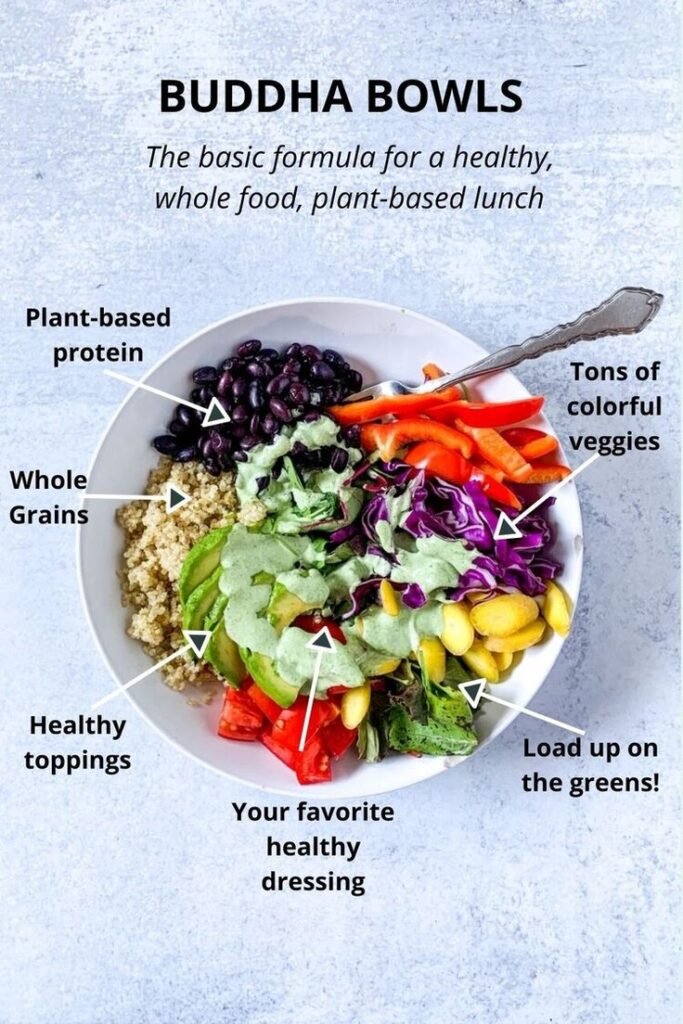
Buddha bowls have gained immense popularity in the culinary world, celebrated for their vibrant presentation and nutritional completeness. This composed meal typically features a variety of ingredients arranged in a single bowl, often focusing on health and balance. At their core, Buddha bowls consist of several essential components: grains, proteins, vegetables, and dressings. These elements collectively contribute to a well-rounded meal that is both nourishing and satisfying.
Thank you for reading this post, don't forget to subscribe!To create a balanced Buddha bowl, one should start with a base of whole grains. Options such as quinoa, brown rice, or farro provide necessary carbohydrates and fiber, establishing a hearty foundation. Next, a source of protein is essential for maintaining energy levels and supporting muscle health. Legumes like chickpeas or lentils, as well as tofu or grilled chicken, are excellent choices that cater to both vegetarians and meat-eaters alike.
Vegetables play a crucial role in Buddha bowls, offering an array of colors, textures, and vital nutrients. Raw or roasted, leafy greens, colorful bell peppers, and nutrient-rich vegetables like sweet potatoes or broccoli can enhance the overall visual appeal while contributing chemical compounds crucial for health. The incorporation of healthy fats, such as avocado or a sprinkle of seeds and nuts, further elevates nutritional value.
Finally, dressings tie all components together, providing flavor and moisture. Options range from vinaigrettes to creamy tahini blends, allowing endless customization. One of the significant advantages of Buddha bowls lies in their flexibility; they can be tailored to meet various dietary preferences, whether vegan, gluten-free, or packed with protein. This versatility ensures that anyone can enjoy a Buddha bowl that aligns with their unique nutritional requirements.
Quick and Easy Ingredients for Your Buddha Bowl
Creating a nutritious Buddha bowl does not require extensive cooking skills or time-consuming preparations. Instead, it hinges on a selection of quick-cooking grains, versatile proteins, and an array of fresh or roasted vegetables. One of the most efficient grains to include in your Buddha bowl is quinoa, which cooks swiftly in about 15 minutes. Alternatively, brown rice and farro are excellent options that provide fiber and are readily available.
When it comes to proteins, opting for pre-cooked options can greatly reduce your meal prep time. Canned chickpeas offer an excellent source of plant-based protein. Simply rinse and they are ready to be tossed into your bowl. Tofu is another pre-cooked protein that can be easily incorporated; whether crumbled or cubed, it serves as a satisfying addition to any Buddha bowl. You might also consider using pre-cooked lentils, as they not only bring nutrition but also texture to your dish.
Vegetables can be both fresh and cooked, offering a myriad of flavors and nutrients. Leafy greens such as spinach or kale can be added raw for a crisp texture, while steamed broccoli, roasted sweet potatoes, or sautéed bell peppers are delightful warm options. Consider adding cucumbers or radishes for crunch, and avocados for creaminess. The combination of these ingredients will ensure your Buddha bowl is not only nutritious but also visually appealing.
Lastly, to elevate the flavors in your bowl, incorporate simple dressings like a lemon-tahini concoction or a balsamic vinaigrette. These dressings can be prepared in minutes and complement the ingredients beautifully. By focusing on accessibility and ease of preparation, creating a delicious Buddha bowl in just 15 minutes is very achievable.
Steps to Assemble Your Buddha Bowl
Creating a nutritious Buddha bowl in just 15 minutes is entirely feasible with careful planning and execution. Start by choosing a base grain, such as quinoa, brown rice, or farro. If you opt for quinoa, which cooks in approximately 15 minutes, rinse it thoroughly, and bring it to a boil with water. This should be done initially, as it will take the longest. Alternatively, if you have pre-cooked grains or leftovers from a previous meal, you can skip this step and save time.
While the grain is cooking, prepare your protein component. Options might include beans (such as chickpeas or black beans), grilled chicken, or tofu. If you’re using canned beans, be sure to drain and rinse them to remove excess sodium. For a plant-based option, pan-searing tofu adds a delightful texture. Take these steps concurrently to maximize efficiency.
Next, move on to your vegetables. Fresh vegetables such as spinach, kale, or mixed greens can be used raw, while others like broccoli or bell peppers can be quickly steamed. A microplane or a food processor can make grating, chopping, or slicing vegetables a quicker task, enhancing your preparation speed. Consider incorporating a variety of colors and textures to elevate the visual appeal and nutritional value of your bowl.
Once your grains, proteins, and vegetables are ready, it’s time to assemble your Buddha bowl. In a large bowl, layer your base of grains first. Add your protein choice next, followed by the vegetables. The arrangement allows for an appealing presentation and easy mixing by the eater. For a final touch, sprinkle seeds, nuts, or a drizzle of dressing to enhance flavor. Remember that efficiency in this assembly will create a dish rich in nutrients and taste, emphasizing the versatility of the Buddha bowl in meal preparation.
Customizing Your Buddha Bowl
Buddha bowls are inherently versatile, making them an excellent choice for those seeking to tailor meals to their individual tastes or dietary restrictions. One of the primary ways to customize your Buddha bowl is by selecting a variety of base ingredients. While grains like quinoa, brown rice, or farro provide a hearty foundation, alternatives such as cauliflower rice or mixed greens can appeal to those following a low-carb or gluten-free diet.
In terms of protein options, you can transform your bowl based on your preferences by incorporating beans, chickpeas, tofu, or tempeh. For an omnivorous version, grilled chicken, fish, or hard-boiled eggs can easily elevate your meal. Additionally, adjusting your toppings can significantly affect both flavor and nutrition—consider roasted vegetables, fresh herbs, or nuts and seeds to add texture and complexity. Remember that flavor adjustments can integrate elements like sauces or dressings; tahini, balsamic vinaigrette, or a spicy sriracha can enhance the overall experience.
Storage Tips for Meal Prep
To maximize the convenience of Buddha bowls, effective storage and meal prep strategies are essential. Preparing multiple servings at once can save time during the week. To do this, portion out your base, protein, vegetables, and toppings into separate containers to maintain freshness. When meal prepping, it’s crucial to consider storage duration—most cooked grains can last up to a week in the fridge, while protein options like chicken or tofu are best consumed within three to four days.
Avoid adding dressings until you are ready to consume your Buddha bowl, as this keeps the ingredients from becoming soggy. Additionally, consider using airtight containers to preserve the texture and flavor of your meal components. With mindful customization and thoughtful storage, you can enjoy a nutritious Buddha bowl throughout the week with minimal effort.

