
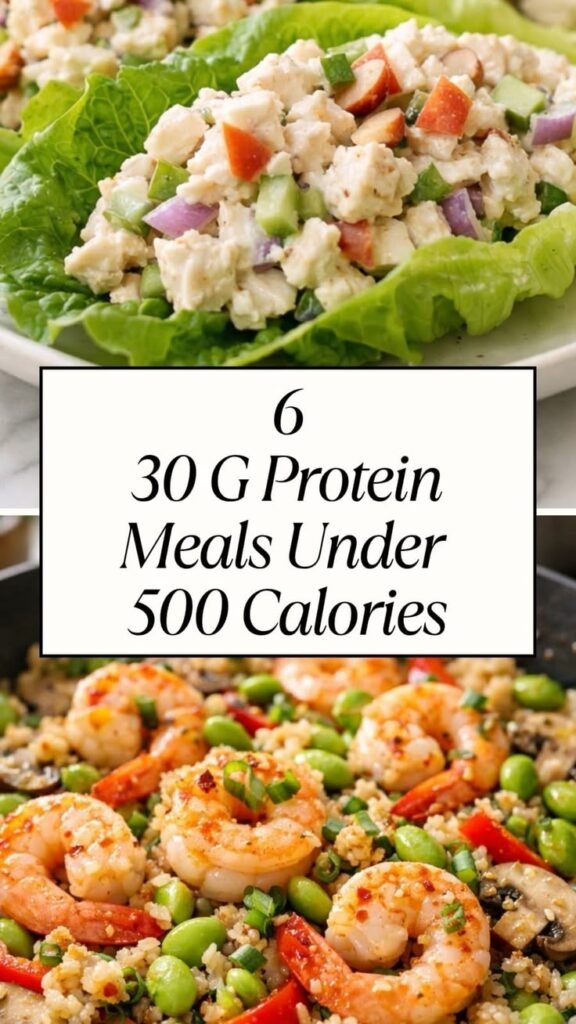
Introduction to One-Pan Dinners
In today’s fast-paced world, preparing wholesome meals during busy weeknights can often feel like a daunting task. This is where the concept of one-pan dinners comes into play, offering a practical solution for those juggling multiple responsibilities. One-pan dinners are exactly what the name suggests—culinary creations that are cooked in a single pan, thereby streamlining the cooking process and minimizing the time required for meal preparation.
Thank you for reading this post, don't forget to subscribe!The convenience of one-pan dinners is unparalleled; they allow for the efficient cooking of a full meal in minimal time. By using just one pan, home cooks can simplify their kitchen routines significantly, reducing both preparation and cleanup time. This not only leads to less stress but also provides the opportunity to enjoy more time with family or engage in other evening activities. Moreover, the method promotes the harmonious blending of flavors, as all ingredients cook together, infusing the dish with a cohesive taste that is often irresistible.
An additional advantage of one-pan dinners is the ability to keep meals within a healthy calorie range. Keeping meals under 500 calories is essential for maintaining a balanced diet and promoting overall wellness. Dishes prepared with attention to portion control can aid in weight management and support healthier eating habits. This aspect is particularly vital for individuals who may be navigating busy schedules yet still wish to prioritize nutrition. Overall, one-pan dinners present a simple yet effective approach to meal preparation, enabling busy individuals to savor nutritious and delicious meals without the burdensome cleanup that typically accompanies traditional cooking methods.
Benefits of Cooking Under 500 Calories
Preparing meals that contain fewer than 500 calories offers several advantages, particularly in terms of weight management and nutritional balance. A significant benefit of these meals is the ability to facilitate weight loss, as they promote portion control without sacrificing essential nutrients. By consuming lower calorie meals, individuals can create a calorie deficit, which is a key factor in losing weight effectively.
Furthermore, cooking under 500 calories encourages the inclusion of a variety of food groups. This approach aligns with dietary guidelines that recommend a balanced intake of fruits, vegetables, lean proteins, and whole grains. Not only does this improve overall health, but it also helps ensure that individuals receive the vitamins and minerals their bodies require to function optimally. Meals constructed within this calorie range can be enriched with fiber and protein, both of which are essential for maintaining energy levels and promoting feelings of fullness.
Additionally, meals prepared under this calorie constraint can accommodate various dietary needs easily. Whether someone is following a specific diet, such as keto, vegan, or Mediterranean, there are numerous options available that comply with these requirements while keeping the calorie count low. This versatility allows for creative culinary expressions that cater to different palates and preferences.
It is also worth noting that meals under 500 calories can remain delicious and satisfying. By employing herbs, spices, and cooking techniques that enhance flavors, one can create dishes that are both appealing and nutritious. Thus, individuals do not have to compromise on taste while adhering to a lower calorie regimen. Overall, cooking under 500 calories supports healthy eating patterns, making it a practical choice for busy weeknights without sacrificing quality or flavor.
One-Pan Dinner Recipes
Finding quick, delicious, and healthy meals can be a challenge, especially on busy weeknights. Here are six one-pan dinner recipes that are not only easy to prepare but also each contain under 500 calories, making them perfect for a nutritious dinner.
1. Lemon Herb Grilled Chicken
Ingredients: 2 chicken breasts, 1 lemon (juiced), 2 tablespoons olive oil, 1 teaspoon dried oregano, salt and pepper, and 1 cup mixed veggies (bell peppers, zucchini).
Instructions: In a bowl, combine lemon juice, olive oil, oregano, salt, and pepper. Marinate the chicken for 30 minutes. Heat a pan, grill the chicken until cooked through (about 6 minutes each side). Add the veggies to the pan and sauté until tender. Nutritional information: approximately 400 calories.
2. Quinoa Stir-Fry
Ingredients: 1 cup cooked quinoa, 1 cup mixed vegetables (broccoli, carrots, peas), 2 tablespoons soy sauce, and 1 tablespoon sesame oil.
Instructions: Heat sesame oil in a pan, add mixed vegetables and sauté for 5 minutes. Stir in quinoa and soy sauce; cook until heated through. Nutritional information: about 350 calories.
3. Shrimp and Spinach Skillet
Ingredients: 1 pound shrimp, 2 cups spinach, 2 garlic cloves (minced), 1 tablespoon olive oil, and juice of 1 lemon.
Instructions: In a pan, heat olive oil and garlic, add shrimp and cook until pink. Stir in spinach until wilted. Drizzle with lemon juice. Nutritional information: around 300 calories.
4. One-Pan Vegetable Curry
Ingredients: 1 can coconut milk, 2 cups assorted vegetables (cauliflower, carrots, peas), 2 tablespoons curry paste, and cooked rice to serve.
Instructions: Combine all ingredients in a pan and simmer for 20 minutes until vegetables are tender. Serve with cooked rice. Nutritional information: approximately 450 calories.
5. Spicy Tofu and Broccoli
Ingredients: 1 block firm tofu (cubed), 2 cups broccoli, 2 tablespoons spicy sauce, and 1 tablespoon olive oil.
Instructions: Heat oil in a pan, add tofu until golden. Add broccoli and sauté for 5 minutes, then pour in the spicy sauce. Nutritional information: around 400 calories.
6. Turkey and Vegetable Skillet
Ingredients: 1 pound ground turkey, 1 cup diced tomatoes, and 2 cups mixed vegetables (zucchini, bell peppers).
Instructions: Brown turkey in a pan, add tomatoes and vegetables and cook until everything is tender. Nutritional information: about 450 calories.
These recipes not only provide variety but also cater to different dietary preferences. Enjoy the convenience of cooking with just one pan while keeping meals healthy and satisfying.
Tips for Making One-Pan Meals Efficiently
Preparing one-pan meals can be a time-effective solution for busy weeknights, but efficiency is key. To streamline the cooking process, proper ingredient preparation is essential. Start by designating time for washing, cutting, and portioning all your ingredients. Having vegetables prepped in advance not only reduces cooking time but also minimizes cleanup. Consider investing in versatile vegetables like bell peppers, zucchini, and broccoli, which can complement a variety of dishes.
Meal planning plays a significant role in the success of quick one-pan dishes. Dedicate a portion of your week to plan meals around ingredients that can be used in multiple recipes. For instance, if you purchase chicken, consider pairing it with different vegetables or spices throughout the week, which helps in reducing food waste and maintains flavor variety. Moreover, batch cooking components, such as grains or proteins, at the beginning of the week can help speed up the process. Cooked quinoa, rice, or lentils can easily be stored and reheated whenever necessary, making them perfect bases for your meals.
Utilizing pre-cut vegetables also significantly enhances efficiency. Many grocery stores offer a selection of pre-washed and chopped items, which can save considerable preparation time. When it comes to storing leftovers, invest in airtight containers that facilitate easy reheating without compromising quality. Label containers with dates and contents to ensure a streamlined process when selecting meals. Leftovers can be repurposed the next day by adding new seasonings or combining them with fresh ingredients, thus keeping your meals exciting while adhering to nutrition goals.
By adopting these practical strategies, one-pan meals can transform from a chore into a quick and enjoyable cooking experience, all while staying within a healthy calorie limit.

