
Understanding Breathwork and Its Benefits
Breathwork encompasses a variety of breathing techniques designed to improve physical, mental, and emotional well-being. At its core, breathwork involves intentional breathing patterns that promote relaxation and stress reduction. By focusing on the breath, individuals can cultivate heightened awareness of their bodies and minds, significantly impacting their stress levels.
Thank you for reading this post, don't forget to subscribe!Various techniques exist within breathwork practices, each aimed at eliciting different physiological responses. For example, diaphragmatic breathing encourages deep inhalation and exhalation, activating the diaphragm and promoting oxygen flow throughout the body. This technique stimulates the body’s parasympathetic nervous system, responsible for inducing a state of calm and relaxation, thereby counteracting the effects of stress.
Another common method is box breathing, which involves inhaling, holding the breath, exhaling, and pausing for equal lengths of time—typically four counts each—in a rhythmic pattern. This technique not only helps to balance oxygen and carbon dioxide levels in the body but also enhances mental clarity and focus by reducing anxiety levels. Additionally, alternate nostril breathing is a popular practice in yoga, thought to harmonize the left and right hemispheres of the brain, fostering a sense of balance and spaciousness within oneself.
The science behind breathwork reveals that controlling one’s breath can lead to dramatic changes in physiological states. Studies indicate that breathing techniques can lower heart rate and blood pressure, which contributes to overall stress alleviation. Moreover, engaging in breathwork can release endorphins, the body’s natural painkillers, further promoting feelings of relaxation and well-being. Thus, by integrating breathwork into one’s daily routine, individuals can effectively manage stress and enhance their overall mental health.
Quick Breathwork Techniques to Try
Incorporating breathwork into your daily routine can significantly help in managing stress levels. Below are several quick and effective techniques that can be completed in under five minutes.
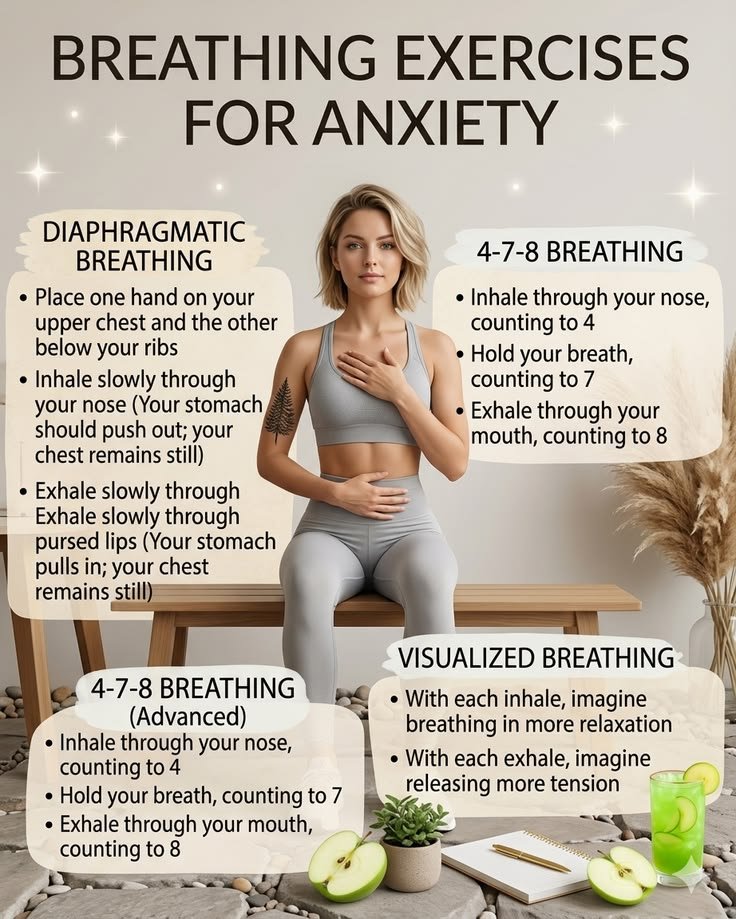
Diaphragmatic Breathing: This technique focuses on deep, abdominal breathing rather than shallow chest breathing. To practice diaphragmatic breathing, sit in a comfortable position or lie down. Place one hand on your chest and the other on your abdomen. Inhale deeply through your nose, allowing your abdomen to rise while keeping your chest relatively still. Hold this breath for a moment, then exhale slowly through your mouth, feeling your abdomen fall. Aim to complete this cycle for 3-5 minutes, concentrating on the rise and fall of your breathing.
4-7-8 Breathing Method: This technique is useful for quickly reducing anxiety and promoting relaxation. Begin by finding a quiet place to sit or lie down. Close your eyes and take a deep breath in through your nose for a count of four. Hold your breath for a count of seven. Finally, release the breath slowly through your mouth for a count of eight. Repeat this cycle for four full breaths. This method may initially be challenging, but with practice, it becomes an incredibly effective tool for stress reduction.
Box Breathing: Also known as four-square breathing, this method involves inhaling, holding, and exhaling for equal counts. For instance, inhale through your nose for a count of four, hold your breath for four counts, exhale through your mouth for four counts, and pause for an additional four counts before repeating. Practice box breathing for several minutes to help regain focus and calm your mind.
These techniques require minimal time and can be effectively integrated into your daily schedule, whether during a break at work, before a meeting, or in moments of tension. The consistent practice of breathwork can lead to long-term benefits for mental clarity and emotional well-being.
Creating a Calm Environment for Effective Breathwork
To optimize the benefits of breathwork, it is essential to establish a tranquil environment that facilitates focus and relaxation. The atmosphere in which one practices breathwork can significantly influence the overall experience and effectiveness of the techniques employed. By carefully curating your surroundings, you can enhance your ability to engage with the practice fully.
Lighting plays a critical role in creating a calming ambiance. Soft, dim lighting can reduce distractions and evoke a sense of serenity, allowing you to concentrate on your breathing exercises. Consider using candles or warm-hued lamps to achieve a gentle glow. Moreover, natural light can also contribute positively, so practicing breathwork near windows during the day can be beneficial.
Soundscapes are another important facet to consider. Calming sounds, such as gentle music, nature sounds, or even silence, can aid in cultivating a peaceful mindset. To maximize the sensory experience, you may wish to play soft instrumental tunes or a recording of ocean waves or rustling leaves. Utilizing sound effectively can help drown out any intrusive noises from your environment, allowing you to focus inwardly.
Physical settings should also be factored into your breathwork practice. Select a clutter-free area where you feel safe and comfortable. Use cushions or a yoga mat to sit upon, which can provide added support during exercises. Additionally, ensure that the temperature of your space is conducive to relaxation; a comfortable climate can prevent any distraction caused by discomfort.
Finally, establishing mindfulness and presence is paramount during breathwork. Dedicating time to be fully present allows you to connect with your breath and cultivate a deeper understanding of the practice. Whether through meditation before starting your breathwork routine or simply setting an intention, grounding yourself in the moment enhances the overall effectiveness of your experience.
Incorporating Breathwork into Your Daily Routine
Integrating breathwork into your daily life can serve as an effective strategy for managing stress and promoting overall well-being. To begin, setting aside specific time blocks for breathwork practice can establish a regular routine. Even short sessions of five to ten minutes each day can yield substantial benefits. Consider scheduling these breathwork sessions at times when you commonly experience heightened stress, such as during lunch breaks or right after arriving home from work.
Another important step in successfully incorporating breathwork is to become more aware of your stress triggers. By identifying situations, environments, or interactions that provoke stress, you can use breathwork proactively. For instance, if a tense meeting is a common trigger, practicing breathwork immediately before entering can help you approach the situation with a calm mindset. Utilizing breathwork as an immediate response to such stressors can facilitate not only acute stress relief but also a more balanced way of navigating your daily challenges.
The long-term benefits of incorporating regular breathwork into your routine should not be understated. Studies highlight that consistent breathwork practice can help reduce anxiety levels, lower blood pressure, and improve emotional resilience over time. By dedicating even just a few minutes each day to focused breathing exercises, you promote lasting changes within your body and mind. It’s also helpful to remember that the integration of breathwork is an ongoing journey; maintaining consistency is key. Reflecting periodically on how breathwork influences your stress management abilities can further motivate you to keep this practice alive.

