
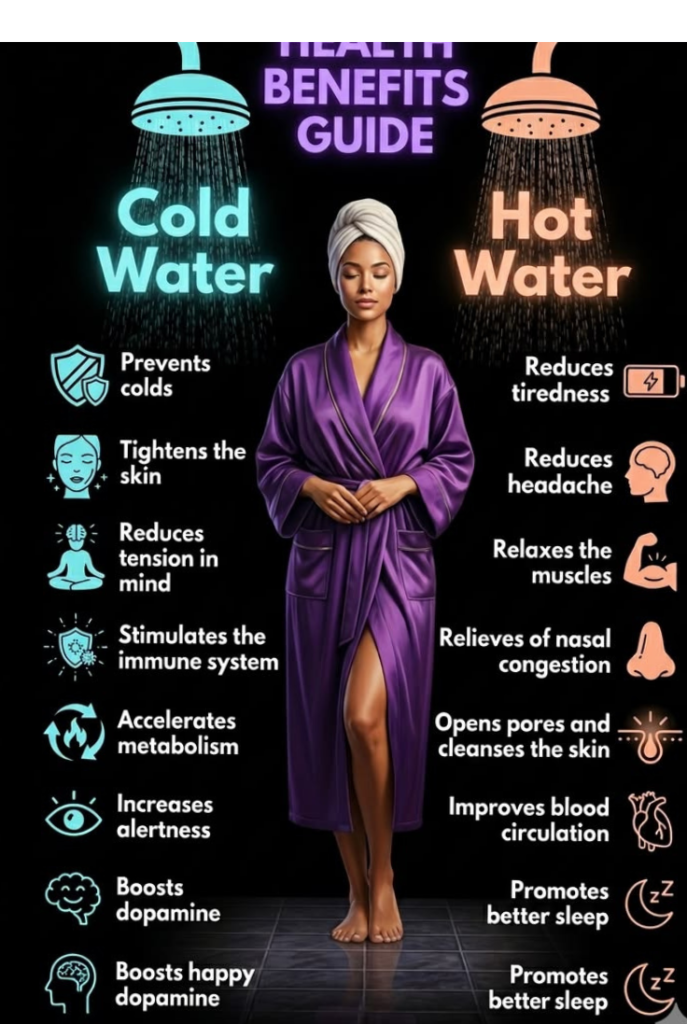
Introduction to Cold Showers
Cold showers refer to the practice of bathing in water that is significantly cooler than typical room temperature, contrasting with the more conventional warm showers. This practice has historical roots that extend back thousands of years, with ancient cultures recognizing the invigorating effects of cold water. For instance, traditional practices in some Indigenous and ancient societies included cold water exposure for spiritual purification and physical revitalization. Historical records indicate that the Greeks and Romans incorporated cold baths into their wellness routines, further solidifying the longstanding association between cold water and health benefits.
Thank you for reading this post, don't forget to subscribe!In modern contexts, cold showers are gaining renewed attention for their potential benefits, with many advocates claiming various health advantages. From improving circulation to enhancing mental clarity, individuals are exploring cold exposure as part of their daily regimens. The physiological effects of cold water on the body are fundamentally different from those of warm showers. Unlike warm water, which promotes relaxation and muscle easing through increased blood flow, cold water initiates a sudden contraction of blood vessels and induces a reflexive response that increases heart rate and stimulates the body’s metabolic processes.
The stark contrast between cold and warm showers leads many to question the rationale behind choosing one over the other. Cold showers are often perceived as a more aggressive form of self-care, invoking a sense of resilience and discipline. Advocates suggest that immersing oneself in cold water awakens the body and mind, fostering improved mood and motivation. Conversely, warm showers typically cater to comfort and relaxation, providing a soothing environment ideal for winding down after a long day.
This emerging interest in cold showers as a healthier choice aligns with a broader trend towards natural wellness practices. As individuals seek out alternative methods to enhance their physical and mental well-being, they often look to incorporate cold showers into their lifestyle, challenging traditional norms surrounding hygiene and self-care.
Physical Health Benefits
Cold showers have gained acclaim for their potential physical health benefits, substantiated by numerous studies and expert insights. One of the most notable advantages is improved circulation. Exposure to cold water causes blood vessels to constrict, which can enhance blood flow across the body upon rewarming, thus promoting healthier circulation overall. This improvement is beneficial not only for cardiovascular health but also for delivering oxygen and nutrients more effectively to the muscles and organs.
Another significant benefit of cold showers is their ability to aid recovery after intense workouts. Athletes often turn to cold therapy to reduce muscle soreness and inflammation. According to research published in the Journal of Sports Medicine, cold exposure can decrease the effects of delayed onset muscle soreness (DOMS), thereby facilitating a quicker recovery time and allowing for more efficient training regimens.
Moreover, taking cold showers may lead to an increase in metabolism. When the body is exposed to cold temperatures, it must expend energy to maintain its core temperature. This thermogenic effect can result in increased calorie burning, which might contribute to weight management or fat loss over time. Some studies suggest that consistent exposure to cold can enhance metabolic rates, further supporting the notion that cold showers can play a role in physical fitness.
Lastly, there is growing evidence that cold showers can strengthen the immune system. While the body’s response to cold exposure appears to activate certain immune responses, research indicates that individuals who regularly take cold showers may experience fewer instances of illnesses. This effect is attributed to the increase in white blood cell count from cold exposure, which helps in combating disease and infection.
Mental and Emotional Benefits
Taking cold showers has gained significant attention for its potential mental and emotional health benefits. Numerous individuals who have integrated this practice into their daily routines report improved mood and enhanced emotional well-being. Cold exposure is believed to stimulate the release of endorphins, the body’s natural mood lifters, leading to feelings of happiness and contentment. This effect can be especially beneficial for those experiencing symptoms of anxiety and depression, as even a brief cold shower can elevate one’s overall state of mind.
Research supports the idea that cold exposure can play a role in stress reduction. A study conducted by the University of Vienna found that participants who regularly took cold showers reported a greater sense of overall well-being and decreased feelings of stress and anxiety. The concept behind this is that exposure to cold requires the body to adapt, resulting in increased resilience to everyday pressures. This adaptability can translate not only into a stronger physical response to stressors but also an improved psychological coping mechanism.
Anecdotal evidence reinforces these findings, with many individuals sharing personal testimonials about the transformative power of cold showers. For example, some have claimed that starting their day with a cold shower sets a positive tone, invigorating them and enhancing their focus. Others report that cold showers provide a moment of mindfulness, allowing them to reconnect with themselves amidst the chaos of daily life.
Furthermore, a growing community of cold therapy enthusiasts emphasizes the mental fortitude developed through this practice. Embracing an uncomfortable experience like a cold shower can foster greater mental resilience, encouraging individuals to confront challenges with a healthier mindset. Overall, while more empirical research is warranted, the reported mental and emotional benefits of cold showers are inspiring many to consider this alternative therapy as a means to boost their well-being.
Practical Tips and Considerations
For individuals looking to incorporate cold showers into their daily routines, there are several practical tips that can facilitate a smoother transition. It is often recommended to gradually acclimate your body to cold water rather than jumping straight into a freezing shower. Begin by taking warm showers and slowly reduce the temperature over time. This gradual approach can help your body adapt and reduce the shock associated with cold exposure.
When starting out, aim to spend short durations under cold water. Aiming for 30 seconds to one minute is a practical starting point. As your body becomes more accustomed to the temperature, you can incrementally increase the duration of your cold showers. Many people find that extending their time in cold water brings enhanced energy and alertness, a key benefit associated with this practice.
Safety should always be a prime consideration. Individuals with certain health conditions, such as cardiovascular issues, should consult a healthcare professional before integrating cold showers into their routine. It is crucial to listen to your body; if you experience excessive discomfort or shivering, it may be wise to shorten the duration or end the shower. Additionally, cold showers may not be suitable for pregnant women or those with respiratory problems, highlighting the importance of personal assessment.
There are several common myths surrounding cold showers that merit clarification. One prevalent belief is that cold showers are detrimental to health. Conversely, they can offer numerous health benefits, including improved circulation and enhanced mood. Addressing these myths can help individuals approach cold showering with a balanced perspective, ensuring they feel confident and informed about their choice to adopt this practice.

