
Understanding Circadian Rhythm
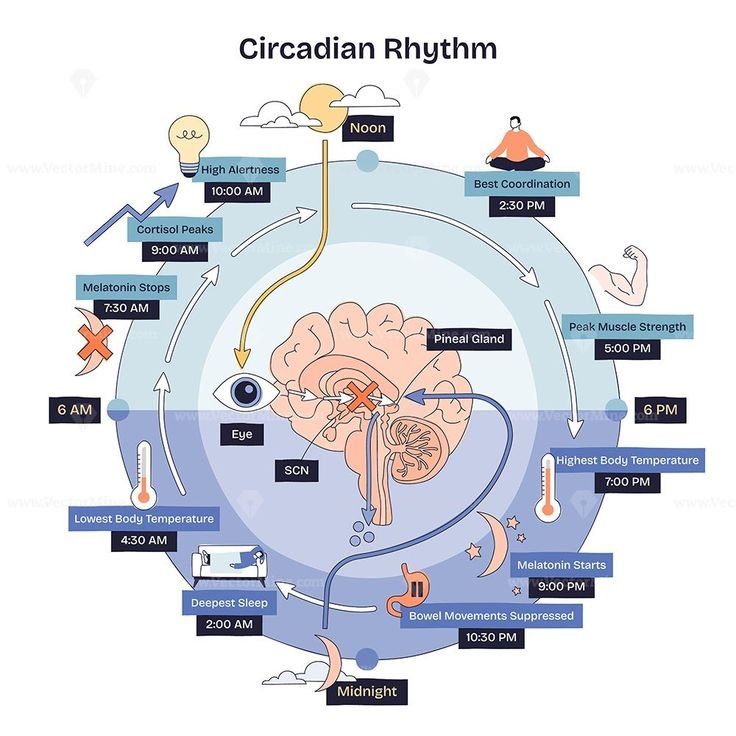
Circadian rhythms are natural, internal processes that follow a roughly 24-hour cycle, influencing various physiological and behavioral functions within the human body. These rhythms are integral to the regulation of sleep-wake cycles, hormone release, eating habits, and even body temperature. The term ‘circadian’ is derived from the Latin phrases “circa” (meaning “around”) and “diem” (meaning “day”), thus indicating processes that cycle every day.
Thank you for reading this post, don't forget to subscribe!The primary regulator of circadian rhythms is the hypothalamus, a small but crucial part of the brain which plays a significant role in maintaining homeostasis. Within the hypothalamus lies the suprachiasmatic nucleus (SCN), a cluster of nerve cells that acts as the body’s master clock. The SCN receives direct input from the eyes, which helps it to respond to changes in light and darkness. This synchronization to environmental cues is vital for keeping the body’s internal clock in alignment with the external world, thus enabling optimal functioning.
Biological processes governed by the circadian rhythm include, but are not limited to, sleep regulation, metabolism, and the release of certain hormones such as cortisol and melatonin. For instance, melatonin levels typically rise in the evening, promoting sleepiness, and fall in the morning, contributing to wakefulness. Disruptions to these natural cycles, whether due to shift work, irregular sleep patterns, or exposure to artificial light at night, can significantly impact health and well-being.
Overall, understanding circadian rhythms is essential, as they are pivotal in ensuring the synchronization of various biological systems. This synchronization is critical for maintaining overall health, as it ensures that the body operates efficiently in accordance with the cycles of day and night.
Circadian Rhythm’s Impact on Physical Health
The circadian rhythm, our body’s internal clock, regulates various physiological processes, including hormone release, sleep-wake cycles, and metabolic functions. Its influence extends significantly to physical health by impacting vital systems such as the endocrine, cardiovascular, and immune systems. An inconsistency in circadian rhythms, often provoked by irregular sleep patterns or lifestyle choices, can detrimentally affect these systems, leading to health complications.
For instance, disruptions in the circadian rhythm can severely impair endocrine functions. The secretion of hormones like cortisol and insulin is closely tied to our internal clock. A misalignment can lead to elevated cortisol levels, contributing to stress and, ultimately, weight gain. Similarly, insulin resistance may develop as a result of irregular sleeping patterns, increasing the risk of obesity and type 2 diabetes. Maintaining a steady sleep-wake cycle facilitates the optimal release of these hormones, thereby supporting metabolic health.
Furthermore, the cardiovascular system is not immune to the effects of circadian rhythms. Studies show that irregular sleep can lead to heightened levels of blood pressure, thereby increasing the chance of heart disease. The body’s repair processes and regulation of heart functions significantly depend on a regular circadian cycle, which underscores the importance of adequate restorative sleep.
Additionally, the immune system operates in alignment with our circadian rhythms. Disruptions in these rhythms can lower immune response efficiency, making individuals more susceptible to infections and chronic illnesses. In essence, ensuring a regular sleep-wake cycle is not just beneficial but essential for maintaining overall physical health, as it plays a critical role in regulating key bodily functions.
Effects on Mental Health and Cognitive Function
The intricate relationship between circadian rhythms and mental health is an area of increasing interest in the field of psychology and neuroscience. Circadian rhythms, which govern our sleep-wake cycles, influence various biological processes including hormone production, metabolic efficiency, and even cognitive performance. Disruptions to these rhythms can yield significant repercussions on mental health, particularly affecting conditions such as depression and anxiety.
Research has demonstrated that irregular sleep patterns often correlate with an exacerbation of mood disorders. A study conducted by the University of Utah found that individuals with disrupted circadian rhythms exhibited higher levels of depressive symptoms compared to those with consistent sleep schedules. This finding suggests that maintaining a regular sleep-wake cycle could be crucial for stabilizing mood and enhancing overall mental well-being.
Moreover, cognitive functions such as memory and attention are intricately linked to our sleep patterns. Evidence from a study published in the journal Sleep indicates that poor sleep quality adversely affects cognitive performance, impairing memory retention and the ability to focus. Participants who adhered to a consistent circadian rhythm exhibited significantly better performance on cognitive tasks, demonstrating how a well-maintained sleep cycle can bolster cognitive capacity.
Further exploring the ramifications of irregular circadian rhythms, researchers have identified a clear trend where individuals suffering from insomnia, bipolar disorder, and seasonal affective disorder (SAD) often display inconsistent sleep-wake cycles. Engaging in practices aimed at stabilizing circadian rhythms, such as exposure to natural light during the day and minimizing blue light exposure at night, may improve mental health outcomes and cognitive function.
Tips for Maintaining a Healthy Circadian Rhythm
Maintaining a healthy circadian rhythm is essential for overall well-being, as it influences various bodily systems. One of the most effective strategies to regulate your circadian rhythm is to establish a consistent sleep schedule. Going to bed and waking up at the same time every day helps to synchronize your body’s internal clock. It is beneficial to allocate 7 to 9 hours of sleep each night, as sufficient rest is vital for optimal functioning.
Exposure to natural light also plays a significant role in regulating circadian rhythms. Sunlight exposure in the morning can help signal to your body that it’s time to wake up and be alert. Aim to spend time outdoors during daylight hours, especially in the early morning, as this can enhance mood and promote better sleep at night. Conversely, minimizing exposure to artificial light, particularly blue light from screens, in the evening can aid in the natural winding down process.
Dietary considerations are another crucial factor in maintaining circadian rhythms. Eating at regular intervals and avoiding heavy meals close to bedtime can enhance sleep quality. Incorporating foods rich in melatonin, such as cherries, grapes, and walnuts, may also support a healthy sleep-wake cycle. Staying hydrated throughout the day, but reducing liquid intake before bedtime, can prevent disruptions during the night.
Finally, it is essential to be mindful of technology’s impact on sleep. Limiting screen time in the evening, establishing a calming bedtime routine, and creating a restful sleep environment can greatly enhance your ability to fall asleep. Implementing these practical strategies can empower individuals to improve their circadian rhythms, thereby promoting better sleep quality and overall health.

