
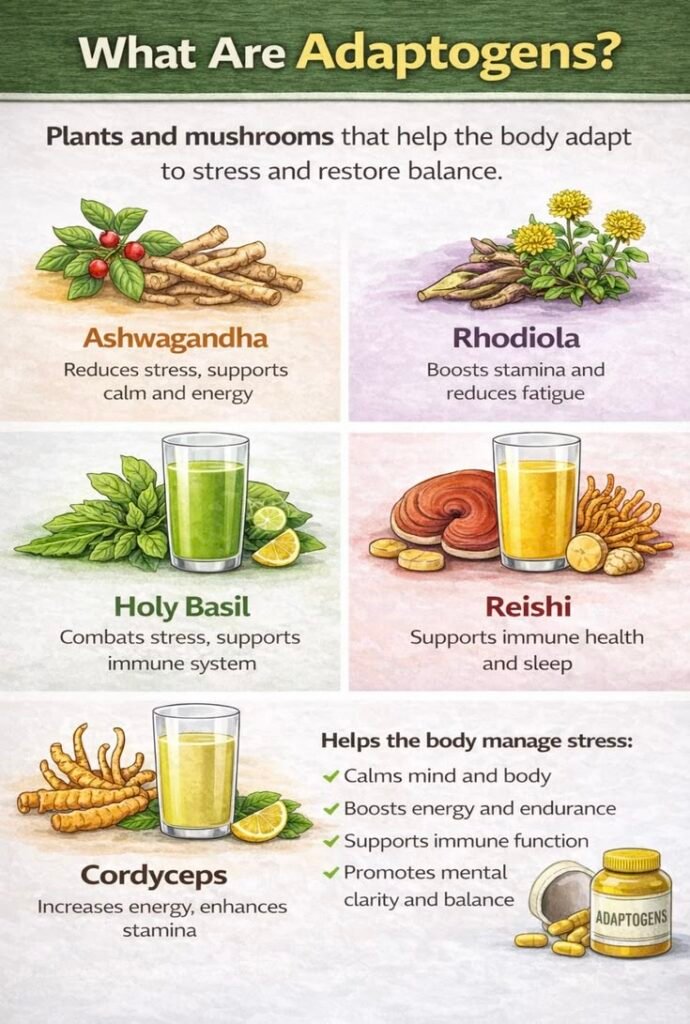
What Are Adaptogens?
Adaptogens are natural substances, often derived from herbs and plants, that are believed to help the body adapt to stress by regulating physiological processes. These compounds have been used in traditional medicine for centuries, particularly in Ayurvedic and traditional Chinese practices. Common adaptogenic herbs include ashwagandha, Rhodiola rosea, and holy basil, which have been recognized for their ability to enhance resilience against various forms of stress, including physical, emotional, and environmental stressors.
Thank you for reading this post, don't forget to subscribe!The scientific exploration of adaptogens has increased within the last few decades, revealing a nuanced understanding of their mechanisms. Adaptogens are thought to work by modulating the body’s stress response, specifically the hypothalamic-pituitary-adrenal (HPA) axis. By promoting balance within the body’s systems, adaptogens can improve stress resilience, enhance energy levels, and even support mental clarity. This makes them an appealing choice for individuals seeking holistic approaches to stress management.
It is important to distinguish adaptogens from other dietary supplements. While many supplements may provide specific benefits, such as boosting energy or enhancing mood, adaptogens uniquely promote homeostasis in the body. This quality means that they can not only address stress-related conditions but also help improve overall well-being. For instance, while caffeine may provide a temporary energy boost, it does not offer the adaptogenic properties that can help manage chronic stress or fatigue sustainably.
In summary, adaptogens represent a compelling category of natural substances with historical and emerging scientific backing. Understanding their role in aiding the body’s response to stress is crucial for anyone interested in natural health solutions.
How Do Adaptogens Work?
Adaptogens are natural substances that can help the body adapt to stress and promote homeostasis. They function through various physiological pathways, primarily impacting the adrenal system and hormonal balance. When the body encounters stress, the adrenal glands release hormones such as cortisol, which can have both positive and negative effects on health, depending on the duration and intensity of stress exposure. Adaptogens are believed to modulate this stress response, thereby maintaining balance within the endocrine system.
One prominent mechanism of action for adaptogens is their influence on the hypothalamic-pituitary-adrenal (HPA) axis. This axis is crucial for the regulation of stress hormones. Adaptogens like ashwagandha and Rhodiola rosea have been shown to reduce cortisol levels in stressful situations, which may contribute to decreased anxiety and enhanced mental clarity. Research indicates that these adaptogens can enhance resilience to stress by normalizing serum cortisol levels after exposure to stressors.
Moreover, adaptogens are reported to enhance energy levels and improve physical performance by promoting mitochondrial function, which is vital for energy production. In studies involving athletes and physically active individuals, adaptogenic herbs have shown potential in improving endurance and reducing fatigue. For instance, Panax ginseng is recognized for its energizing effects, which can help individuals cope better in demanding situations, thus optimizing physical and mental performance.
Additionally, adaptogens are thought to positively influence neurotransmitter levels, promoting emotional and cognitive well-being. By supporting the balance between excitatory and inhibitory neurotransmitters, these herbs can help mitigate feelings of anxiety and enhance overall mood. This multifactorial approach underscores the potential that adaptogens hold in supporting both physiological and psychological health.
Popular Adaptogens and Their Benefits
Adaptogens are natural substances that enhance the body’s resilience to stress. Among the most recognized adaptogens, Ashwagandha stands out for its ability to reduce cortisol levels, thereby promoting a sense of calm and well-being. It has been linked to improved sleep quality, enhanced cognitive function, and support for emotional health. While generally considered safe, some individuals may experience gastrointestinal upset when taking Ashwagandha, particularly at higher doses.
Rhodiola Rosea is another prominent adaptogen celebrated for its energizing effects. It is known to improve mood and alleviate fatigue, making it a popular choice among those facing stressful environments or demanding schedules. Studies suggest that Rhodiola may also help enhance physical performance and recovery after exercise. However, it should be noted that this adaptogen might cause irritability in some users, particularly if taken in excessive amounts.
Holy Basil, or Tulsi, is commonly used in traditional Ayurvedic medicine and is known for its anti-inflammatory and antioxidant properties. Holy Basil has been found to help regulate blood sugar levels and support immune function. It is often recommended for individuals looking to manage their stress levels through a holistic approach. Mild side effects can include nausea or a headache in sensitive individuals.
Lastly, Schisandra is recognized for its unique ability to support liver health as well as enhance mental performance and endurance. This adaptogen is particularly beneficial for those undergoing intense physical or intellectual challenges. Schisandra is considered safe for most, but pregnant or breastfeeding women should consult a healthcare professional before use due to limited studies on its effects during these periods.
How to Incorporate Adaptogens into Your Routine
Incorporating adaptogens into your daily routine can be an effective way to enhance your overall wellness and resilience to stress. Various methods of consumption exist, allowing individuals to tailor their experience to their preferences. One popular form is tea, which can be prepared using adaptogenic herbs such as ashwagandha or reishi mushrooms. These teas not only convey the benefits of the herbs but can also serve as a calming ritual to help you unwind.
Alternatively, adaptogens can be consumed in capsule form, which offers convenience and precise dosages. When choosing capsules, it is essential to follow the manufacturer’s recommended dosages, generally ranging from 300 to 500 mg daily, depending on the specific adaptogen. Another popular option is powdered adaptogens, which can be mixed into smoothies, oatmeal, or even coffee. Incorporating powders allows for versatility in serving sizes and can enhance the nutritional profile of your meals.
Timing can also play a crucial role in the effectiveness of adaptogens. Consuming them in the morning may provide supportive benefits throughout the day, particularly for energy and focus. Conversely, using adaptogens in the evening can aid relaxation and improved sleep quality. It is vital to listen to your body and adjust your intake accordingly.
While adaptogens are generally considered safe for most individuals, it is advisable for specific populations, such as pregnant or breastfeeding women, and those with pre-existing health conditions, to consult a healthcare professional prior to starting any new supplement regimen. This will ensure that any adaptogen chosen is suitable for your specific health needs and does not interact with existing medications.

