
Understanding High Protein Ingredients
When crafting a Caesar salad, incorporating high protein ingredients not only enhances its nutritional value but also contributes to a satisfying meal. Grilled chicken is a classic choice, bringing approximately 26 grams of protein per serving. Its savory flavor complements the creamy dressing while providing essential amino acids necessary for muscle repair and growth. This makes it a favored option, especially for those seeking to boost their protein intake.
Thank you for reading this post, don't forget to subscribe!Another popular ingredient is shrimp, which offers around 24 grams of protein per three-ounce serving. Shrimp is not only low in calories but also provides omega-3 fatty acids, beneficial for heart health. When sautéed or grilled, shrimp draws in the traditional Caesar flavors, making it a delicious alternative for seafood lovers.
For those following a plant-based diet, tofu is an excellent source of protein, containing approximately 20 grams per cup. Tofu’s versatility allows it to absorb the rich flavors of Caesar dressing, making it a seamless fit in the salad. Additionally, it supplies calcium and iron, essential minerals that contribute to overall health. Another plant-based option is black beans, which provide about 15 grams of protein per cup and are rich in fiber. They add a unique texture and taste, complementing the salad and offering a hearty component.
Other sources of plant-based protein include chickpeas and edamame, both of which can elevate the protein content effectively while being compatible with traditional Caesar flavors. Chickpeas, with around 15 grams of protein per cup, offer a nutty flavor that pairs well with the dressing, and edamame provides essential fatty acids, making it a nutritious addition.
Crafting the Perfect Caesar Dressing
The cornerstone of a classic Caesar salad lies in its dressing, which combines a rich fusion of flavors to create a savory delight. Traditional recipes typically include ingredients such as anchovies, Parmesan cheese, and eggs, anchoring the dressing’s flavor and providing a creamy texture. However, for those looking to elevate their protein intake, there are alternative ingredients that can maintain the essence of the original while enhancing its nutritional profile.
One effective adaptation is the inclusion of Greek yogurt. This ingredient not only adds creaminess but also significantly boosts the protein content of the dressing. Greek yogurt offers a tangy flavor that harmonizes well with the salty, umami notes of anchovies and Parmesan. To craft a high-protein dressing, consider mixing two tablespoons of Greek yogurt with the standard anchovies and lemon juice to provide both richness and zest.
Another alternative is the use of silken tofu, a versatile ingredient that blends seamlessly into dressings. Silken tofu provides a smooth texture and, when blended properly, can mimic the silkiness of traditional Caesar dressing. Combining silken tofu with nutritional yeast can also introduce a cheesy flavor, retaining the essence of the original while amplifying protein levels. This makes for an excellent option for vegans or individuals who may be avoiding eggs and dairy.
When crafting your dressing, it is essential to balance flavors. Aim for the right ratio of acidity and saltiness, and don’t hesitate to adjust lemon juice or garlic to suit your palate. Incorporating fresh herbs, such as parsley or basil, can elevate the dressing further. Finally, whisking the dressing thoroughly will help achieve that desired creamy texture while ensuring all ingredients are integrated well, creating a wholesome and satisfying Caesar salad dressing.
Layering Your Salad for Maximum Flavor and Nutrients
Assembling a high-protein Caesar salad requires a strategic approach to ensure optimal flavor and a balanced nutrient profile. The key is in the layering of ingredients, which can enhance the eating experience while delivering essential protein and other nutrients.
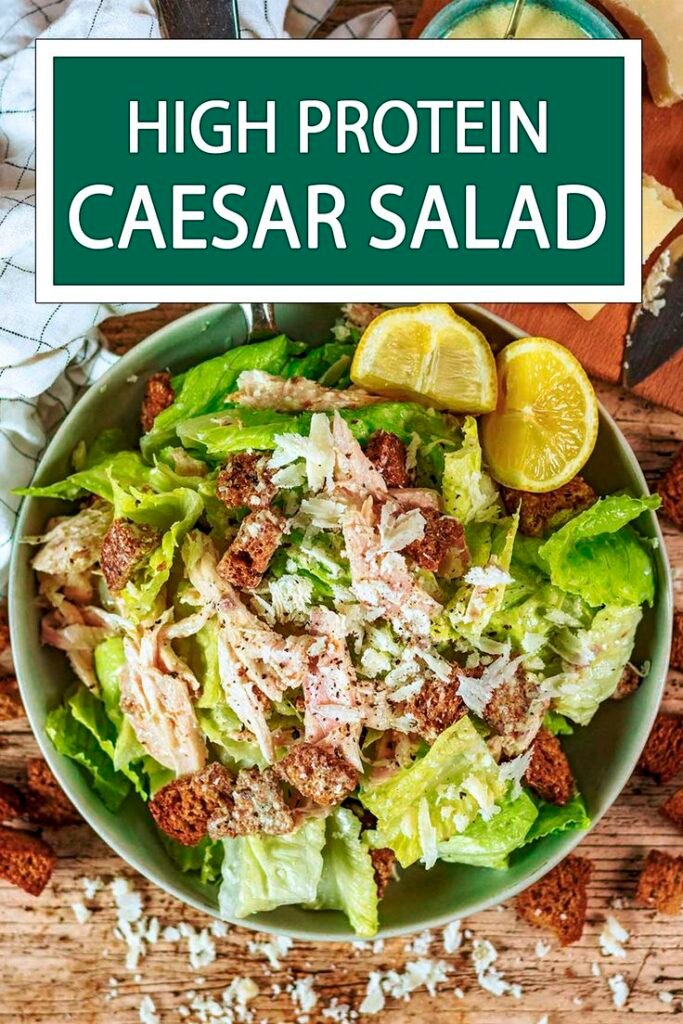
Start with a solid base of fresh greens; romaine lettuce is a traditional choice due to its crisp texture and mild flavor. When layering, it is beneficial to tear the lettuce into bite-sized pieces rather than chopping it, as this maintains the integrity and crunch of each leaf. Following the greens, it’s crucial to incorporate your primary protein source. Grilled chicken breast is a classic option, but other choices like chickpeas, shrimp, or tofu can significantly boost the protein content while adding diverse flavors.
Next, add toppings that complement both the taste and nutrition of the salad. Croutons, while often a staple, should be used judiciously to avoid overwhelming the other ingredients. Consider opting for whole-grain or homemade croutons, which can add fiber and enhance the health quotient. Additionally, freshly grated Parmesan cheese can enhance the richness of the dish while providing a good source of calcium and protein.
To tie all the flavors together, drizzle a high-protein Caesar dressing made from Greek yogurt or blended silken tofu before gently tossing the salad. This addition not only adds creaminess but also boosts the overall protein content. For added nutritional benefits, sprinkle seeds such as sunflower or pumpkin seeds, which can provide healthy fats and a satisfying crunch.
Finally, serve the salad in chilled bowls or plates to preserve freshness and encourage a delightful presentation. This arrangement not only enhances the visual appeal but also signals the freshness of the ingredients used. Properly layering a high-protein Caesar salad can elevate the dining experience and ensure each bite bursts with flavor and nutrition.
Serving Suggestions and Variations
When preparing a high protein Caesar salad, consider various serving suggestions and variations to cater to diverse tastes and dietary needs. One of the simplest serving methods is to offer it as a complete meal portion. A generous serving can serve as a satisfying lunch or dinner option, especially when enhanced with ample protein-rich toppings, such as grilled chicken or chickpeas.
If serving as a side dish, consider smaller portions that complement main entrées, allowing for a balanced meal. Pairing the salad with baked salmon or a lean steak not only enhances the overall protein intake but also adds a delightful contrast between flavors and textures.
For those seeking to adjust their meals according to dietary preferences, there are several creative variations to consider. A vegetarian version can easily be achieved by replacing meat proteins with grilled tempeh or marinated tofu, which adds both protein and depth to the salad. Additionally, utilizing legumes such as lentils or black beans will provide a hearty texture while maintaining a robust flavor.
Another interesting twist is to create a low-carb Caesar salad by substituting traditional croutons with roasted cauliflower or nuts, like almonds or walnuts. This substitution not only maintains the crunch but also increases the healthy fat content, appealing to individuals following low-carb diets.
Seasonal ingredients also play a crucial role in keeping the salad fresh and exciting. For instance, incorporating seasonal greens, such as kale or Swiss chard, can provide additional nutrients while offering a variation in taste and presentation. Experimenting with fruit additions like strawberries or apples can elevate the flavor profile, making the salad more versatile and appealing across different gatherings.

