
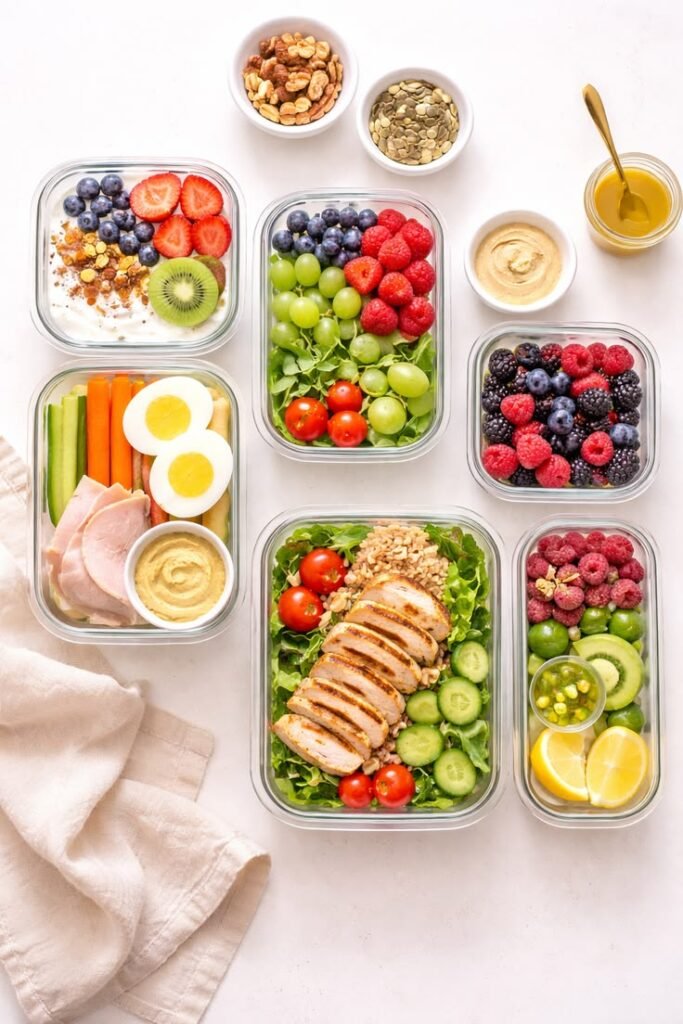
Understanding the Basics of Meal Prep
Meal preparation, commonly known as meal prep, is an organized method of planning and preparing food in advance for consumption during the week. Understanding the fundamental principles of meal prep is essential for anyone looking to adopt healthier eating habits while saving time. The primary benefits include improved nutrition, convenience, and reduced food waste, making it an attractive option for busy individuals and families alike.
Thank you for reading this post, don't forget to subscribe!One crucial aspect of meal prep is the different styles that can be employed based on personal preferences and lifestyles. Batch cooking is a popular method where large quantities of meals are prepared simultaneously, allowing individuals to store multiple servings for future consumption. Alternatively, portioning involves preparing individual servings of each dish, making it easier to control portion sizes and ensure balanced nutrition throughout the week. Both methods promote mindful eating and help minimize impulsive food choices, which can often lead to unhealthy dietary habits.
Planning meals ahead is vital for effective meal prep. By creating a weekly meal plan, individuals can ensure that they include a variety of foods that meet their nutritional needs, while also considering personal tastes and dietary restrictions. This proactive approach encourages the incorporation of fresh ingredients, which can contribute to a more wholesome diet.
To facilitate successful meal preparation, having the right tools and containers is essential. Invest in high-quality, airtight containers that can safely store cooked meals in the refrigerator or freezer. Utilizing a meal prep planner or mobile app can also help streamline the planning process. Ultimately, embracing meal prep as a practice can lead to healthier eating habits, reduced stress around food choices, and significant time savings during the week.
Essential Meal Prep Recipes
Meal prepping can significantly enhance efficiency in your weekly cooking routine. Below are five essential meal prep recipes that are nutritious, easy to make, and can be stored for future meals, ensuring a balanced diet throughout the week.
1. Overnight Oats
Ingredients: 1 cup rolled oats, 2 cups almond milk, 1 tablespoon chia seeds, 1 tablespoon honey, and your choice of fruits (e.g., berries, bananas).
Preparation: In a bowl, mix all ingredients and divide into jars or containers. Add fruits before serving.
Storage: Store in the refrigerator for up to five days.
2. Quinoa Salad
Ingredients: 1 cup quinoa, 2 cups water, 1 can black beans (drained), 1 cup cherry tomatoes, 1 cup corn, lime juice, and cilantro.
Preparation: Cook quinoa in water until fluffy. Once cooled, mix with other ingredients and drizzle with lime juice.
Storage: Refrigerate in airtight containers for up to a week.
3. Baked Chicken Breast
Ingredients: 4 chicken breasts, 2 tablespoons olive oil, garlic powder, paprika, salt, and pepper.
Preparation: Preheat oven to 375°F (190°C). Rub chicken with olive oil and spices. Bake for 25-30 minutes until cooked through.
Storage: Slice and store in containers for up to four days.
4. Roasted Vegetables
Ingredients: 2 cups broccoli, 2 cups bell peppers, 1 cup carrots, 2 tablespoons olive oil, salt, and pepper.
Preparation: Preheat oven to 400°F (200°C). Toss vegetables in oil and seasoning, spread on a baking sheet, and roast for 20-25 minutes.
Storage: Keep in fridge in sealed containers for up to five days.
5. Hummus and Veggies
Ingredients: 1 can chickpeas, 2 tablespoons tahini, 1 clove garlic, lemon juice, and assorted vegetables (carrots, cucumbers).
Preparation: Blend chickpeas, tahini, garlic, and lemon juice until smooth. Serve with cut veggies.
Storage: Hummus can be refrigerated in an airtight container for about one week.
These meal prep recipes provide a foundation for easy and nutritious eating throughout the week. By preparing these dishes in advance, you ensure whole foods are readily available, enhancing both health and convenience.
Tips for Efficient Meal Prep
Meal prep can often feel overwhelming, especially for those with busy lifestyles. However, by employing a few efficient strategies, individuals can streamline their meal preparation process, making it both time-efficient and enjoyable. One of the most effective methods begins at the grocery store. Planning your meals ahead of time and creating a comprehensive shopping list can significantly reduce the amount of time spent wandering the aisles. This not only saves time but also helps in minimizing food waste, as buying only what is necessary can reduce unnecessary purchases.
Once the groceries are acquired, organizing your kitchen plays a critical role in enhancing efficiency. A well-organized kitchen allows for a smoother meal prep session. Consider designating specific areas for different food categories, such as fruits, vegetables, proteins, and grains. Investing in clear storage containers can help keep the ingredients visible and easily accessible. Labeling containers with the contents and date can further aid in tracking freshness and preventing spoilage.
Timing is another essential component of efficient meal prep. Choosing a consistent day and time each week to dedicate to meal preparation can instill a routine that becomes easier over time. Many people find weekends ideal, as they can prepare meals for the week ahead without feeling rushed. Batch cooking is also a practical approach; cooking larger quantities of staple foods like grains and proteins can minimize the need for daily cooking. Additionally, consider preparing components that can be mixed and matched throughout the week to keep meals interesting and diverse.
By integrating these tips into your meal prep routine, you can not only save time but also foster a healthier lifestyle. Implementing strategic shopping, organizing your kitchen effectively, and establishing a scheduled prep time can radically change your approach to meal preparation.
Sticking to Your Meal Prep Routine
Maintaining consistency in your meal prep routine is crucial for reaping the benefits of healthy eating. To effectively stick to this practice, one must adopt strategies that align with personal preferences and lifestyles. A great starting point is to set realistic goals. Instead of aiming to prepare meals for an entire week at once, consider starting with two or three days’ worth of meals. This manageable approach can ease the pressure and help you build confidence in your meal prepping skills over time.
Creating a meal prep schedule that fits into your weekly routine can further enhance commitment. Whether you prefer preparing meals on Sundays or Wednesdays, establishing a specific day and time dedicated to meal prep can solidify the practice as a habit. Utilizing tools such as scheduling apps or meal prep planners can help you stay organized and remind you when to start prepping your next batch of meals.
Another integral aspect of successfully adhering to your meal prep routine is motivation. Finding inspiration through cooking blogs, social media platforms, or healthy cooking shows can infuse excitement into your meal preparations. Additionally, consider inviting friends or family members to join your meal prep sessions, as this social engagement can provide accountability and motivation.
Handling cravings and maintaining a variety in meals is also essential to prevent boredom. Stocking up on various herbs, spices, and healthy sauces allows for flavor diversity, making each meal exciting and reducing the temptation to stray from your healthy eating choices. Lastly, keep in mind that occasional indulgences are normal. If a craving strikes, allow yourself a controlled treat, as this can reinforce your commitment to a well-balanced diet without instigating feelings of deprivation.

