
Understanding Whole Grains
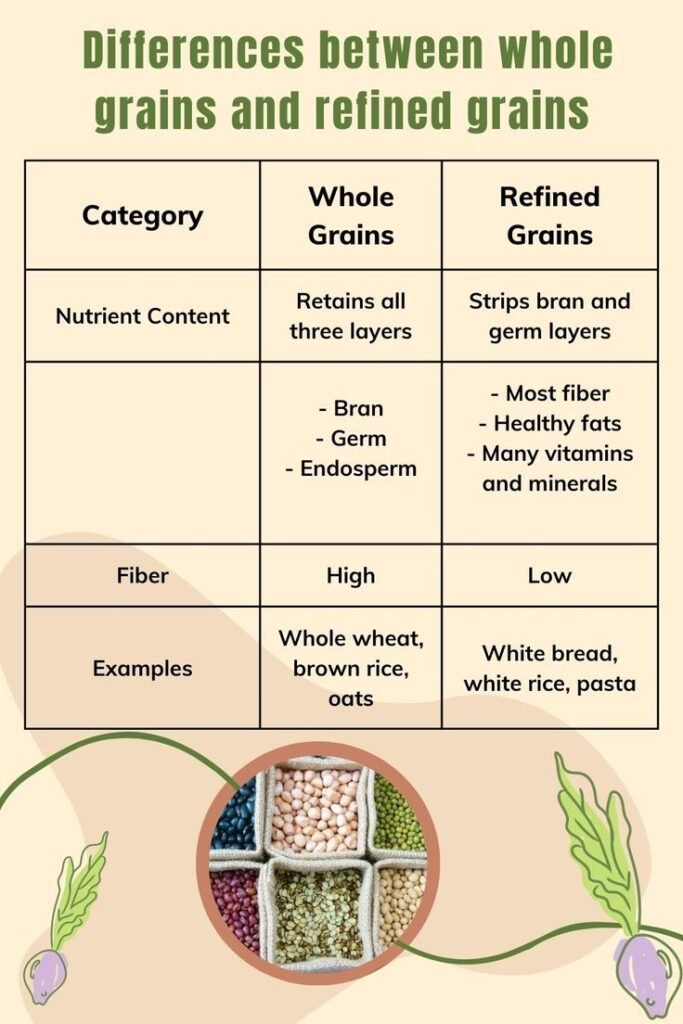
Whole grains are defined as grains that contain all three essential parts of the grain kernel: the bran, germ, and endosperm. Each of these components contributes significantly to the overall nutritional value of the grain. The bran is the outer layer that provides fiber, B vitamins, and antioxidants. Beneath the bran lies the germ, which is the nutrient-rich core of the grain, packed with vitamins, minerals, and healthy fats. The endosperm, the largest part of the grain, provides carbohydrates and some proteins but lacks the majority of the nutrients found in the bran and germ.
Thank you for reading this post, don't forget to subscribe!When consumed as part of a balanced diet, whole grains offer numerous health benefits. They are known to be a rich source of dietary fiber, which aids in digestion and helps maintain a healthy weight by promoting satiety. Regular consumption of whole grains is associated with lower risks of chronic diseases such as heart disease, type 2 diabetes, and certain types of cancer. This is largely due to the presence of antioxidants and other beneficial compounds that are lost during the refining process of grains.
Examples of whole grains include brown rice, quinoa, barley, oats, whole wheat, and bulgur. These grains can be incorporated into various meals, providing versatile options for a healthy diet. Choosing whole grains over refined grains is a simple yet effective way to boost one’s nutrient intake and improve overall health. It is crucial to read food labels to ensure that the grains listed are indeed whole, as many products may be misleading with terms like “made with whole grains” while still containing primarily refined grains.
What Are Refined Grains?
Refined grains are produced through a milling process that removes the bran and germ from whole grains. This process results in a finer texture and an extended shelf life; however, it also strips away significant portions of the grain’s original nutrients. During this refinement, essential dietary fibers, vitamins, and minerals are lost, which are critical to maintaining a balanced diet.
The most common examples of refined grains include white rice, white flour, and various processed foods made from these ingredients, such as bread, pasta, and pastries. These products are widespread in many people’s diets and can be easily identified by their smooth, light color. While refined grains may offer convenience, their nutritional profile is considerably less beneficial than that of whole grains.
The removal of the bran and germ not only decreases the fiber content, which aids in digestion and contributes to feelings of fullness, but it also diminishes essential nutrients like B vitamins and iron that are vital for various bodily functions. This consequence highlights a growing concern regarding the high consumption of refined grains, as their overconsumption can lead to negative health impacts. Diets high in refined grains have been associated with increased risks of obesity, type 2 diabetes, and cardiovascular diseases.
In light of these considerations, it becomes crucial for individuals to understand the difference between refined and whole grains. By consciously choosing whole grain options when available, such as whole wheat bread and brown rice, one can significantly improve their nutritional intake and overall health. It is important to seek a balanced diet that includes a variety of grains to ensure adequate nutrient consumption for optimal well-being.
Nutritional Comparison: Whole Grains vs. Refined Grains
The nutritional profiles of whole grains and refined grains differ significantly, impacting their contribution to overall health. Whole grains retain all parts of the grain kernel—the bran, germ, and endosperm—providing a wealth of nutrients. In contrast, refined grains have undergone processing that removes the bran and germ, resulting in a loss of beneficial components.
One of the most notable differences lies in fiber content. Whole grains are an excellent source of dietary fiber, with varieties such as oats, brown rice, and quinoa containing approximately 3 to 8 grams of fiber per serving. This high fiber content contributes to improved digestive health, helps maintain healthy blood sugar levels, and supports weight management. Conversely, refined grains like white rice and white bread typically offer only 1 gram or less of fiber per serving. The fiber stripped during processing limits their health benefits, leading to a higher glycemic index that can spike blood sugar levels.
Additionally, whole grains are rich in essential vitamins and minerals. For instance, whole grains provide B vitamins, iron, magnesium, and selenium, which are vital for energy metabolism and overall well-being. Research indicates that diets including whole grains are associated with a reduced risk of chronic conditions such as heart disease, type 2 diabetes, and obesity. In contrast, diets high in refined grains have been linked to increased risk factors associated with these conditions.
In summary, the nutritional comparison between whole and refined grains underscores the benefits of incorporating whole grains into the diet. Their superior fiber, vitamin, and mineral content contribute to better health outcomes, highlighting their role as a fundamental part of a balanced diet.
Incorporating Whole Grains into Your Diet
Embracing whole grains in your daily meals can significantly boost your nutrition, offering a wealth of vitamins, minerals, and fiber that refined grains lack. To start incorporating whole grains into your diet, consider simple substitutions for everyday foods. For example, switch from white rice to brown rice or quinoa, and choose whole-grain pasta over regular pasta. These small changes can have a substantial impact on your overall health.
Another practical suggestion is to explore various whole grain options beyond the commonly recognized varieties. Grains such as farro, barley, bulgur, and spelt are nutritious and add unique flavors and textures to your dishes. Including diverse whole grains can help prevent monotony in your meals while providing a broader spectrum of nutrients.
When preparing meals, aim to include whole grains in salads, soups, and stir-fries. Mixing cooked quinoa or brown rice into a salad can enhance its nutritional value and increase satiety. Additionally, consider incorporating whole grain flour into baked goods. For instance, when baking bread or muffins, you can substitute a portion of all-purpose flour with whole wheat flour or oat flour, leading you to enjoy delicious treats with added health benefits.
Reading food labels is essential when shopping for processed foods, as refined grains often appear in unexpected forms. Look for products labeled with “100% whole grain” or “whole grain first” on the ingredient list to ensure you’re choosing items that align with your dietary goals. This vigilance can assist in identifying hidden refined grains that may compromise your efforts to maintain a healthier diet.
By gradually making these changes and being mindful of your choices, you can seamlessly incorporate whole grains into your diet and enjoy the numerous health benefits they offer.