
Introduction to Healthier Cooking
In recent years, there has been a growing emphasis on the significance of healthier cooking practices. As we continue to explore our culinary preferences, it becomes essential to adopt cooking methods that are not only enjoyable but also beneficial for our health. This shift towards health-conscious cooking allows individuals to savor their favorite dishes while minimizing ingredients that may contribute to various health concerns.
Thank you for reading this post, don't forget to subscribe!Making small changes in our cooking can lead to substantial health benefits without compromising on taste. For example, substituting some ingredients with healthier alternatives can enhance the nutritional profile of meals. These adjustments are often simple to implement and require minimal effort, making them accessible for most home cooks. The goal is to create a harmonious balance between flavor, enjoyment, and health, ensuring that meals are both satisfying and nourishing.
Healthier cooking does not mean sacrificing flavor or enjoyment. It is possible to innovate and reinvent beloved recipes by incorporating nutrient-dense ingredients or healthier cooking methods. Rather than considering these substitutions as restrictions, they can be viewed as opportunities for creativity and enhancement. With a little inspiration and awareness, anyone can begin to transform their culinary approach.
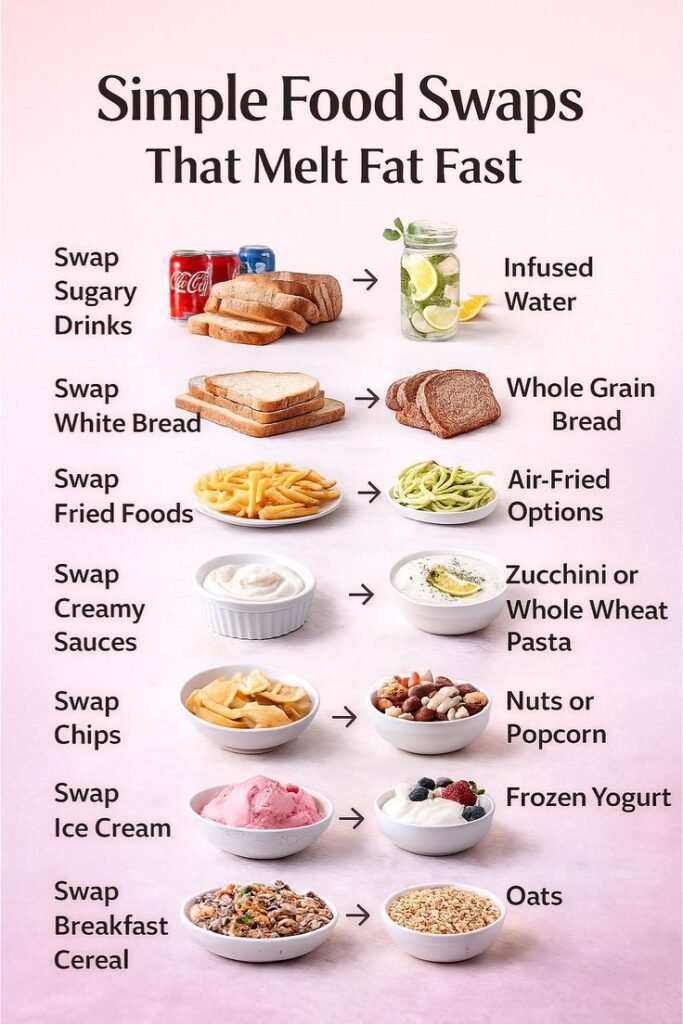
As we delve into this topic, we will explore nine easy swaps that can make your favorite recipes healthier. Each suggestion will provide practical alternatives that elevate the nutritional value of meals while keeping the taste profiles intact. Emphasizing these simple swaps will demonstrate that making healthier choices in the kitchen can be rewarding, both for our health and for our palate.
Swap #1: Greasy Oils for Healthier Fats
One of the most impactful changes you can make in your cooking is to swap out greasy oils for healthier fats. Many traditional recipes call for vegetable or canola oil, which are often high in omega-6 fatty acids and have been linked to various health issues when consumed in excess. Instead, consider using oils such as olive oil, coconut oil, or avocado oil. These alternatives not only boost the health profile of your dish but also enhance its flavor.
Olive oil, especially extra virgin, is renowned for its numerous health benefits. It is rich in monounsaturated fats, which can help reduce the risk of heart disease by improving cholesterol levels. Furthermore, olive oil contains antioxidants such as vitamin E and polyphenols, which also contribute to overall health. Its distinct flavor can add depth to salad dressings and marinades, making it a versatile choice in the kitchen.
Coconut oil, while higher in saturated fat than olive oil, is considered a healthy option when used in moderate amounts. It contains medium-chain triglycerides (MCTs) that have been associated with increased metabolism and fat-burning qualities. This oil is particularly ideal for baking and frying due to its high smoke point, making it a savory substitute in many recipes.
Lastly, avocado oil is another excellent alternative that boasts a high smoke point and is suitable for various cooking methods, from sautéing to roasting. It also contains healthy fats and is packed with beneficial nutrients including potassium and lutein, which promote heart and eye health.
Transitioning to healthier fats is a simple yet effective way to enhance your favorite recipes, supporting your well-being without sacrificing flavor. Consider making this swap today for a healthier cooking experience.
Swap #2: Sugar Substitutes that Satisfy
Refined sugar has long been a staple in kitchens around the world; however, its impact on health has prompted many to seek out healthier alternatives. Sugar substitutes are gaining popularity not only for their lower glycemic indices but also for their additional health benefits. Natural sweeteners such as honey, maple syrup, stevia, and monk fruit present excellent options that can enhance the flavor of your favorite dishes while contributing essential nutrients.
Honey, a natural sweetener, is often favored for its potential health benefits, including antioxidant properties. Its glycemic index is lower than that of regular table sugar, meaning it doesn’t spike blood sugar levels as dramatically. Additionally, honey contains trace amounts of vitamins and minerals, making it a more nutrient-dense option.
Similarly, maple syrup is rich in antioxidants and contains minerals such as manganese and zinc. It also has a lower glycemic index compared to white sugar, which can help individuals manage blood sugar levels more effectively. Incorporating maple syrup into recipes not only adds sweetness but also a rich flavor profile that complements many dishes.
For those seeking calorie-free options, stevia and monk fruit are standout alternatives. Stevia, derived from the leaves of the Stevia rebaudiana plant, is known for its intense sweetness without any caloric content. Similarly, monk fruit extract is a natural sweetener that provides zero calories and does not affect blood sugar levels, making it an excellent choice for those concerned about calorie intake.
When replacing refined sugar with these substitutes, it is essential to consider the sweetness levels of each. Using these alternatives allows for a deliciously sweet result without the burden of empty calories, ultimately contributing to healthier eating habits. Through thoughtful substitutions, anyone can transform their culinary delights into healthful fare while still satisfying their sweet tooth.
Swap #3: Refined Grains for Whole Grains
The choice of grains in our diets can significantly impact our overall health. By swapping refined grains for whole grains, we can elevate the nutritional value of our favorite recipes. Refined grains, such as white rice and all-purpose flour, undergo processing that removes the bran and germ, leading to a loss of essential nutrients. In contrast, whole grains retain these components, resulting in a higher fiber content, greater amounts of vitamins, and an abundance of minerals.
Whole grains are a critical source of dietary fiber, which plays a vital role in promoting healthy digestion. Fiber helps to regulate bowel movements and can prevent constipation. Moreover, consuming adequate amounts of fiber is associated with a decreased risk of chronic diseases, such as heart disease and type 2 diabetes. Additionally, whole grains contain important vitamins, such as B vitamins, which support metabolism and provide energy.
Incorporating whole grains into meals can be achieved with relative ease. For instance, instead of using white rice, consider substituting it with brown rice or quinoa. These options not only provide a nuttier flavor but also enhance the overall nutritional profile of your dish. Similarly, when it comes to baking, consider replacing all-purpose flour with whole wheat flour. This simple switch can add a hearty texture to your baked goods while increasing their fiber content.
Other great alternatives include barley, farro, and oats, which can be seamlessly introduced into soups, salads, and breakfast meals. By making these small modifications, one can enjoy the traditional flavors of favorite dishes while reaping the numerous health benefits associated with whole grains. Embracing whole grains is a straightforward yet impactful approach to enhancing diet quality and sustaining optimal well-being.
Swap #4: High-Calorie Dairy for Lower-Fat or Plant-Based Options
The inclusion of high-calorie dairy products in recipes is often a significant contributor to overall calorie intake. However, by swapping these items for lower-fat or plant-based alternatives, individuals can enjoy their favorite dishes while maintaining or reducing their caloric consumption. Popular substitutes include Greek yogurt, skim milk, and various plant-based milk options such as almond milk or coconut yogurt.
Using Greek yogurt, for instance, is an excellent way to add creaminess to recipes without the added calories of full-fat sour cream. With a higher protein content, Greek yogurt not only provides a satisfying texture but also contributes to a sense of fullness, which can help in appetite control. This swap is particularly effective in dressings, dips, and as a topping for baked goods.
Similarly, replacing whole milk with skim milk can significantly cut calories while still delivering valuable nutrients like calcium and vitamin D. Skim milk maintains the essential elements of flavor and creaminess that many seek in their recipes. For those embracing vegan or lactose-intolerant lifestyles, plant-based alternatives such as almond milk or coconut yogurt offer an ideal solution. Both options can effectively replace high-calorie dairy without compromising taste.
Moreover, many brands of plant-based yogurts and milks are fortified with additional vitamins and nutrients, ensuring that your meals remain nutritionally balanced. It is essential to select unsweetened varieties to avoid excess sugars that can counteract the health benefits. By making these simple swaps in recipes, individuals can maintain the culinary experience they love while fostering healthier dietary habits.
Conclusion and Encouragement to Experiment
As we have explored throughout this post, making small swaps in your favorite recipes can lead to substantial improvements in their nutritional value. The versatility of ingredients enables you to adapt your meals without sacrificing flavor. Whether you are looking to reduce calories, increase fiber, or enhance the overall health benefits of your dishes, these easy replacements offer practical solutions to consider.
Cooking can continue to be an enjoyable experience while embracing healthier options. Experimenting with different swaps not only enriches your culinary skills but also inspires creativity in the kitchen. It is important to remember that integrating these changes into your routine doesn’t have to be overwhelming; starting with one simple swap at a time is an effective approach. This gradual method helps to build confidence in making healthier choices while allowing you to savor the cooking process.
For those who wish to expand their knowledge on nutritious cooking, numerous resources are available. Cookbooks focusing on healthier eating, online culinary classes, and blogs dedicated to healthy recipes can provide further inspiration. Many of these platforms encourage personal customization and innovative adaptations; utilizing them can turn cooking into a satisfying exploration of flavors and health. As you embark on this journey, keep a positive mindset and be open to discovering new favorites. The blend of enjoyment and health in your cooking endeavors will undoubtedly result in not only delicious meals but also better well-being for you and your loved ones.