
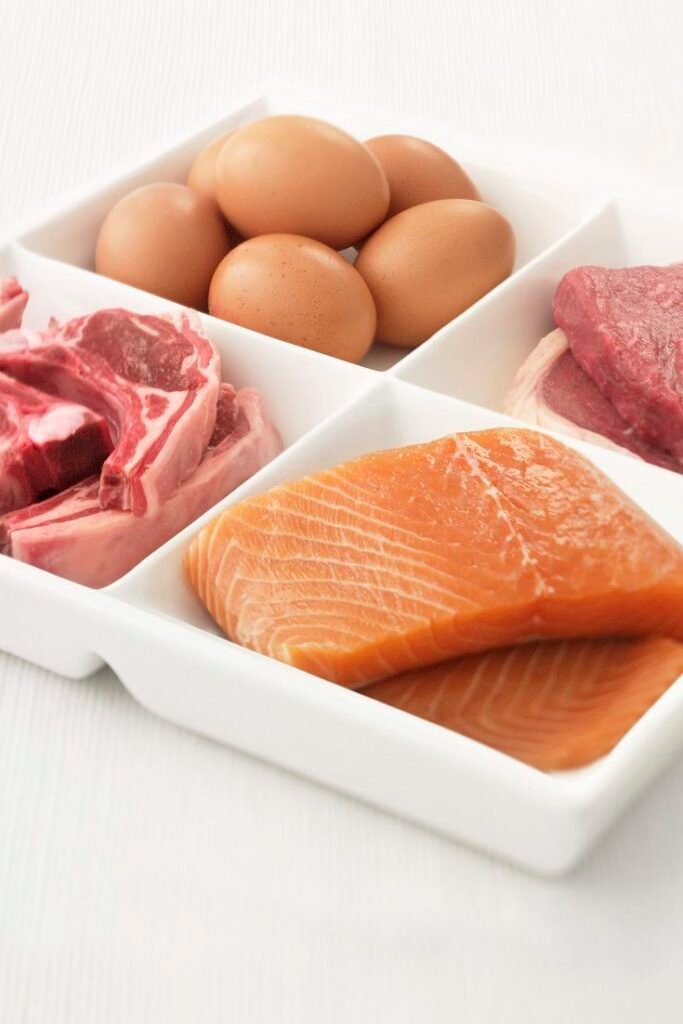
Understanding Protein and Its Role in the Body
Protein is a vital macronutrient that plays a crucial role in various physiological processes essential for maintaining overall health. Composed of amino acids, proteins can be categorized into two main types: complete proteins and incomplete proteins. Complete proteins contain all nine essential amino acids that the body cannot synthesize on its own, while incomplete proteins lack one or more of these essential acids. Sources of complete protein include animal products such as meat, fish, and dairy, whereas incomplete proteins are typically found in plant-based foods like beans, grains, and nuts.
Thank you for reading this post, don't forget to subscribe!One of the primary functions of protein is muscle building, repair, and maintenance. During physical activities or when the body undergoes stress, muscle fibers can become damaged, necessitating immediate repair. Protein aids in the recovery process by providing the amino acids required for muscle tissue synthesis. Additionally, protein plays a significant role in hormone production, which is integral for regulating numerous bodily functions, including growth, metabolism, and mood. Hormones such as insulin and human growth hormone are protein-based and critical for maintaining homeostasis.
Moreover, protein contributes to immune function, acting as a building block for antibodies that help the body fend off infections. A strong immune system is reliant on adequate protein intake to produce these necessary defense mechanisms. Furthermore, protein is involved in energy production and metabolic processes. Although carbohydrates and fats are typically the primary sources of energy, the body can utilize protein for energy when other sources are insufficient. Ensuring sufficient protein intake is essential not only for muscle health but also for sustaining energy levels and supporting metabolic functions.
Daily Protein Requirements: How Much Do You Actually Need?
Protein is an essential macronutrient that plays a critical role in various bodily functions, including muscle repair, immune function, and hormone production. Knowing how much protein you need daily depends on several factors, including age, sex, activity level, and specific health considerations. The Recommended Dietary Allowance (RDA) for protein varies among individuals, which is why it is crucial to understand these variations.
According to the USDA and the WHO, the general RDA for protein is 0.8 grams per kilogram of body weight for sedentary adults. This means that a person weighing 70 kg (approximately 154 lbs) should aim for about 56 grams of protein daily. However, this requirement increases for those who engage in regular physical activity, such as athletes or those involved in muscle-building regimens. Individuals with higher training demands may require between 1.2 to 2.0 grams of protein per kilogram, depending on their specific goals.
Moreover, certain life stages and health conditions also influence protein needs. For example, pregnant and breastfeeding women are advised to increase their protein intake to support the growth and development of the fetus or infant. In these cases, the recommended intake may be as high as 1.1 grams per kilogram during pregnancy and 1.3 grams during lactation. Older adults may also require more protein to prevent muscle loss associated with aging, with some recommendations suggesting an intake of 1.0 to 1.2 grams per kilogram for this demographic.
Overall, the protein requirements can vary significantly based on lifestyle and individual health conditions. Therefore, it is advisable to consider these guidelines and consult with a healthcare professional to determine the optimal daily protein intake for one’s specific needs.
Sources of Protein: Choosing the Right Options
When considering how much protein one needs daily, the sources of this essential macronutrient play a significant role. Protein can be divided into two main categories: animal-based and plant-based sources. Understanding the quality of these sources is crucial in meeting one’s protein requirements effectively and healthily.
Animal-based protein sources include lean meats, poultry, fish, and dairy products. Lean meats, such as chicken breast and turkey, provide high-quality protein while being lower in saturated fat. Fish, particularly oily varieties like salmon and sardines, not only offer protein but also essential omega-3 fatty acids, which promote heart health. Dairy products like yogurt, cheese, and milk are also abundant in protein and contain vital nutrients such as calcium.
On the other hand, plant-based proteins are derived from legumes, nuts, seeds, and certain grains. Legumes, including beans, lentils, and chickpeas, are excellent sources of protein and also provide dietary fiber. Nuts and seeds, such as almonds, walnuts, chia seeds, and flaxseeds, offer a good protein content along with healthy fats and various micronutrients. Incorporating a combination of these options ensures that vegetarians and vegans can meet their protein needs without relying solely on animal products.
There is often concern regarding the protein quality in vegetarian and vegan diets; however, by consuming a variety of plant-based sources, individuals can achieve sufficient protein intake. Foods like quinoa and soy products, including tofu and tempeh, are complete proteins, meaning they contain all essential amino acids needed for various bodily functions.
Ultimately, the choice of protein source should focus on nutritional value and personal dietary preferences. A balanced and varied diet incorporating both animal and plant-based proteins can support overall health and well-being.
How to Calculate Your Personal Protein Needs
Determining your personal protein needs is an essential step in optimizing your diet for health and fitness. The amount of protein required can vary significantly based on individual factors such as body weight, activity level, and specific health goals.
A common method for estimating protein intake is to use body weight as a baseline. The general recommendation suggests that adults should consume around 0.8 grams of protein per kilogram of body weight. For instance, if an individual weighs 70 kilograms, their daily protein requirement would be approximately 56 grams. However, this figure may change based on lifestyle factors:
- For sedentary individuals: The recommended protein intake may align with the general recommendation of 0.8 grams per kilogram.
- For active individuals: Those engaged in regular exercise or strength training may need between 1.2 to 2.0 grams per kilogram of body weight to support muscle repair and growth.
- For specific goals: Individuals aiming for weight loss may benefit from higher protein intake to promote satiety, while those focused on muscle gain should also increase protein to support muscle synthesis.
Tracking your protein consumption can be facilitated through food diaries or mobile applications designed for nutrition tracking. Recording daily food intake not only helps you stay accountable but also provides insight into whether you are meeting your protein goals. Many apps allow you to scan barcodes or search food items, simplifying the process of logging meals.
Ultimately, understanding your personal protein needs requires assessing your lifestyle, health objectives, and activity levels. By calculating an appropriate protein intake based on these factors and utilizing tracking tools, you can tailor your diet to better meet your nutritional requirements.