
Understanding the Aging Process
The aging process is a complex biological phenomenon characterized by gradual physiological changes that can lead to a decline in bodily functions and a higher susceptibility to various diseases. Two key biological mechanisms that contribute substantially to aging are cellular damage and oxidative stress. Cellular damage refers to the deterioration of cellular structures, including DNA, proteins, and lipids, which can occur due to environmental factors, genetic influences, and metabolic activities. As cells become damaged, their ability to function optimally diminishes, leading to signs such as wrinkles, loss of elasticity in the skin, and muscle degeneration.
Thank you for reading this post, don't forget to subscribe!Oxidative stress arises when there is an imbalance between free radicals and antioxidants in the body. Free radicals are unstable molecules produced during metabolic processes and exposure to environmental toxins. When their levels exceed those of antioxidants—substances that neutralize free radicals—cellular damage becomes likely. This process contributes to inflammation, which is another factor linked to aging and age-related diseases, including cardiovascular disorders and neurodegenerative conditions.
Nutrition plays a pivotal role in combatting the effects of aging by providing the body with essential nutrients that can help repair cellular damage and reduce oxidative stress. A diet rich in antioxidants, vitamins, and minerals supports the body’s defense mechanisms against free radicals. Foods such as fruits, vegetables, nuts, seeds, and whole grains are excellent sources of these beneficial compounds. They not only aid in preventing the deterioration linked with aging but also enhance overall health and vitality. Incorporating these anti-aging foods into one’s daily regimen may offer a proactive approach to maintaining youthfulness and wellness as one ages.
Key Nutrients for Anti-Aging
Numerous nutrients have garnered attention for their potential in promoting longevity and mitigating signs of aging. Among these, vitamins, minerals, and essential fatty acids stand out for their beneficial roles in cellular health and overall well-being.
Vitamin C is pivotal for skin health, known for its role in collagen synthesis. Collagen is a crucial protein that maintains skin elasticity and firmness, effectively reducing the appearance of wrinkles. Furthermore, Vitamin C acts as a powerful antioxidant, combating oxidative stress caused by free radicals—elements that accelerate aging. Regular consumption of Vitamin C-rich foods, such as citrus fruits, strawberries, and bell peppers, can significantly enhance skin vitality.
Vitamin E complements the benefits of Vitamin C as another essential antioxidant. It protects cell membranes from oxidative damage and supports skin repair processes. Sources rich in Vitamin E, like nuts, seeds, and green leafy vegetables, also provide anti-inflammatory properties that soothe the skin and promote a youthful glow.
In addition to these vitamins, minerals such as selenium and zinc play critical roles in anti-aging. Selenium is integral for regulating oxidative stress and supporting the body’s immune system. Foods rich in selenium include Brazil nuts and seafood, which can contribute to improved skin elasticity and overall health. Similarly, zinc aids in wound healing and skin health; it is found in foods such as meat, legumes, and whole grains. Adequate zinc levels are essential for maintaining proper skin function and cellular repair.
Lastly, omega-3 fatty acids are essential for maintaining skin integrity and moisture levels. These healthy fats, found in fatty fish, flaxseeds, and walnuts, help reduce inflammation, which is often linked to visible signs of aging. Incorporating these key nutrients into one’s diet can significantly enhance skin health while promoting longevity and overall wellness.
Top Anti-Aging Foods to Include in Your Diet
Incorporating specific anti-aging foods into your diet can significantly enhance your overall health while combating the signs of aging. Nutritional science has identified several key foods that boast remarkable benefits for skin health, aiding in wrinkle reduction and improving skin elasticity. This guide highlights some of the best anti-aging foods, focusing on their individual contributions to beauty and wellness.
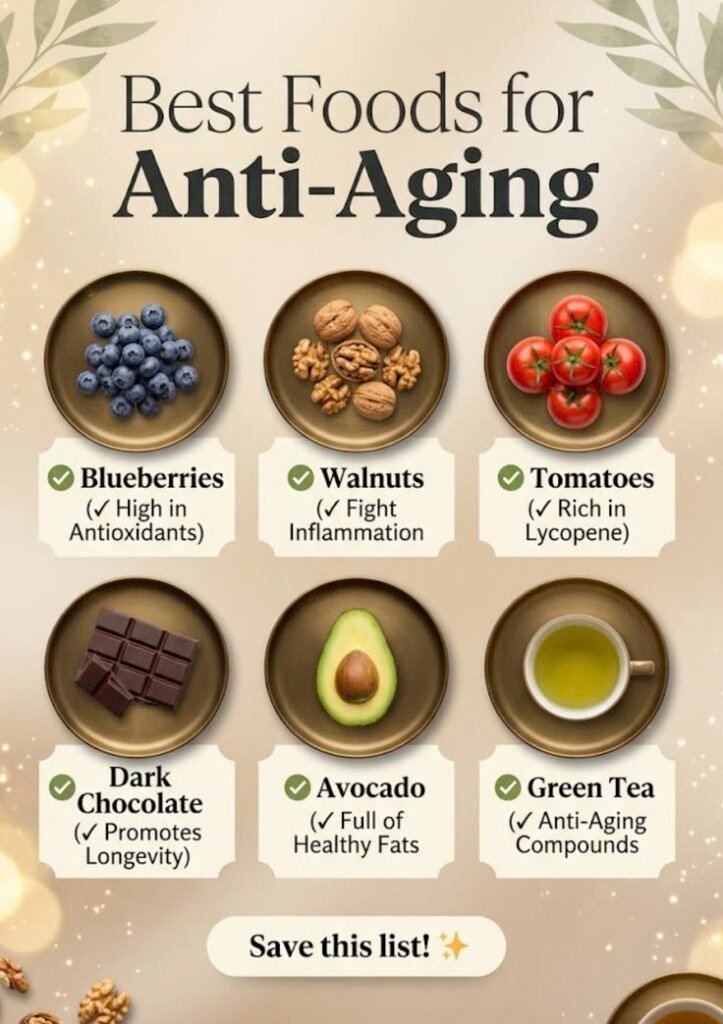
First on the list are berries, such as blueberries, strawberries, and raspberries. These fruits are rich in antioxidants, particularly vitamin C and flavonoids, which protect skin cells from oxidative stress and promote collagen production. Including a handful of berries in your morning yogurt or smoothie can provide a delightful and nutritious start to your day.
Leafy greens such as spinach, kale, and Swiss chard are also critical in any anti-aging diet. Packed with vitamins A, C, E, and K, these greens support skin health and provide essential nutrients that can fight inflammation. Adding a fresh salad with a variety of greens or incorporating them into soups can enhance your intake effortlessly.
Nuts, particularly almonds and walnuts, offer healthy fats and vitamin E, which can help maintain skin’s moisture and elasticity. A small handful of nuts can serve as a great snack or can be added to salads and oatmeal for an added crunch and nutritional boost.
Last but not least, fatty fish like salmon and mackerel are excellent sources of omega-3 fatty acids. These healthy fats are vital for maintaining skin hydration and elasticity while reducing inflammation. Consider grilling salmon for dinner or enjoying canned tuna on a salad.
To creatively include these anti-aging foods in your diet, consider preparing berry smoothies, leafy green salads, nut-based snacks, or fatty fish dishes. This approach not only supports skin health but also enhances overall well-being, making it easier to savor the journey of aging gracefully.
Lifestyle Factors and Anti-Aging
While incorporating anti-aging foods into one’s diet is vital, it is equally important to consider broader lifestyle factors that significantly contribute to healthy aging. A holistic approach that includes hydration, physical activity, quality sleep, and effective stress management offers complementary benefits that enhance the advantages of a nutrient-rich diet.
Hydration plays a crucial role in skin health and overall bodily functions. Adequate water intake helps maintain skin elasticity and can diminish the appearance of fine lines and wrinkles. Moreover, proper hydration assists in detoxification and nutrient absorption, further amplifying the effects of the nutrients obtained from anti-aging foods.
Physical activity is another cornerstone of healthy aging. Regular exercise promotes blood circulation, which enhances nutrient delivery to tissues and supports skin health. Moreover, it can help manage weight, reduce stress levels, and improve mood through the release of endorphins. Engaging in both aerobic exercises and resistance training can build muscle and strengthen joints, contributing to overall vitality.
Additionally, quality sleep cannot be overstated in its importance. Sleep allows the body to repair and regenerate cells, and it is during this time that growth hormones are secreted. Insufficient sleep has been linked to premature aging symptoms, such as sagging skin and increased wrinkles, due to cortisol’s effect on collagen production. Establishing a regular sleep routine and ensuring optimal sleeping conditions can further enhance the body’s regenerative processes.
Finally, effective stress management is essential for maintaining an overall sense of well-being. Chronic stress can lead to oxidative stress, which accelerates the aging process and negatively impacts physical health. Incorporating practices such as mindfulness, meditation, or yoga can alleviate stress and foster a more balanced lifestyle.
In conclusion, while the consumption of anti-aging foods is a significant factor in promoting longevity and vitality, a comprehensive lifestyle approach—encompassing hydration, physical activity, sleep hygiene, and stress management—is pivotal for maximizing the benefits of these nutritious foods.