
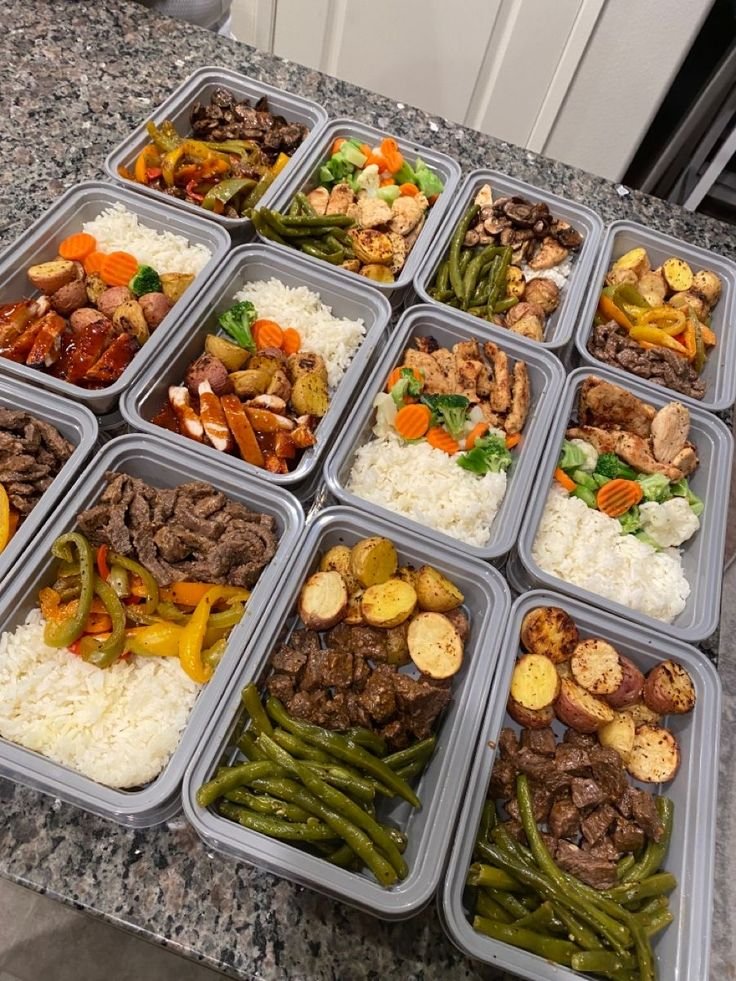
Understanding Meal Prep: The What’s and Why’s
Meal prepping is the practice of planning and preparing meals in advance to alleviate the stress and time constraints of daily cooking. This method has gained popularity among individuals with busy schedules, offering numerous advantages that simplify healthy eating. At its core, meal prep is about creating a strategy that ensures nutritious meals are readily available, which can lead to improved dietary habits.
Thank you for reading this post, don't forget to subscribe!One of the primary benefits of meal prepping is the significant time savings it affords. By dedicating a few hours during the week to prepare meals in advance, individuals can enjoy ready-to-eat options that would otherwise require more extensive cooking time during hectic weekdays. This practice not only streamlines the process of meal consumption but also reduces the temptation to resort to unhealthy quick fixes, such as fast food or processed snacks.
Moreover, meal prepping fosters better dietary choices. When nutritious meals are prepped and stored, it becomes easier to stick to a balanced diet, as individuals are less likely to succumb to cravings for high-calorie options. This proactive approach encourages the incorporation of more whole foods and variety into one’s diet, contributing to overall well-being.
Despite its growing acclaim, several misconceptions about meal prepping persist. A common notion is that meal prep requires an extraordinary amount of time and effort. However, meal prepping can be tailored to fit any schedule, whether it involves preparing a week’s worth of meals all at once or cooking in smaller batches to accommodate busy days. In reality, the practice can be as simple or elaborate as desired, making it accessible for everyone, regardless of cooking skills or available time.
Essential Tools and Equipment for Efficient Meal Prep
Meal prepping can significantly enhance the efficiency of your cooking routine, especially when time is of the essence. The right tools and equipment are essential for making your meal preparation process not only quicker but also more enjoyable. A good set of sharp knives can be a game-changer; they ensure you can chop, dice, and slice with precision, cutting down on the time you spend on food prep. Investing in a quality cutting board will also provide a sturdy surface and protect your countertops.
Another critical item in your kitchen arsenal is a reliable set of measuring cups and spoons, which guarantees that you can accurately follow recipes without guesswork, preventing potential culinary mishaps. Additionally, high-quality pots and pans that distribute heat evenly can expedite the cooking process and yield better results.
Storage containers are equally vital in a successful meal prep strategy. Opt for durable, microwave-safe containers in various sizes to accommodate different meal portions. Glass containers are especially useful for their ability to withstand temperature changes and maintain food freshness. If your meal prep often involves bulk cooking, consider investing in a food processor or a slow cooker. These appliances save significant time and effort while enabling you to prepare a variety of dishes.
To further enhance efficiency, organize your prep area. Clear off unnecessary clutter and have your tools within arm’s reach. Arrange your ingredients logically, grouping similar items together to streamline your cooking process. The goal is to create an organized and functional workspace that allows you to focus on preparing healthy meals quickly. By selecting the right tools and maintaining an efficient kitchen environment, you can truly meal prep like a pro, even in the busiest of times.
Quick and Easy Meal Prep Strategies for the Time-Strapped
For individuals balancing hectic schedules, meal prepping might seem daunting. However, there are strategies that can transform meal preparation into a manageable, efficient process. One effective method is batch cooking, where larger quantities of staple foods are prepared ahead of time and stored for later use. This technique not only saves time but also ensures that healthy meals are readily available throughout the week.
Another strategy to consider is the use of freezer meals. Preparing meals in bulk and freezing portions can significantly cut down on cooking time during busy days. When planning meals for freezing, select recipes that maintain their flavor and texture once thawed. Options such as casseroles, soups, and pre-mixed stir-fry ingredients are excellent choices. Labeling containers with the date and type of meal can streamline the process of choosing which meal to eat.
Choosing simple recipes that require minimal prep work is also crucial. Focusing on a few core ingredients with versatile uses allows for a variety of meals without extensive shopping or cooking time. Dishes that can be made in 30 minutes or less, using one-pot or sheet-pan methods, are particularly advantageous for busy lifestyles. Additionally, considering a well-balanced meal structure that includes proteins, grains, and vegetables can facilitate quicker preparation since most components can be prepped simultaneously.
Effective meal prep requires time management skills as well. Allocating a specific time each week for meal prepping can ensure it becomes part of one’s routine. Utilizing a planner or digital calendar to set reminders can further aid in maintaining consistency. With these strategies, even the busiest individuals can embrace meal prep as a viable solution for healthy eating, aiding in time efficiency without compromising on nutrition.
Sample Meal Prep Plans and Recipes
Meal prepping can be a game-changer for those with busy schedules, providing nutritious home-cooked meals without the everyday hassle. Here’s a breakdown of meal prep plans tailored for various dietary needs, ensuring you can maintain a healthy lifestyle even when time is limited.
For a vegetarian option, consider preparing a quinoa salad. Combine cooked quinoa with diced cucumbers, cherry tomatoes, bell peppers, and black beans. Season with lemon juice, olive oil, salt, and pepper. This salad can be stored in the refrigerator for up to five days. A simple grocery list includes quinoa, cucumbers, tomatoes, bell peppers, black beans, lemon, and olive oil. Step-by-step: Cook the quinoa according to package instructions, chop the vegetables, mix all ingredients in a large bowl, and portion into meal prep containers.
If you are following a low-carb diet, a pack of grilled chicken with roasted broccoli and cauliflower can be ideal. To make this, season chicken breasts with Italian herbs, grill them until cooked through, and roast the broccoli and cauliflower toss with garlic. Pack these into containers; the meal lasts in the fridge for up to four days. Ingredients needed are chicken breasts, broccoli, cauliflower, olive oil, and seasoning. Start by grilling the chicken and then roasting the vegetables until they are tender.
For those needing a gluten-free option, prepare a sweet potato and black bean bowl. Roast sweet potatoes in the oven, combine with black beans, avocado, and corn. This dish provides excellent nutrition and can be kept fresh in the fridge for about five days. The grocery list consists of sweet potatoes, black beans, corn, avocados, and lime. Preparation involves roasting the potatoes, mixing in the beans and corn, and adding diced avocado before serving.
Feel free to modify these recipes to suit your flavor preferences. Add different spices or dressings to personalize your meal prep. Experimenting with ingredients can keep your meal prep exciting and prevent monotony. In conclusion, these sample plans and recipes cater to various dietary requirements while ensuring your meal prep routine remains efficient and enjoyable.