
Understanding Plant-Based Proteins
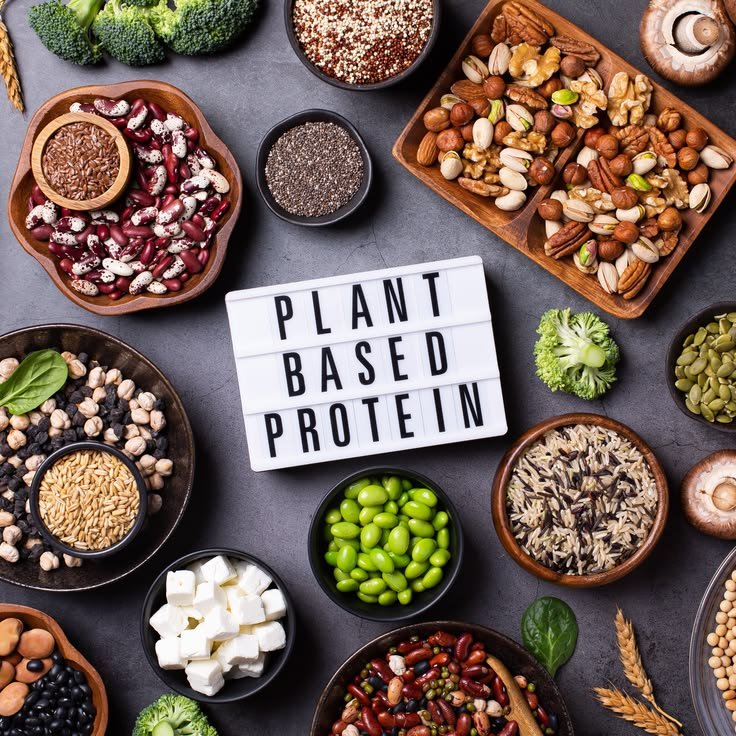
Plant-based proteins are derived from various plant sources and are essential components of a balanced diet. These proteins are crucial for building and repairing tissues and offer numerous health benefits. Common sources of plant-based proteins include legumes, nuts, seeds, grains, and soy products. Each of these sources has unique nutritional profiles, making them valuable for different dietary needs.
Thank you for reading this post, don't forget to subscribe!Legumes, such as lentils, chickpeas, and beans, are among the highest sources of plant protein. They are rich in fiber, vitamins, and minerals, contributing to a well-rounded diet. Additionally, legumes provide essential amino acids, which are critical for muscle development and overall health. Their versatility allows for various culinary uses, making them a staple in plant-based diets.
Nuts and seeds, including almonds, walnuts, chia seeds, and flaxseeds, also serve as excellent protein sources. Besides protein content, they are rich in healthy fats, which support heart health and aid in the absorption of fat-soluble vitamins. These foods are often consumed as snacks or incorporated into dishes for added texture and flavor.
Grains such as quinoa, amaranth, and brown rice provide significant protein, albeit in lower amounts compared to legumes. Whole grains can also enhance dietary fiber intake, promoting digestive health and sustained energy levels. Furthermore, grains can incorporate essential nutrients such as B vitamins and iron.
Soy products, including tofu, tempeh, and edamame, are particularly notable for their high protein content. Soybeans are considered a complete protein, as they contain all nine essential amino acids required by the body. This characteristic makes soy an attractive alternative to animal proteins, particularly for those seeking to reduce meat consumption while ensuring adequate protein intake.
In comparison to animal proteins, plant-based proteins generally provide lower levels of saturated fats and fewer calories, allowing for healthier dietary choices. They also contribute to a lower risk of chronic diseases, making them an integral part of a health-conscious lifestyle. Overall, incorporating a variety of plant-based proteins can enhance nutritional balance and support overall well-being.
Health Benefits of Plant-Based Proteins
Plant-based proteins have garnered increasing attention for their numerous health benefits, contributing not only to nutritional needs but also promoting overall well-being. Research consistently highlights how the consumption of these proteins can enhance heart health. Foods rich in plant proteins, such as beans, lentils, and legumes, are typically low in saturated fat and cholesterol, thereby reducing the risk of cardiovascular diseases. Studies show that diets high in plant-based foods are associated with lower blood pressure and improved cholesterol levels, which are critical factors in maintaining a healthy heart.
In addition to heart health, plant-based proteins play a vital role in effective weight management. They are generally lower in calories compared to animal proteins, allowing individuals to enjoy larger portions without overconsumption of calories. Moreover, the fiber content found in many plant-based protein sources aids in promoting satiety, thereby reducing unhealthy snacking and leading to better appetite control. According to various nutritional guidelines, including those from the American Heart Association, incorporating more plant-based proteins can facilitate healthier weight loss and prevent obesity.
Furthermore, the dietary inclusion of plant-based proteins is associated with a reduced risk of chronic diseases such as type 2 diabetes and certain types of cancer. Various scientific studies indicate that regular consumption of plant proteins contributes to improved blood sugar control, which is paramount in managing and preventing diabetes. Antioxidants and phytochemicals found abundantly in plant sources also possess anti-inflammatory properties, which can further mitigate the risk of various chronic health conditions. As a result, including plant-based proteins in one’s diet can not only meet nutritional needs but also serve as a proactive approach to enhancing long-term health and wellness.
Potential Drawbacks of Plant-Based Proteins
While plant-based proteins are gaining popularity for their health benefits and environmental sustainability, it is important to consider potential drawbacks associated with them. One notable concern is the incomplete amino acid profile of many plant protein sources. Unlike animal proteins, which generally provide all nine essential amino acids, most plant-based proteins lack one or more of these amino acids. For example, legumes are typically low in methionine, while grains are often deficient in lysine. Therefore, individuals relying solely on plant proteins may need to combine different sources, such as beans and rice, to ensure they obtain sufficient essential amino acids.
Another issue that can arise from consuming plant-based proteins is digestive discomfort. Some individuals may experience bloating, gas, or other gastrointestinal disturbances when increasing their intake of legumes and other fiber-rich foods. This is mainly due to the oligosaccharides found in beans and some whole grains, which can ferment in the gut and lead to these uncomfortable symptoms. For those with sensitive digestive systems or predispositions to irritable bowel syndrome, careful consideration must be given when integrating high amounts of plant proteins into their diet.
Moreover, individuals on a strictly plant-based diet may face nutritional deficiencies if not properly planned. Nutrients such as vitamin B12, omega-3 fatty acids, iron, and zinc, which are typically found in animal products, may be less readily available or absorbable from plant sources. Consequently, individuals adhering to a plant-based protein-centric diet should be mindful to either enrich their diet with fortified foods, consider supplementation, or be diligent about including a variety of nutrient-dense plant foods to mitigate these risks.
Making the Switch: Tips for Incorporating Plant-Based Proteins
Incorporating plant-based proteins into your diet can be both exciting and rewarding. To make this transition smoother, it is essential to start with small, manageable changes. Begin by replacing one or two meals a week with plant-based options. For example, consider a hearty lentil stew or a chickpea salad as a satisfying alternative to traditional meat-based meals. Gradually increasing the frequency will help you adapt your palate and appreciate the diverse flavors available in plant-based cuisine.
Pairing plant-based proteins with complementary foods can enhance nutrient absorption and improve the overall protein quality of your meals. Combining legumes, such as black beans or kidney beans, with whole grains like brown rice or quinoa creates a complete protein, which provides all essential amino acids. This strategy not only aids in achieving a balanced diet but also ensures that your body gets the necessary nutrients it needs for optimal function.
For those accustomed to animal products, it is advisable to explore a variety of plant-based protein sources. Options like tofu, tempeh, seitan, nuts, seeds, and edamame offer excellent nutrition and can be easily incorporated into various dishes. Furthermore, consider adding a diverse range of fruits and vegetables to enhance your diet while taking advantage of the multitude of vitamins, minerals, and antioxidants they provide.
As you embrace this dietary shift, it is crucial to remain mindful of your overall nutritional needs. A well-rounded diet is essential for maintaining health, especially when reducing or eliminating animal products. You may want to consult with a registered dietitian to ensure you meet your individual dietary needs, particularly for nutrients such as vitamin B12, iron, and omega-3 fatty acids, which may require careful planning in a plant-based diet.
With thoughtful planning and openness to new flavors, incorporating plant-based proteins can be a satisfying and health-conscious decision.