
Introduction to Healthy Pantry Staples
In the realm of home cooking, the concept of healthy pantry staples plays a crucial role in meal preparation. A well-stocked pantry serves as the backbone of nutritious cooking, providing home cooks with a variety of essential items that make it easier to prepare wholesome meals. Healthy pantry staples not only facilitate the cooking process but also encourage creativity in the kitchen, allowing cooks to experiment with different flavors, textures, and cuisines.
Thank you for reading this post, don't forget to subscribe!By having a selection of healthy staples on hand, individuals can create balanced meals more efficiently, reducing their reliance on time-consuming trips to the grocery store and minimizing impulse purchases, which often lead to unhealthy choices. Staples such as whole grains, legumes, canned vegetables, and spices can be easily incorporated into various dishes, enhancing both nutritional value and taste.
Additionally, maintaining a well-stocked pantry helps in meal planning and reduces food waste. When home cooks are equipped with nutritious ingredients, they can effectively plan their meals throughout the week, making grocery shopping more strategic and intentional. This not only promotes healthier eating habits but also saves time in the long run, as the availability of versatile ingredients encourages quick meal preparation.
Overall, embracing the concept of healthy pantry staples can significantly support a healthy lifestyle. It empowers home cooks to take control of their nutrition, fostering the ability to whip up nutritious meals quickly and easily at home. Moreover, the practice of stocking up on these ingredients can lead to more mindful eating and greater satisfaction in the culinary process.
Essential Pantry Staples for a Healthy Diet
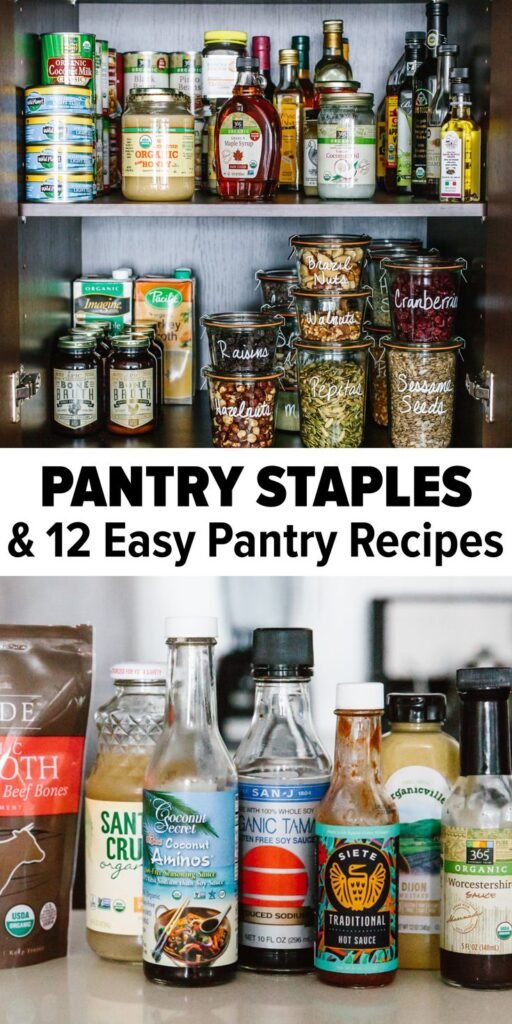
A well-stocked pantry is fundamental for any home cook aiming to maintain a nutritious diet. Essential pantry staples not only provide versatility in meal preparation but also offer numerous health benefits. Here are twelve staples that every home cook should consider keeping on hand.
1. Whole Grains: Whole grains such as brown rice, quinoa, and oats are rich in fiber, vitamins, and minerals. They are essential for heart health and provide a sustained energy source.
2. Legumes: Beans, lentils, and chickpeas are excellent plant-based protein sources offering high fiber content and essential micronutrients. They are versatile ingredients that can be added to salads, soups, and stews.
3. Nuts: Almonds, walnuts, and pecans are healthy fats that promote brain health. Consuming nuts helps reduce cholesterol levels and contributes to overall heart health.
4. Seeds: Chia seeds, flaxseeds, and pumpkin seeds are packed with omega-3 fatty acids, fiber, and protein. These seeds can enhance smoothies, oatmeal, and baked goods.
5. Olive Oil: Extra virgin olive oil is a heart-healthy fat known for its anti-inflammatory properties. It is ideal for cooking and dressings due to its rich flavor.
6. Canned Tomatoes: A staple in many cuisines, canned tomatoes provide a base for diverse dishes. They are high in vitamins C and K and lycopene, which may reduce the risk of certain diseases.
7. Spices: A variety of spices—including turmeric, cinnamon, and cumin—enhance flavor without added sugars or salt. Their health benefits range from anti-inflammatory properties to digestive support.
8. Vinegar: Balsamic, apple cider, or red wine vinegar can elevate salad dressings, marinades, and sauces. Vinegars are known for aiding digestion and may help regulate blood sugar levels.
9. Coconut Milk: This dairy alternative adds richness to many dishes while being a source of healthy fats. It is commonly used in soups, curries, and smoothies.
10. Honey or Maple Syrup: Natural sweeteners like honey and maple syrup can replace refined sugars. These sweeteners provide some antioxidants while adding a unique flavor to dishes.
11. Dried Fruits: Raisins, apricots, and figs are great for snacking and can be added to cereals or salads. They supply vital nutrients and are a healthy energy source.
12. Broth or Stock: Vegetable or chicken broth is ideal for cooking grains or adding flavor to dishes. Homemade or low-sodium options are preferred for a healthier choice.
Keeping these pantry staples on hand will allow home cooks to prepare balanced meals while ensuring a nutritious lifestyle is maintained. Each ingredient contributes to overall health, making them essential for anyone committed to clean eating.
Tips for Selecting and Storing Pantry Staples
Selecting high-quality pantry staples is crucial for maintaining a hearty and nutritious kitchen. When shopping, always examine the labels of items such as grains, canned goods, and oils. Look for products that have minimal ingredients; for instance, whole grains should ideally have whole grain as the first ingredient without added sugars or preservatives. Furthermore, organic and non-GMO labels can be indicators of higher quality, especially for staples like rice, pasta, and canned vegetables.
When it comes to oils, olive oil and coconut oil present numerous health benefits, but it’s essential to choose extra virgin quality to maximize these advantages. Additionally, always check expiration dates, as opting for items with a longer shelf life ensures that you won’t end up with spoiled products.
To avoid unhealthy options, be cautious of items that contain high sodium levels or artificial additives. It’s also a good practice to compare different brands in terms of nutritional value. Many times, a store brand may offer the same quality at a lower price.
Once you’ve selected your pantry staples, proper storage is key to extending their shelf life. For dry goods such as rice, grains, and beans, keeping them in airtight containers helps prevent moisture and pest infestations. A cool, dark place in your kitchen is ideal for maintaining their freshness. Spices, on the other hand, should be stored in a pantry away from direct sunlight to preserve their flavor and potency.
Finally, organizing your pantry can simplify meal preparation significantly. Grouping similar items together — such as grains, spices, and canned goods — can make it easier to locate what you need during cooking. Additionally, arranging items based on frequency of use can help streamline your cooking process. Regularly checking your pantry to rotate items with closer expiration dates ensures that you always have fresh, high-quality ingredients on hand for your meals.
Easy Recipes Using Pantry Staples
Incorporating pantry staples into your meals does not have to be complicated. Here are some simple and healthy recipes that utilize common pantry ingredients, ensuring you can create nutritious meals with ease.
Start your day with a quick and nutritious overnight oats recipe. Combine rolled oats, chia seeds, and your choice of milk in a jar. Add a sweetener like honey or maple syrup and your favorite fruits, such as berries or bananas. Let this mixture sit in the refrigerator overnight, and you’ll have a healthy breakfast ready to go in the morning.
For lunch, a quinoa salad can be refreshing and fulfilling. Cooked quinoa can be paired with canned beans, such as chickpeas or black beans, and tossed with diced vegetables from your pantry, like bell peppers and corn. Drizzle olive oil and citric acid for added flavor. This dish is packed with protein and fiber, making it a perfect meal option.
When dinner time rolls around, a pasta dish featuring pantry staples can be quick and satisfying. Whole grain pasta cooked al dente can easily be combined with canned tomatoes, garlic, and spices such as basil or oregano for a simple sauce. Additionally, frozen vegetables can be sautéed and added for extra nutrients. This meal is nutritious and can be prepared in less than 30 minutes.
Finally, for a delightful snack or dessert, why not try peanut butter energy bites? Blend oats, peanut butter, honey, and mini chocolate chips or dried fruit. Roll them into bite-sized balls and refrigerate. These treats are not just healthy; they are also convenient for on-the-go snacking.
These easy recipes showcase the versatility of pantry staples, encouraging home cooks to utilize what they have on hand. Healthy cooking can be simple and delicious, allowing you to enjoy your meals without added stress.