
Understanding Processed Foods
Processed foods encompass a broad spectrum of food products that have undergone various levels of processing, ranging from minimal to extensive. At one end of the spectrum are minimally processed foods, such as pre-washed salad greens and frozen fruits, which retain much of their natural characteristics while providing convenience. On the opposing end, we find highly processed foods, like ready-to-eat meals and sugary snacks, which often contain numerous artificial additives and preservatives.
Thank you for reading this post, don't forget to subscribe!At the core of the processing spectrum are processed culinary ingredients, including oils, sugars, and flours that are transformed from raw agricultural products. These ingredients serve as the building blocks for many food formulations, enabling the creation of a variety of meals engineered for extended shelf life and enhanced taste. The techniques employed in food processing have evolved significantly, from early practices such as drying, fermenting, and smoking to modern industrial methods that utilize advanced technology to optimize production efficiency.
The ubiquity of processed foods in today’s diets can be attributed to multiple factors. Convenience is a primary driver, as many individuals lead busy lifestyles that require quick meal solutions. Additionally, processed foods are often designed to be hyper-palatable, appealing to our taste buds and encouraging frequent consumption. Economic considerations also play a significant role; processed foods are typically cheaper to produce and distribute, making them more accessible to a broader demographic.
As consumer awareness increases, understanding the nature of processed foods becomes essential in making informed dietary choices. While not all processed foods are detrimental to health, differentiating between minimally processed items and those laden with additives can significantly impact overall nutrition.
Decoding Food Labels
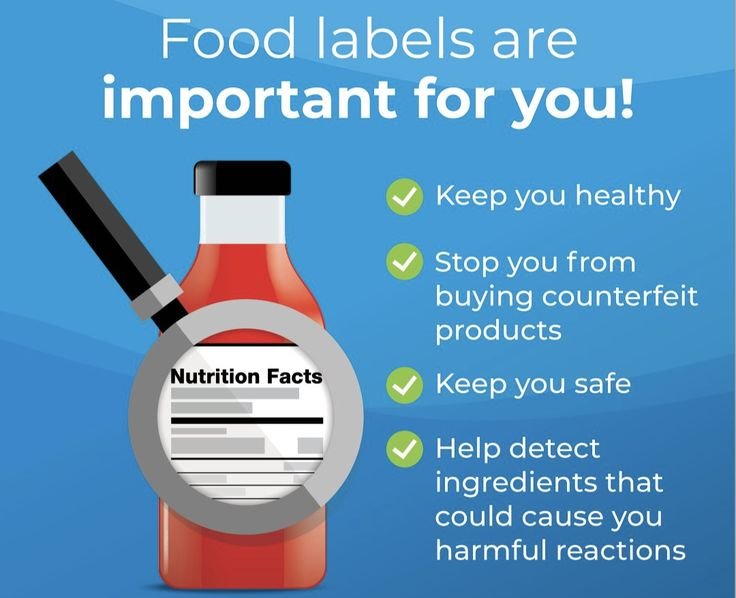
Understanding food labels is essential for making informed choices about processed foods. Despite the plethora of information available, many consumers find themselves confused by terms such as “organic,” “natural,” “fat-free,” and “low-sugar.” These labels often convey specific regulatory meanings, but they may also be subject to interpretation and marketing spin.
For instance, the term “organic” refers to products that are grown and processed without the use of synthetic fertilizers or pesticides. However, simply having an organic label does not necessarily mean the product is healthier. Similarly, the term “natural” is not strictly regulated, allowing manufacturers to use it on items that may still contain additives or preservatives.
When deciphering the meaning of “fat-free” or “low-sugar,” it is critical to examine the context. A “fat-free” product may replace fat with sugar, leading to unintended health consequences. Likewise,”low-sugar” items might still contain substantial amounts of artificial sweeteners or other high-calorie ingredients that can undermine weight management efforts. Therefore, it is beneficial for consumers to scrutinize not just the labels but also ingredient lists and nutritional information.
The ingredient list ranks components by weight, offering insight into what the product is primarily made of. Ingredients listed at the top are present in larger quantities, thus indicating the food’s nutritional profile. Moreover, macronutrient breakdowns on the label highlight essential information about proteins, carbohydrates, and fats, enabling individuals to assess whether the food aligns with their dietary needs.
Marketing tactics can also lead consumers astray. Terms like “light,” “wholesome,” or “heart-healthy” are often used to evoke feelings rather than convey clear nutritional information. Hence, developing label-savvy skills can empower consumers to differentiate between food marketing and the actual nutritional value of processed foods.
Health Implications of Processed Foods
Processed foods, which include items such as canned goods, frozen meals, and snack foods, are often convenient but may carry significant health implications. Numerous studies have established a strong correlation between the consumption of highly processed foods and the prevalence of chronic diseases such as obesity, type 2 diabetes, and cardiovascular diseases. These health issues are attributed to the high levels of added sugars, unhealthy fats, and sodium often found in these products, which can contribute to weight gain and metabolic disorders.
Another crucial aspect to consider is the role of food additives and preservatives commonly present in processed foods. Ingredients such as artificial sweeteners, flavor enhancers, and colorants can pose risks to health. Some studies suggest that certain additives may lead to inflammation and impact gut health by altering the microbiome. Gut health is fundamental for overall well-being, as it is closely linked to immune function, mental health, and risk factors for chronic diseases.
Moreover, the consumption of processed foods has been linked to unfavorable dietary patterns. Individuals who heavily rely on these products often consume lower amounts of whole foods, such as fruits, vegetables, and whole grains, which offer essential nutrients. This dietary shift can lead to deficiencies in vitamins and minerals, further compromising health and increasing disease risk.
In essence, while processed foods provide convenience, their health implications necessitate prudent consideration. Understanding the potential risks associated with regularly consuming these items is critical for making informed dietary choices that support long-term health. An awareness of the impact of processed foods on not just physical health but also gut health offers valuable insight into the necessity for moderation and a more balanced diet.
Making Informed Choices
In a world saturated with processed foods, making informed choices is essential for maintaining a healthy diet. Understanding food labels can be daunting, but it is crucial for discerning the nutritional value of a product. When shopping, prioritize whole foods such as fruits, vegetables, whole grains, lean proteins, and healthy fats, which are far less processed and filled with essential nutrients.
One effective strategy is to familiarize yourself with the common additives and preservatives found in processed foods. Ingredients are listed in order of quantity, so look for items with fewer ingredients, especially those you recognize. Labels that highlight phrases like “natural” or “organic” may still be misleading; thus, meticulous reading is necessary. Nutrition labels, particularly the serving sizes and nutrient densities, can provide a clearer picture of what you are consuming.
In addition to scrutinizing labels, planning meals ahead of time can significantly reduce reliance on processed foods. By preparing a weekly meal plan, you eliminate the need for quick, unhealthy choices during busy weekdays. Incorporate a variety of whole foods into these meals to create balanced diets high in fiber, vitamins, and minerals.
Cooking at home empowers individuals to take control of their dietary intake. Homemade meals allow flexibility in the choice of ingredients, promoting the use of fresh, seasonal produce, which inherently reduces the consumption of processed options. Utilize simple cooking methods such as steaming, grilling, or baking, which preserve the integrity of food while providing pleasurable dining experiences.
Furthermore, when grocery shopping, consider utilizing local farmers’ markets to access fresh, unprocessed options directly from producers. This not only supports local agriculture but also enhances the variety and quality of food available to you.