
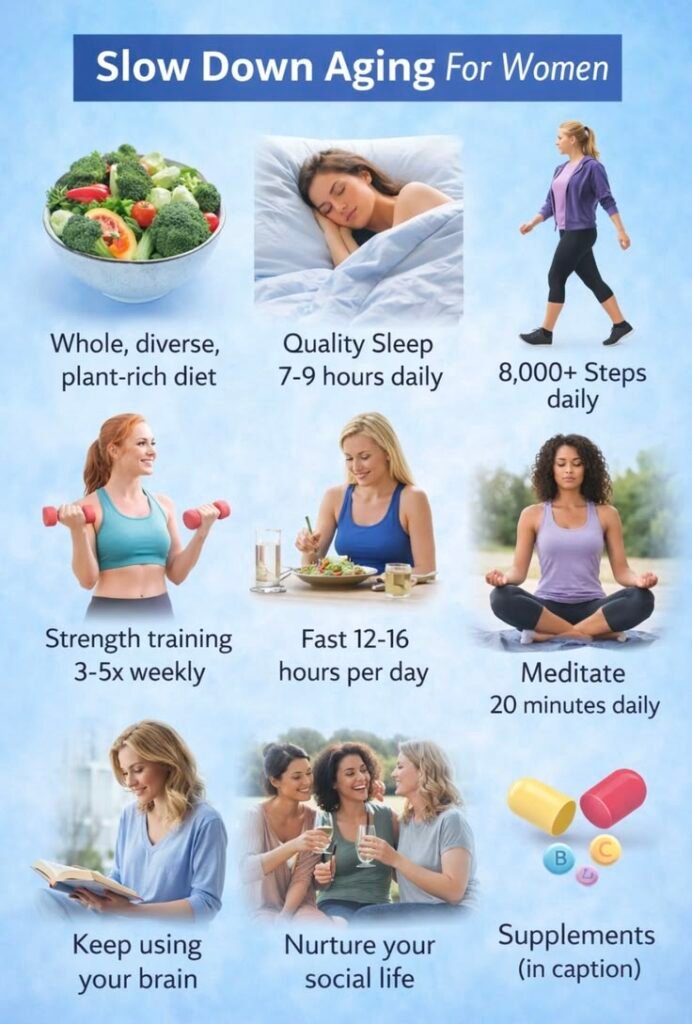
Understanding Aging in Women
Aging is an inevitable biological process that significantly impacts women’s health and well-being. Understanding the aging process in women requires a multifaceted approach, incorporating both biological and lifestyle factors. One of the most distinct transitions occurs during menopause, a natural phase typically occurring between the ages of 45 and 55, which signifies the end of reproductive years. As estrogen and progesterone levels drop, women may experience various physical and emotional changes which can affect their overall health.
Thank you for reading this post, don't forget to subscribe!Hormonal changes during menopause can lead to symptoms such as hot flashes, sleep disturbances, and mood swings. Furthermore, these hormonal fluctuations often contribute to increased risk factors for certain age-related conditions, including osteoporosis and cardiovascular diseases. As such, a deeper understanding of these hormonal changes is crucial in establishing effective strategies for supporting healthy aging.

In addition to hormonal factors, genetics play a significant role in influencing the aging process. Genetic predispositions can affect everything from skin elasticity to metabolism. While one cannot change their genetic makeup, being aware of potential hereditary health issues can guide informed lifestyle choices that may mitigate risks associated with aging.
Moreover, lifestyle factors such as diet, physical activity, and stress management directly impact how women age. A balanced diet rich in antioxidants, regular exercise, and mindfulness practices can enhance physical health and cognitive function, thereby promoting longevity. For instance, engaging in consistent physical activity can improve cardiovascular health and maintain muscle mass, both essential for healthy aging.
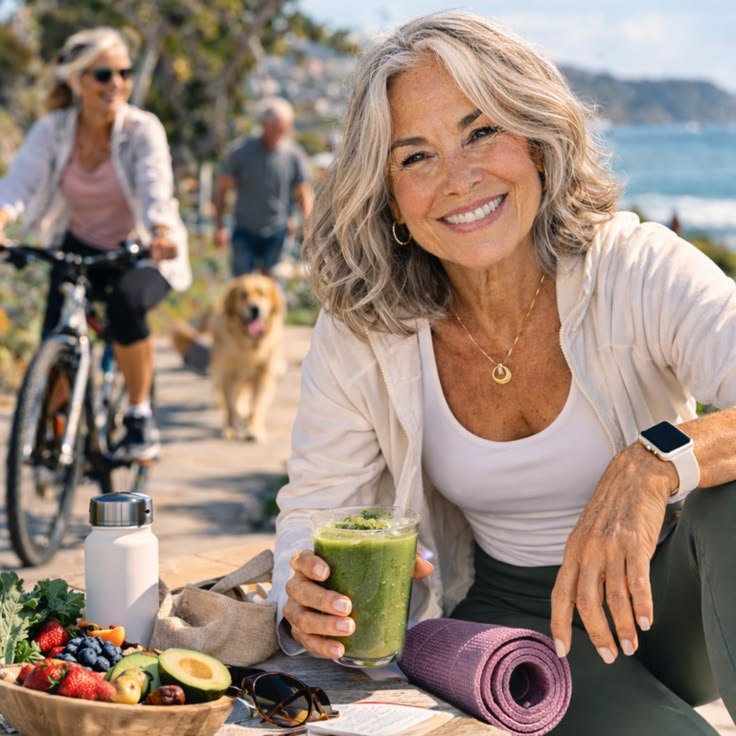
Understanding the complex interplay of these biological and lifestyle factors allows women to take proactive steps in promoting healthier aging. By combining knowledge of hormonal changes, genetic risks, and lifestyle influences, women can better navigate this natural transition with a focus on health and well-being.
Nutrition for Healthy Aging
A well-balanced diet plays a crucial role in supporting healthy aging for women. As individuals age, the body undergoes significant changes that require a thoughtful approach to nutrition. Essential nutrients such as calcium, vitamin D, omega-3 fatty acids, and antioxidants become increasingly important, working together to promote overall wellness and reduce the risk of age-related diseases.
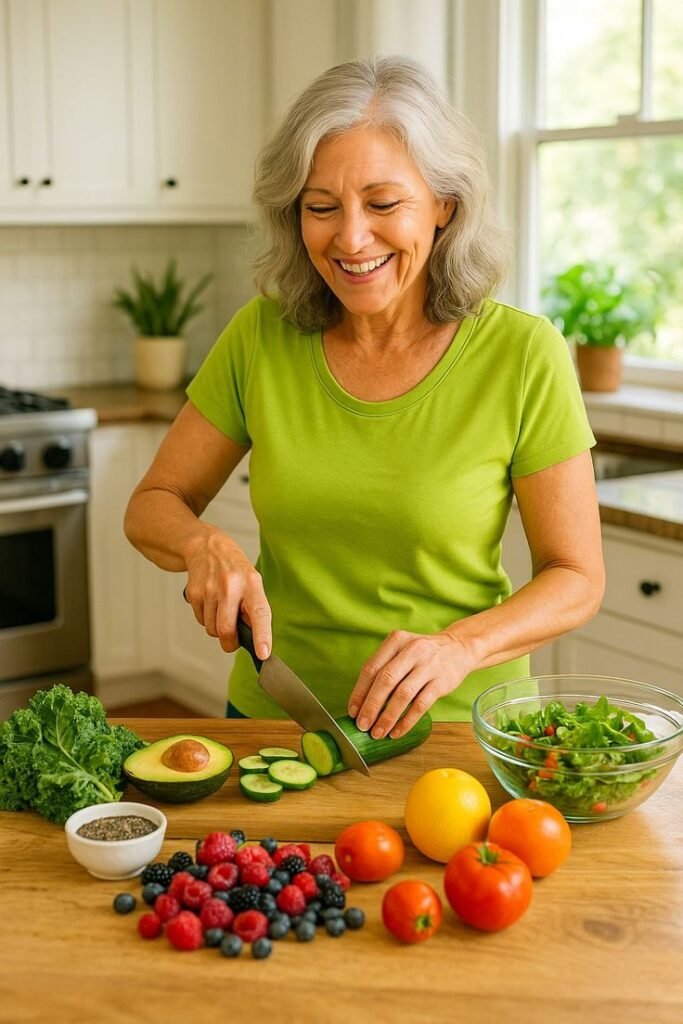
Calcium and vitamin D are vital for maintaining bone health, especially for women who are at higher risk of osteoporosis as they age. Incorporating dairy products, leafy greens, and fortified foods can help ensure adequate intake. Vitamin D can also be synthesized through sunlight exposure, making it beneficial to engage in outdoor activities while practicing sun safety.
Omega-3 fatty acids, primarily found in fatty fish, walnuts, and flaxseeds, have been shown to support brain health and reduce inflammation. Regularly including these foods in the diet can help protect against cognitive decline and heart disease, both common concerns for aging women. Additionally, antioxidants, present in berries, dark chocolate, and green leafy vegetables, defend against oxidative stress that can accelerate aging.
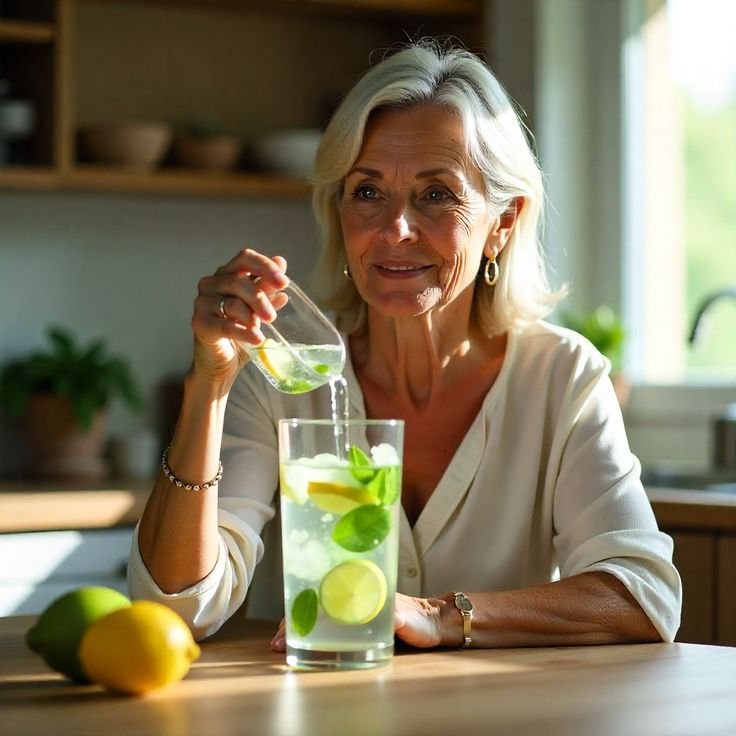
Hydration is equally important as it supports numerous bodily functions, including digestion and circulation, while also cushioning joints. As women age, the feeling of thirst may diminish, so it is essential to consciously drink water throughout the day and include hydrating foods like cucumbers and oranges in meals.
To incorporate these vital nutrients seamlessly into daily meals, aim for a colorful plate. Meal prepping can help in ensuring that fruits, vegetables, whole grains, and lean proteins are readily available. By prioritizing nutritional balance and hydration, women can promote healthy aging and enhance their overall quality of life.
Physical Activity and Exercise
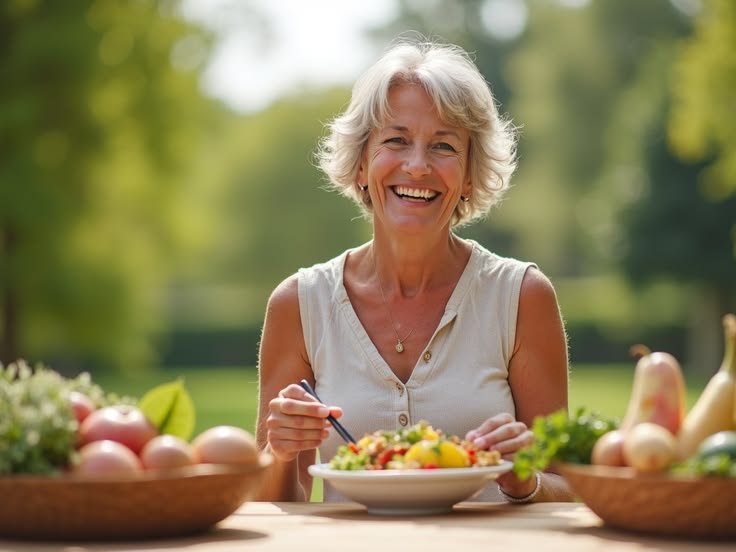
Regular physical activity is essential for women as they age, significantly contributing to longevity and enhancing overall quality of life. Engaging in a variety of exercises not only helps maintain physical health but also supports mental well-being, combating age-related decline in both areas. Research suggests that women who remain active experience lower rates of chronic diseases and improved mental health outcomes, positioning exercise as a cornerstone of healthy aging.
Strength training is particularly beneficial for older women, as it helps mitigate the loss of muscle mass associated with aging. Incorporating exercises such as weightlifting or resistance training into a regular routine can lead to increased strength, improved balance, and enhanced bone density. Additionally, cardiovascular activities like walking, swimming, or cycling contribute to heart health and aid in weight management. These exercises elevate heart rates, improve circulation, and enhance stamina.
Flexibility exercises, including yoga and stretching, are equally important, as they promote mobility and reduce the risk of falls, which are common concerns as women age. A balanced fitness routine should ideally combine all three types of exercises—strength, cardio, and flexibility—allowing individuals to reap maximum health benefits. For beginners, starting with two to three days of strength training combined with 150 minutes of moderate aerobic activity weekly can lay a solid foundation for a fitness journey.
Moreover, engaging in physical activity can yield significant mental health benefits, such as reduced anxiety and depression levels, combined with an enhanced mood. A practical tip for women at any stage is to find activities they enjoy; whether dancing, gardening, or joining a local walking group—these enjoyable activities make it easier to stay active. Remember, it’s never too late to start incorporating exercise into daily life, and consistency is key to achieving long-term health benefits.
Mindfulness and Mental Well-being
Mental health plays a crucial role in the aging process, directly influencing the quality of life for women as they grow older. Engaging in mindfulness practices and cultivating mental well-being are natural ways to enhance emotional resilience and promote a sense of fulfillment. Mindfulness, defined as remaining present and fully engaged in the moment, can significantly reduce stress, which is known to exacerbate the aging process by impacting physical health and emotional stability.
One effective method for fostering mindfulness is through meditation. Regular meditation practices have been shown to enhance self-awareness, reduce anxiety, and improve emotional regulation. Even short sessions of deep breathing or guided meditation can allow individuals to reconnect with their thoughts and feelings, reducing the mental clutter that often accompanies the aging experience.
In addition to meditation, maintaining social connections is essential for mental health in aging. Building and nurturing relationships can provide emotional support and contribute to a greater sense of belonging, countering feelings of loneliness which may arise during later stages of life. Engaging in community activities or social groups provides opportunities for interaction, laughter, and personal growth.
Furthermore, it is vital to recognize the impact of stress on mental well-being as we age. Elevated stress levels can lead to various mental health issues, including depression and anxiety, which can, in turn, affect physical health. Hence, adopting stress management strategies such as yoga, tai chi, or even simple hobbies can enhance one’s ability to cope. Practicing gratitude and reframing negative thoughts into positive affirmations can further bolster emotional resilience.

By prioritizing mental well-being through mindfulness practices, social interactions, and effective stress management, women can navigate the aging process with grace and vigor, leading to a more enriched life experience.