
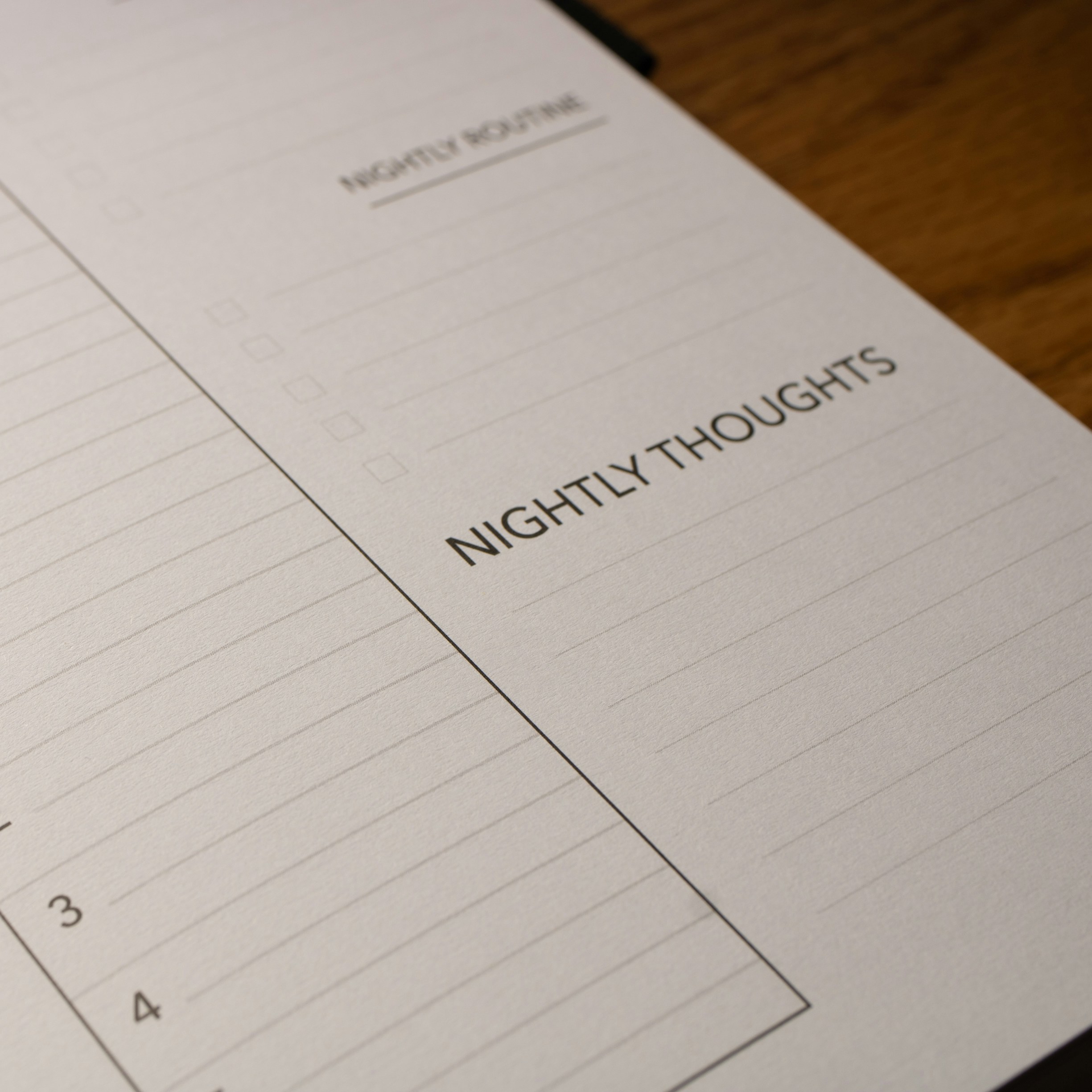
Understanding the Importance of a Night Routine
A night routine serves as a critical component in the realm of health and wellness, substantially influencing sleep quality, physical recovery, and overall well-being. Establishing a consistent pre-sleep ritual is not merely a matter of preference; it is an essential practice that signals the body to transition into a state of relaxation. By engaging in calming activities such as reading, meditating, or practicing gentle stretches, individuals can effectively initiate the body’s natural mechanism for unwinding. This structured approach to evening activities encourages the production of melatonin, the hormone responsible for regulating sleep cycles, allowing for a more restful night’s sleep.
Thank you for reading this post, don't forget to subscribe!The impact of a well-defined night routine extends beyond mere sleep improvement. It is widely recognized that quality sleep plays a pivotal role in physical recovery. During sleep, the body undergoes vital restorative processes, including muscle repair and the release of growth hormones. A predictable night routine not only facilitates deeper sleep but also enhances the efficiency of these healing processes. Consequently, individuals who prioritize a consistent evening schedule may experience increased energy levels, improved cognitive function, and a fortified immune system.
In light of these benefits, it becomes evident that a night routine is not merely a luxury, but a necessity for those seeking improved sleep, accelerated recovery, and a healthier lifestyle. Prioritizing this vital practice can yield substantial dividends in one’s health and well-being.
Key Components of an Effective Night Routine
An effective night routine is foundational to achieving restorative sleep, aiding in recovery, and supporting overall health. Integrating several key components into your nightly activities can significantly enhance the quality of your sleep. Here, we will discuss the essential elements that contribute to a successful night routine.
One of the fundamental aspects is a digital detox, which involves eliminating screen time from devices such as smartphones, tablets, and computers at least an hour before sleep. Research has shown that the blue light emitted from screens can interfere with the body’s natural production of melatonin, the hormone responsible for regulating sleep. By minimizing digital exposure, individuals may experience improved sleep onset and a deeper state of rest.
Incorporating relaxation techniques, such as mindfulness meditation or gentle yoga, is another essential component. These practices promote a state of calmness, helping to alleviate stress and anxiety that can hinder sleep. Engaging in deep breathing exercises or guided meditations can further enhance relaxation, signaling to the body that it is time to wind down.
Establishing bedtime rituals can also be beneficial. Activities like reading a book, journaling, or taking a warm bath can serve as cues for your body that it is time to prepare for sleep. These rituals foster a sense of routine, making it easier to transition into a restful state. Additionally, the environment in which one sleeps plays a critical role. A comfortable mattress, optimal room temperature, and minimal noise or light distractions can significantly improve sleep quality.
Together, these components create a holistic approach to developing an effective night routine. By integrating a digital detox, relaxation techniques, consistent bedtime rituals, and conducive sleep environments, individuals can enhance their sleep experience, ultimately leading to better health and recovery.
Creating Your Personalized Night Routine
To establish an effective night routine that promotes better sleep, recovery, and overall health, it is crucial to first identify your individual needs and lifestyle preferences. Consider factors such as your work schedule, family obligations, and personal commitments that may influence your nighttime activities. This self-assessment allows you to tailor a routine that works best for you.
Begin by determining an appropriate bedtime that aligns with your natural sleep patterns. Most adults require between seven to nine hours of sleep per night. To enhance your sleep quality, aim to go to bed and wake up at the same time each day. This consistency helps regulate your body’s internal clock, making it easier to fall asleep and wake up refreshed.
Incorporating specific activities into your night routine can significantly improve your relaxation and recovery. You may consider activities such as reading, practicing yoga, meditating, or taking a warm bath. These calming activities help signal to your body that it is time to wind down, promoting a gradual transition into sleep. Avoid stimulating activities, such as engaging in intense exercise or consuming electronic media, as these can interfere with your ability to fall asleep.
Gradual adjustments are key to creating an effective night routine. If you currently have a night routine that is not yielding satisfactory results, start by making small changes. For example, adjust your bedtime by 15-30 minutes earlier each night until you reach your desired sleep schedule. Incorporate mindfulness practices or relaxation techniques, slowly introducing them into your routine to gauge their effectiveness.
Finally, remember that the best night routine is one that is personalized to your needs and can be consistently maintained. The integration of relaxation techniques and the establishment of a definitive sleep schedule can contribute significantly to improved health and recovery, equipping you for a better night’s sleep.
Overcoming Common Obstacles to a Good Night Routine
Establishing a consistent night routine can be a challenge for many individuals due to various common obstacles. Identifying and addressing these challenges is essential for optimizing sleep quality and overall health. One major hurdle is stress, which can significantly impact one’s ability to unwind. Practicing relaxation techniques such as deep breathing, meditation, or gentle yoga before bed can help mitigate this stress. Furthermore, establishing a calming pre-sleep ritual may signal to the body that it is time to relax and prepare for rest.
Another obstacle is the prevalence of irregular schedules. Many people juggle work, family, and social commitments, leading to varied bedtimes and wake-up times. To combat this, it is beneficial to prioritize consistency in sleep patterns. Setting a specific bedtime and wake-up time, even on weekends, can help regulate the body’s internal clock. If strict adherence to a schedule is unfeasible, gradually shifting sleep times by 15 to 30 minutes can ease the transition toward a more regular routine.
Screen time is another common issue, as exposure to blue light from devices can interfere with melatonin production. To overcome this, it is advisable to limit screen usage at least one hour before sleep. Instead, consider engaging in relaxing activities such as reading a book or listening to soothing music. Installing blue light filters on devices can also be an effective strategy. Additionally, creating a designated sleep environment that is cool, dark, and quiet can further enhance the quality of sleep.
Addressing these challenges requires patience and persistence. By implementing practical strategies tailored to individual lifestyles, one can successfully establish and maintain an effective night routine, ultimately leading to improved sleep, recovery, and overall health.

