
Understanding Your Grocery Budget
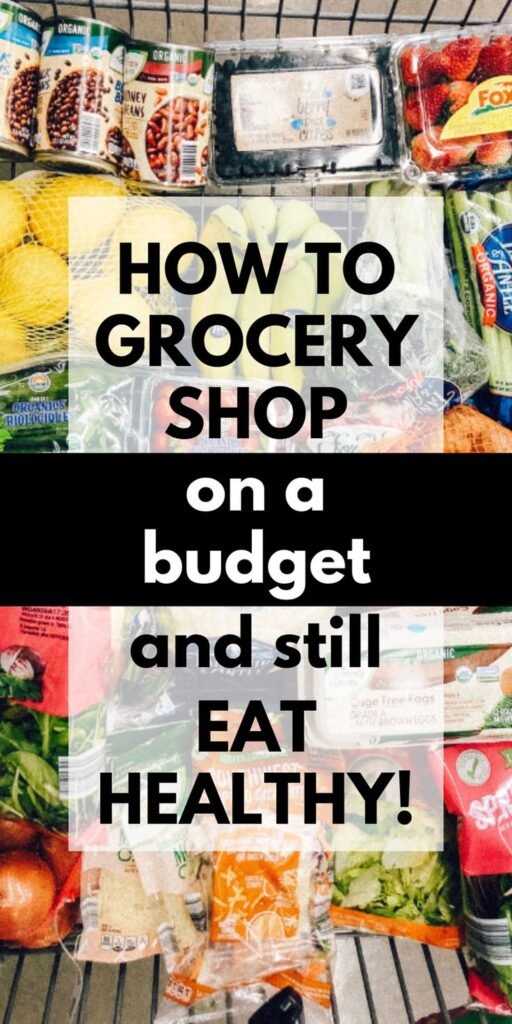
Establishing a grocery budget is essential for maintaining financial stability and promoting healthier eating habits. To begin, assess your current monthly grocery spending. This can be achieved by reviewing previous grocery receipts or using budgeting apps to track your expenses over the past few months. Understanding how much you currently spend can help identify patterns and areas where you might can save money.
Thank you for reading this post, don't forget to subscribe!Once you have a clear picture of your spending habits, the next step is to determine a realistic budget. This budget should be based on your dietary needs and family size. For individuals or families with specific dietary requirements, such as those following a vegetarian or gluten-free diet, it is important to account for any potential higher food costs. Consider work schedules and family dynamics when estimating how much food will be consumed each week, ensuring that you create a budget that reflects actual consumption.
Tracking your grocery expenses can also be beneficial. Maintain a record of your purchases by either keeping receipts or using a notebook to list items acquired each week. Alternatively, utilize mobile budgeting applications designed for grocery shopping. These tools not only categorize your spending but can also provide insights into spending habits over time.
Moreover, planning ahead plays a crucial role in effective budgeting. Developing a meal plan for the week can prevent impulse purchases that typically lead to overspending. An organized grocery list drawn from your meal plan will aid in making informed buying decisions at the store, thus allowing you to maximize your grocery budget while ensuring you meet your nutritional goals.
Creating a Healthy Shopping List
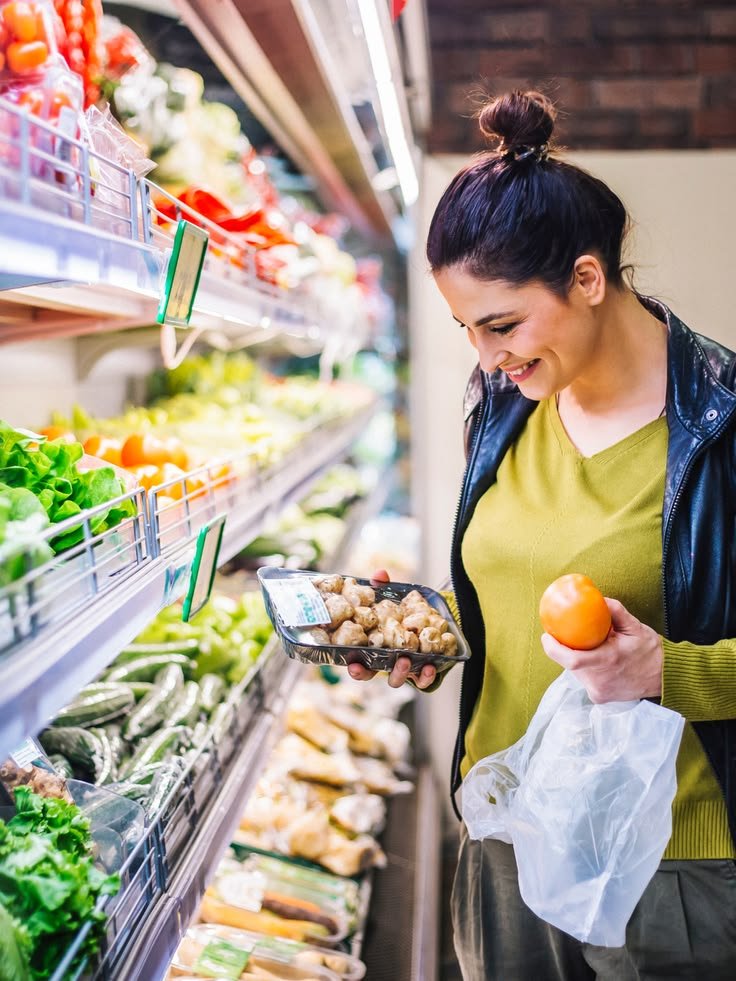
Crafting a comprehensive and effective shopping list is an essential step towards maintaining a healthy diet. A well-organized list not only streamlines the grocery shopping process but also prioritizes nutritious food options. Start by categorizing items into distinct sections: fruits, vegetables, whole grains, proteins, and healthy fats. This method not only helps in recalling the required items but also encourages a balanced dietary approach.
When compiling your list, consider including seasonal produce. Seasonal fruits and vegetables are typically fresher, more flavorful, and often less expensive than out-of-season alternatives. Additionally, local produce supports community farmers and reduces the carbon footprint associated with transportation. Incorporating a variety of colors and types of fruits and vegetables can enhance the nutritional value of your meals, ensuring you gain a wide range of vitamins and minerals.
It is equally important to steer clear of processed foods and sugary snacks when creating your shopping list. These items tend to be high in unhealthy fats, sugars, and preservatives, which can detrimentally affect overall health. Instead, include whole, unprocessed foods such as legumes, nuts, and lean meats to boost your nutrient intake. This not only aids in physical well-being but also promotes mindful eating habits.
Incorporating diverse food choices in your shopping list is crucial. Aim for a mix of different proteins, grains, and vegetables to meet your nutritional needs. This diversity not only keeps meal preparation exciting but also increases the likelihood of consuming a more balanced diet. Ultimately, a well-planned grocery list serves as a roadmap towards healthier eating, making your shopping experience more efficient and beneficial.
Smart Shopping Strategies

Implementing smart shopping strategies while grocery shopping can significantly enhance both health and financial well-being. One effective technique is to compare unit prices, which allows consumers to quantify and evaluate the cost-effectiveness of similar items. By examining the price per ounce or per pound, shoppers can discern which products provide better value without sacrificing nutritional quality.
Utilizing coupons and promotions is another practical approach. Many grocery stores release weekly ads that feature discounts and special offers on various products. Taking the time to review these promotions can lead to substantial savings. Additionally, websites and apps dedicated to couponing can help shoppers find digital coupons that align with their grocery list, ensuring that they maximize their savings on essential items.
Shopping during sales is also an advantageous strategy, particularly for non-perishable items that can be stored for long periods. Stocking up on these products during promotional periods can reduce overall grocery bills. Furthermore, purchasing in bulk often results in significant cost savings; however, it is advisable to purchase only what can be consumed before the product’s expiration date.
Another savvy tactic involves leveraging loyalty programs offered by many supermarkets. By signing up, customers can gain access to exclusive deals, earn points on purchases, and receive personalized discounts, further reducing grocery costs.
Finally, shopping with a full stomach is a simple yet effective strategy to curtail impulsive buying. Hunger can lead to poor decisions at the grocery store, prompting shoppers to choose unhealthy snacks or unnecessary items. Ensuring that one eats before heading out can promote healthier choices and minimize temptation.
Choosing Healthy Alternatives and Meal Prep
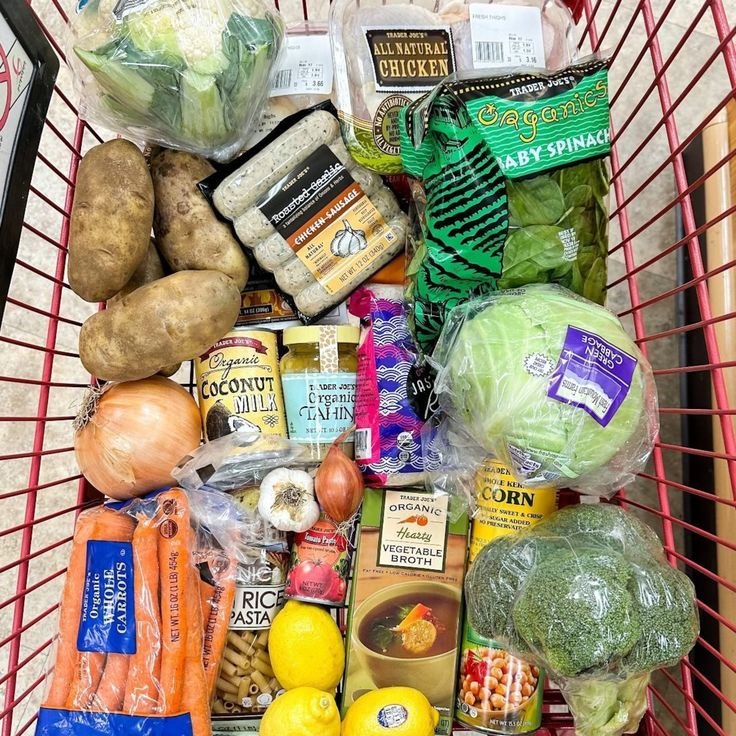
Making informed choices while shopping is critical in promoting overall health and well-being. An essential aspect of this is learning how to effectively read nutrition labels. When examining food products, it is important to focus on serving sizes, calorie content, and nutrient levels, particularly saturated fats, sugar, and sodium. Selecting items with lower values for these components can contribute significantly to a healthier diet. Look for products labeled as whole grain, low-fat, or without added sugars, as these usually indicate healthier alternatives.
In addition, exploring fresh produce and bulk items can yield nutrient-dense options that are both satisfying and cost-effective. Instead of processed snacks, consider fruits, nuts, or yogurt, which can fulfill cravings and provide essential vitamins and minerals. Engaging with your store’s produce section can lead to the discovery of seasonal items that often come at lower prices.
Meal prepping is another fundamental strategy that aids in making healthy choices. By preparing meals in advance, one can control ingredients and portion sizes, reducing the temptation to opt for unhealthy conveniences during the week. A successful meal prep starts by deciding on recipes that utilize similar ingredients, enabling bulk cooking and minimizing waste.
To make meal prep more efficient, use containers that store well in the refrigerator and freezer, keeping meals fresh longer. Additionally, incorporating herbs and spices can enhance flavors without adding unhealthy fats or sugars. Properly storing ingredients, such as fresh vegetables in moisture-controlled bags or using airtight containers for grains, can significantly reduce food waste and maintain nutrient quality.

In conclusion, integrating healthier alternatives and meal prep into grocery shopping not only fosters better health outcomes but also provides financial benefits by minimizing waste. These actionable steps can lead to improved dietary habits and overall wellness.