
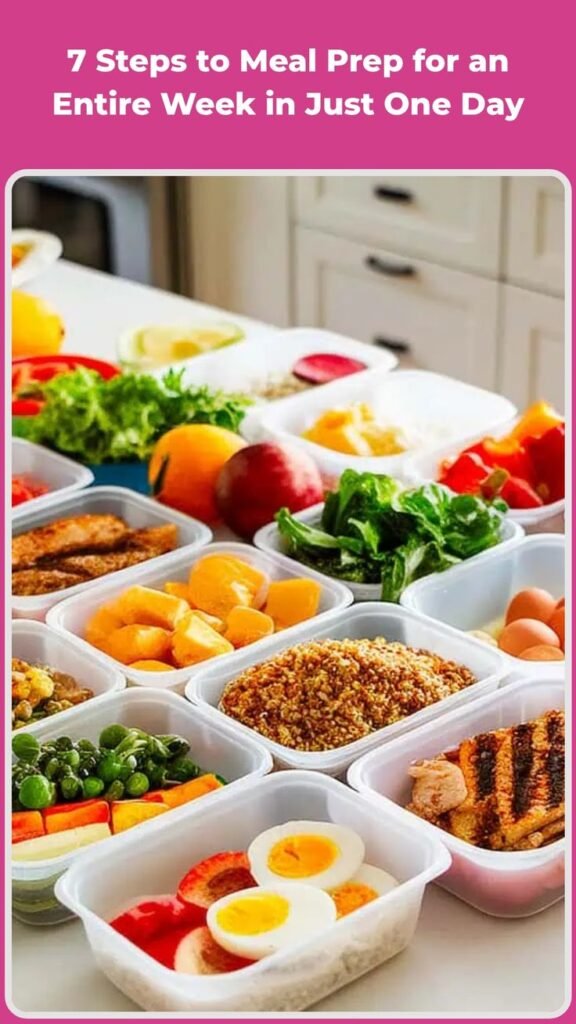
Understanding the Basics of Meal Prepping
Meal prepping is a strategic practice that involves preparing meals in advance for the week ahead. This process not only simplifies the daily logistics of food preparation but optimizes your nutrition, allowing for a healthier lifestyle. One of the primary benefits of meal prepping is the significant time savings it facilitates. By dedicating a few hours on the weekend, individuals can create a variety of meals that can be conveniently stored and consumed throughout the week, thus eliminating the need for daily cooking.
Thank you for reading this post, don't forget to subscribe!Additionally, meal prepping reduces stress during the busy weekdays. The need to decide what to eat at the end of a long day often leads to impulsive choices that may not align with one’s dietary goals. Having pre-prepared, healthy meals readily available alleviates decision fatigue and makes it easier to stick to a balanced diet. Furthermore, meal prepping encourages healthier eating habits by allowing individuals to control portion sizes and ingredients. This practice also helps minimize food waste and can lead to more mindful eating.
When starting the journey of meal prepping, proper planning and organization are crucial. It is advisable to draft a meal plan, considering nutritional needs and personal preferences. This phase includes selecting recipes that are not only tasty but also suitable for bulk preparation. Shopping with a well-prepared grocery list based on these recipes can further ensure that your meal prep is efficient and cost-effective. By understanding the basic principles of meal prepping, individuals are better equipped to embrace a healthier eating philosophy, paving the way for more detailed strategies in subsequent sections.
Essential Tools and Containers for Meal Prepping
Meal prepping effectively requires a well-equipped kitchen and the right tools. One of the most crucial elements in your meal prepping arsenal is a selection of high-quality food storage containers. These containers come in various materials, such as glass, plastic, and stainless steel, each with its own advantages. Glass containers are preferred by many for their durability and lack of harmful chemicals, while plastic options can be more lightweight and affordable. When choosing plastic, it is important to opt for BPA-free variants to ensure food safety.
In addition to containers, having a reliable food scale can be a game-changer when it comes to portion control. This tool helps in accurately weighing ingredients, which is especially useful for maintaining nutritional balance and monitoring calorie intake. Proper portioning is vital for meal prepping, as it ensures that your meals are not only healthy but also adequately satisfying.
Moreover, a good knife set is essential for efficient chopping and preparation. Investing in a quality chef’s knife, along with a cutting board, will make the food preparation process much smoother and quicker. A sharp knife helps to minimize preparation time and simplifies the chopping of various ingredients, whether they be vegetables, proteins, or whole grains.
To streamline your meal prepping process further, consider using kitchen gadgets like measuring cups, spoons, and mandolins. These tools facilitate accurate measurements and uniform slicing, contributing to the overall convenience. Finally, labeling meals and containers is key to maintaining organization and accessibility throughout the week. Using reusable labels or stickers can help you keep track of meal contents, ingredients, and preparation dates, ensuring that your healthy meals are easily accessible when you need them.
Planning Your Weekly Menu and Grocery List
Creating a well-planned weekly menu is essential for successful meal prepping, as it helps ensure that you include a balanced variety of food groups and meet your nutritional needs. To begin, consider your dietary requirements and preferences, including any restrictions such as allergies or specific diets like vegetarian or low-carb. This initial assessment will guide you in selecting recipes that align with your health objectives.
Your weekly menu should ideally feature a combination of proteins, whole grains, fruits, vegetables, and healthy fats. For instance, consider incorporating lean meats, legumes, and plant-based proteins for varied protein sources while also ensuring you have ample servings of colorful vegetables and whole grains. Aim for around two to three recipes per meal, allowing for variation while making sure to include options that can be easily reheated throughout the week.
As you construct your menu, remember to factor in portion sizes. It is beneficial to have a clear idea of how much food each recipe yields, which allows you to appropriately scale the quantities based on your meal prep goals. A well-balanced meal could include a protein serving, a starch, and at least two servings of vegetables, keeping in mind the importance of visual appeal—varying colors and textures makes meals more enjoyable.
Once your menu is set, the next step is to create a comprehensive grocery list. This list should clearly outline all the ingredients required for the week’s recipes, categorized by food groups for easier navigation through the store. Checking your pantry and fridge before shopping can help avoid unnecessary purchases while ensuring that all necessary ingredients are on hand. A well-prepared grocery list is integral to successful meal prep, as it prevents last-minute deviations from your planned healthy meals.
Cooking and Storing Your Meals Effectively
Meal prep is an essential part of maintaining a healthy diet, and understanding how to cook and store your meals effectively can significantly simplify the process. Start by selecting recipes that can be scaled up for batch cooking. Choose meals that share similar ingredients to reduce prep time and enhance efficiency. For example, cooking a large quantity of whole grains like quinoa or brown rice can serve as a base for multiple dishes throughout the week.
A key technique for batch cooking is the use of oven and stovetop simultaneously. While grains are boiling or steaming on the stove, you can roast or bake proteins and vegetables in the oven. Prepare a variety of proteins, such as chicken breast, tofu, or beans, and roast assorted vegetables to add flavor and nutrients to your meals. Don’t forget to flavor your meals with herbs and spices, as they can significantly enhance taste without adding calories.
Once your meals are prepared, proper storing is crucial to maintain freshness and nutritional value. Use airtight containers to store individual portions in the refrigerator or freezer. It is essential to let meals cool to room temperature before refrigerating or freezing, as this prevents condensation which can lead to soggy textures. Generally, cooked meals stored in the refrigerator can last 3-4 days, whereas freezer meals can be enjoyed for up to 3 months without significant loss of flavor or nutrition.
When it comes time to enjoy your prepped meals, reheating correctly is vital. Microwave meals can lose moisture, so it is beneficial to add a splash of water or cover the container to trap steam. For other meals, reheating in the oven can help maintain texture. Following these cooking and storing guidelines can ensure that your meal prep journey is both successful and rewarding, providing you with healthy options throughout your week.