
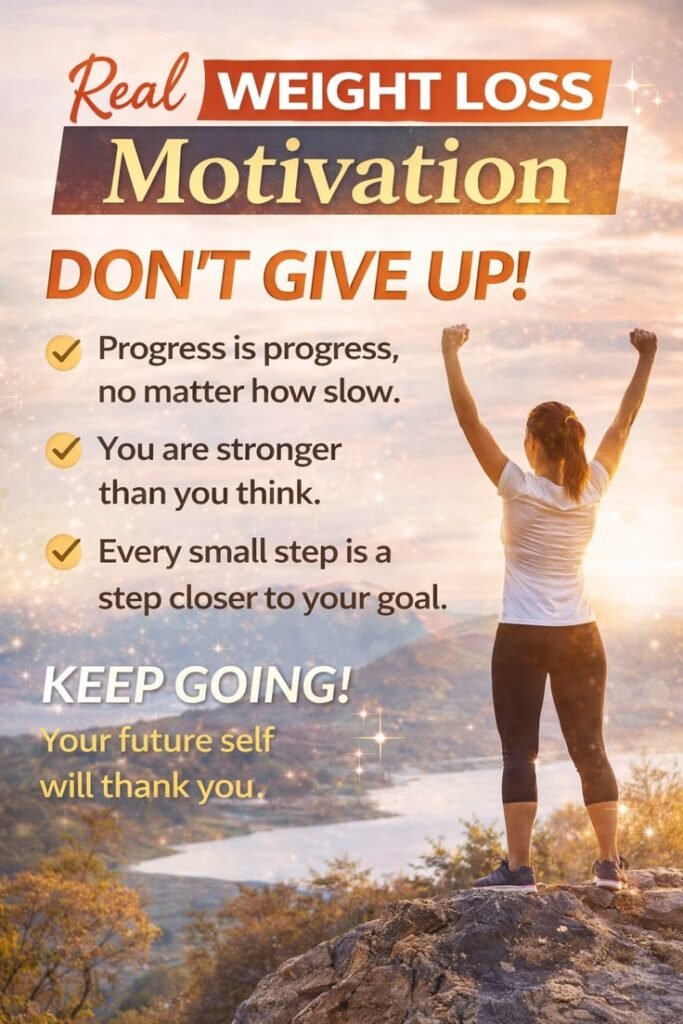
Understanding Motivation: The Psychology Behind Staying Committed
Motivation is a critical element in any health journey, serving as the driving force that propels individuals towards their goals. It is fundamentally rooted in psychological principles that explain why people engage in certain behaviors over others. At its core, motivation can be classified into two primary types: intrinsic and extrinsic motivation.
Thank you for reading this post, don't forget to subscribe!Intrinsic motivation originates from within an individual, driven by personal satisfaction or the enjoyment derived from the task itself. This form of motivation is often stronger and more sustainable in the long term, as it is aligned with personal values and interests. For instance, someone who exercises because they genuinely enjoy it or because they find it fulfilling is more likely to stick with their routine than someone who feels compelled to do so for external validation.
On the other hand, extrinsic motivation stems from external factors, such as rewards or recognition. While this type can be effective in prompting initial actions, it may not be as effective for long-term commitment. For example, participating in a weight loss challenge for a prize can ignite initial enthusiasm, yet sustaining that behavior after the challenge ends may prove to be challenging if intrinsic motivation is lacking.
To effectively harness both intrinsic and extrinsic motivation, one must set realistic and achievable goals. These goals serve not only as benchmarks to track progress but also as motivational milestones that reinforce commitment. When setting goals, it is crucial to ensure they are specific, measurable, attainable, relevant, and time-bound (SMART). This approach enables individuals to celebrate small successes along their health journey, fostering a sense of accomplishment and further motivating them to persist.
In summary, understanding the psychological aspects of motivation—specifically the interplay between intrinsic and extrinsic factors—can greatly enhance one’s ability to remain committed to a health journey. By integrating both types of motivation and setting realistic goals, individuals can cultivate and sustain the drive necessary to achieve their health aspirations.
Setting Achievable Goals: The SMART Framework
Embarking on a health journey can be both exciting and overwhelming. To navigate this effectively, employing the SMART goal-setting framework can be particularly beneficial. The acronym SMART stands for Specific, Measurable, Achievable, Relevant, and Time-bound, serving as a structured approach to defining and pursuing health-related objectives.
To begin, it is essential to set Specific goals. Instead of a vague aim such as “I want to get healthier,” specify your target. For instance, you might set a goal like “I will exercise for 30 minutes, five times a week.” Making your goals clear helps in focusing your efforts and enhancing your motivation.
Next, ensure that your goals are Measurable. This means incorporating metrics to track progress. You could aim to lose 5 pounds in a month or hydrate by drinking 2 liters of water daily. Measurable goals allow you to see your achievements, which is crucial in maintaining motivation throughout your journey.
The Achievable aspect encourages setting realistic goals that take into account your current lifestyle and circumstances. Recognizing your limitations is vital; instead of setting a goal that demands an overhaul of your routine, consider incremental changes, such as swapping a sugary snack for a fruit a few times a week.
Relevance is also a key component. Each goal should align with your overall health ambitions. For example, if your primary aim is weight loss, a relevant goal might involve meal prepping to avoid unhealthy eating. Lastly, introduce Time-bound milestones to your goals. Establish a timeline, such as the end of the month, for achieving specific targets, which adds urgency and a sense of purpose.
Celebrating small wins throughout this process is equally important. Acknowledge each achievement, no matter how minor, as it fosters positivity and encourages continued progress. Remember, consistent small successes fuel motivation and reinforce the commitment to your health journey.
Creating a Supportive Environment: Building a Community Around Yourself
Maintaining motivation on your health journey often relies on the strength of the community around you. A supportive environment can play a crucial role in fostering enthusiasm and resilience when obstacles arise. Friends and family can provide emotional encouragement, while online communities and wellness groups can offer knowledge, shared experiences, and accountability.
Start by identifying individuals in your life who share similar health goals or values. This could be friends who prioritize fitness, family members interested in healthy eating, or even colleagues seeking to improve their well-being. Regularly engaging in conversations about your health objectives with these individuals can create a sense of camaraderie, making it easier to stay motivated. Consider organizing regular meet-ups, such as workout sessions, cooking classes, or group hikes, to deepen these relationships and reinforce your commitments together.
Online communities have become increasingly popular as a source of support. Platforms like social media offer numerous groups focused on specific health themes, such as plant-based diets, running, or mental wellness. Engaging in these groups by sharing progress, seeking advice, or simply connecting with others can provide you with fresh ideas and encouragement. Participating actively in these communities not only supports your growth but can also facilitate making connections with like-minded individuals, enhancing your support network.
Remember that being a motivator for others can strengthen your motivation as well. Offer support to friends or community members who may be struggling, share your knowledge or personal experiences, and celebrate their successes. This reciprocal relationship helps reinforce your own commitment to a healthier lifestyle, as helping others can often inspire you to stay focused and committed to your journey.
Overcoming Setbacks: Strategies to Bounce Back Stronger
Everyone encounters setbacks on their health journey, which may manifest as plateaus, injuries, or external stressors. A crucial factor in overcoming these obstacles is how one perceives and responds to them. Shifting your mindset can be an effective way to turn these challenges into opportunities for growth. Rather than viewing setbacks as failures, consider reframing them as valuable learning experiences that provide insights into your journey. Recognizing that obstacles are a natural part of personal development allows for a more resilient approach.
Maintaining a positive mindset is fundamental during challenging times. This can be achieved by focusing on your successes, no matter how small, and reminding yourself why you started your health journey. Creating a list of achievements can help reinforce your motivation when faced with difficulties. Surround yourself with supportive individuals who uplift and encourage you. Engaging with a community, whether online or in-person, can provide a network of motivation while sharing similar experiences.
Additionally, finding new sources of inspiration can reinvigorate your enthusiasm for health. Exploring new activities, such as joining a fitness class or trying a different nutrition plan, can help break the monotony that often contributes to feelings of stagnation. Moreover, consider setting new, realistic goals that align with your interests, as these targets can inject excitement into your routine.
Acknowledge that setbacks can be an opportunity for self-reflection and empowerment. Instead of succumbing to self-doubt, use the knowledge gained during difficult times to inform your future choices. With a proactive approach and a resilient mindset, it is possible to bounce back stronger, ensuring that setbacks do not derail your health journey.

