
Understanding Iron Deficiency: What You Need to Know
Iron deficiency, a condition characterized by insufficient levels of iron in the body, is prevalent among women due to various physiological factors. Iron plays a crucial role in the body, particularly in the production of hemoglobin, which is vital for transporting oxygen throughout the bloodstream. When iron levels are low, the body cannot produce adequate hemoglobin, potentially leading to anemia, fatigue, and decreased energy levels.
Thank you for reading this post, don't forget to subscribe!The importance of iron extends beyond just hemoglobin production; it is also essential for energy metabolism. Iron is a critical component of numerous enzymes involved in metabolic processes, contributing to overall health and vitality. This is particularly important for women, who have unique iron requirements at different life stages. For instance, during menstruation, women lose blood, and consequently, iron. This blood loss necessitates a higher dietary intake of iron to replenish the body’s stores.
Pregnancy further complicates the demand for iron, as women need to support their own health and the developing fetus. The growing baby requires a significant amount of iron for proper development, increasing the mother’s nutritional needs. Additionally, menopausal changes can affect iron levels, as fluctuations in hormone levels can impact iron absorption and utilization in the body.
It is essential to recognize that iron needs differ significantly between men and women, primarily due to these physiological conditions. While the average daily iron requirement for men is approximately 8 mg, women in their reproductive years may need between 18 mg to counteract losses from menstruation. Understanding these differences is vital in addressing iron deficiency and ensuring adequate intake to maintain health.
Common Symptoms of Iron Deficiency in Women
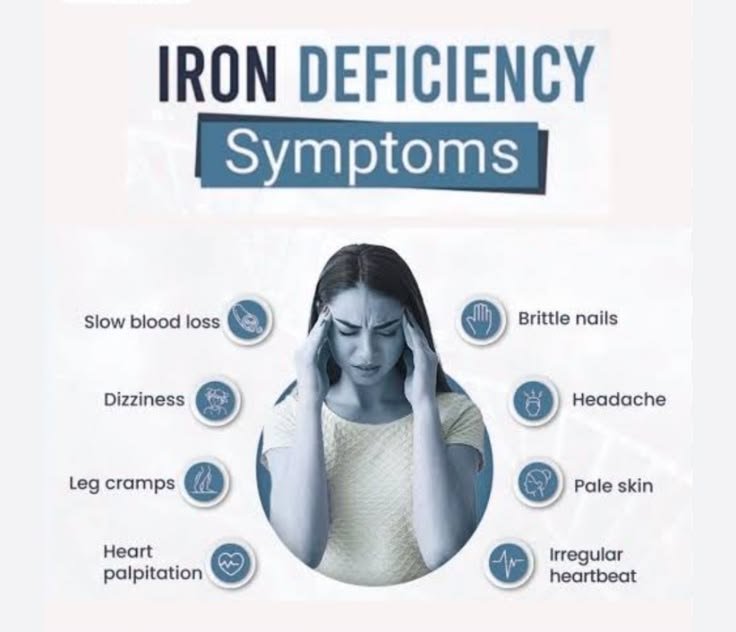
Iron deficiency is a prevalent health concern among women, often going unnoticed due to its subtle presentation. One of the most common symptoms is chronic fatigue. This fatigue is not just typical tiredness but a profound sense of exhaustion that affects daily activities and overall quality of life. Women may find themselves needing more rest, despite adequate sleep, due to the body’s insufficient supply of oxygen linked to low iron levels.
Another frequent indication is weakness, which can manifest as reduced physical capability and difficulty in performing routine tasks. This experience is often compounded by pale skin and conjunctiva, a result of reduced red blood cell production. Skin may take on a sallow appearance, indicating a shortage of iron-rich hemoglobin.
Dizziness is yet another symptom commonly overlooked. Women may experience episodes of lightheadedness, especially when standing up quickly. This occurrence can be alarming and is indicative of inadequate oxygenation in the body. Notably, subtle signs such as brittle nails, which may chip easily or appear thin, are also linked to iron deficiency. These nails offer a window into one’s internal health, reflecting possible nutritional deficiencies.
Additionally, some women report experiencing restless legs syndrome, which can disrupt sleep and lead to heightened discomfort while at rest. Its relationship to iron deficiency is gaining recognition among health professionals. Cognitive disturbances, including difficulty concentrating and brain fog, are also observed in women with lower iron levels, further complicating their productivity and mental clarity.
Awareness of these symptoms is crucial for women to seek diagnosis and treatment early. Recognizing the connection between these nuanced signs and potential iron deficiency can significantly enhance the quality of healthcare and improve overall well-being.
Risk Factors Contributing to Iron Deficiency in Women
Iron deficiency in women can often be attributed to several interconnected risk factors. Understanding these factors is essential to prevent the onset of deficiency before it escalates into more serious health challenges. One of the primary risk factors is dietary habits. Many women engage in dietary practices that may lead to insufficient iron intake, such as vegetarian or vegan diets, which may lack adequate sources of heme iron found in animal products. Incorporating iron-rich foods into daily meals can significantly mitigate this concern.
Another significant contributor to iron deficiency is menstruation. Women who experience heavy menstrual bleeding, a condition known as menorrhagia, are at a heightened risk for iron loss. Regular blood loss during menstruation can deplete the body’s iron reserves faster than they can be replenished through dietary sources.
Pregnancy and breastfeeding further complicate the situation, as the body’s demand for iron increases dramatically during these periods to support both the mother and the growing fetus or infant. Pregnant women require nearly double the amount of iron compared to non-pregnant women, making it crucial for them to monitor their iron levels closely and adjust their diets accordingly.
Certain medical conditions can also predispose women to iron deficiency. Gastrointestinal disorders, such as celiac disease or inflammatory bowel disease, can impair iron absorption, leading to a higher prevalence of deficiency among affected individuals. Additionally, women who have had gastric surgeries may encounter similar absorption issues that increase their risk.
To summarize, being aware of these risk factors—dietary habits, menstruation, pregnancy, breastfeeding, and specific medical conditions—is paramount for women. By recognizing the contributions of these factors, women can take proactive steps to safeguard their iron levels and maintain overall health.
Prevention and Treatment of Iron Deficiency
Iron deficiency is a prevalent concern among women, and addressing it requires a comprehensive approach that includes both dietary adjustments and medical guidance. To prevent iron deficiency, it is essential to incorporate various iron-rich foods into the diet. Sources of heme iron, which is more readily absorbed by the body, include red meat, poultry, and seafood. Non-heme iron, found in plant-based foods such as beans, lentils, tofu, spinach, and fortified cereals, also plays a critical role. To enhance the absorption of non-heme iron, it is advisable to consume vitamin C-rich foods, such as citrus fruits, strawberries, or bell peppers, alongside these meals. This synergy not only boosts iron uptake but also contributes to overall health.
For those who may already be experiencing symptoms of iron deficiency or have a confirmed diagnosis, incorporating iron supplements can be beneficial. However, it is crucial to consult a healthcare professional before starting supplementation, as excessive iron can lead to adverse effects and health complications. A doctor can recommend the appropriate type and dosage based on individual health needs. Supplements may be especially necessary for pregnant women or individuals with higher iron needs, due to factors such as menstruation or intense physical activity.
Routine screening and blood tests can effectively monitor iron levels and identify deficiency early. Regular consultations with healthcare providers allow for personalized treatment plans, ensuring that both dietary interventions and potential supplements are tailored to individual circumstances. Early detection and proactive management are the keys to preventing the adverse effects associated with iron deficiency. Engaging a healthcare professional is essential in navigating the complexities of iron deficiency treatment, ensuring women can maintain optimal health and well-being.

