
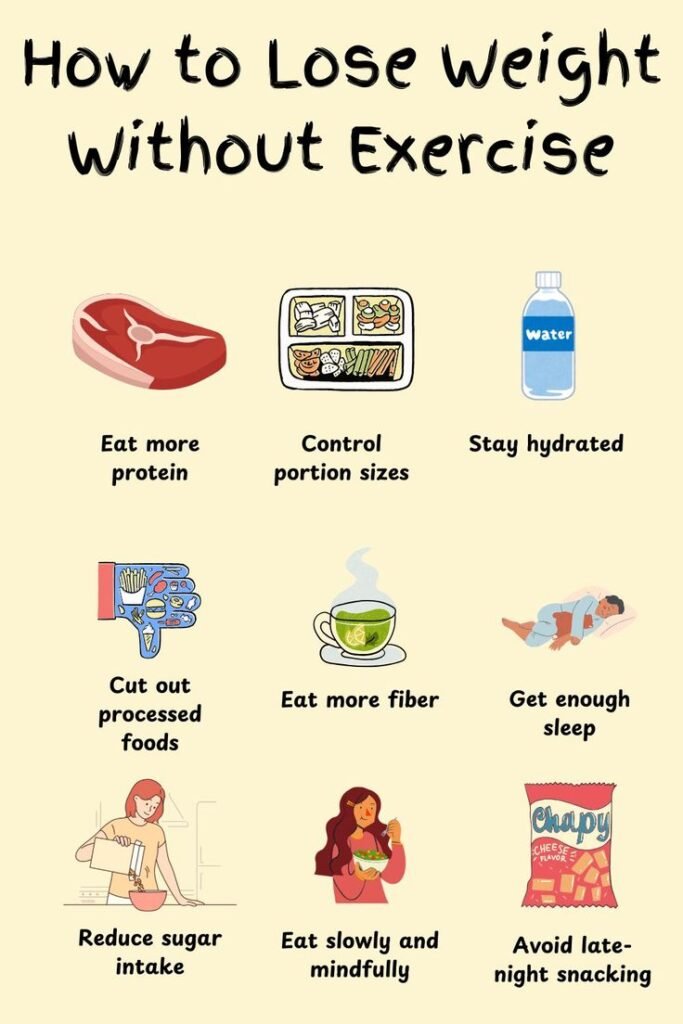
Understanding Weight Loss without Dieting
Many individuals equate weight loss with strict dieting, believing that meticulous calorie counting and food restrictions are the only paths to achieving their goals. However, understanding weight loss without traditional dieting encompasses a broader spectrum of methods and approaches. It emphasizes the significance of lifestyle changes and the adoption of healthier habits rather than reliance on temporary dietary regimens, which often lead to the well-known cycle of yo-yo dieting.
Thank you for reading this post, don't forget to subscribe!From a biological standpoint, weight management is not solely a matter of caloric intake. Instead, it involves complex interactions between metabolism, energy expenditure, and physiological responses to food. For instance, engaging in regular physical activity can enhance metabolism, enabling the body to burn more calories even at rest. Additionally, integrating strength training can foster muscle growth, further influencing metabolism positively.
The psychological aspect also plays a critical role in weight management. It is essential to cultivate a positive relationship with food, moving beyond the mindset of restriction. This approach encourages mindful eating, where individuals become more aware of their hunger cues and emotional eating triggers. By practicing mindfulness, one is more likely to select nutritious foods that satisfy not only physical hunger but also emotional needs.
Indeed, misconceptions about dieting often stem from a narrow view of weight loss strategies. Sustainable weight loss is not merely achieved through eating less; it requires an understanding of what works best for one’s own body. By focusing on balanced nutrition, incorporating various food groups, and enjoying meals without guilt, individuals can foster long-term habits that promote health. Embracing this holistic view of weight loss allows for flexibility and adaptability, making it significantly more attainable than traditional dieting methods.
Incorporating Physical Activity into Daily Life
Adopting a healthy lifestyle plays a pivotal role in effective weight management. Instead of relying solely on restrictive diets, integrating physical activity into daily routines can lead to sustainable weight loss. Individuals are encouraged to explore various enjoyable forms of exercise, such as walking, biking, swimming, or engaging in sports, which not only improve fitness levels but also contribute positively to mental well-being.
One significant aspect to consider is strength training. Contrary to popular belief, it is not solely reserved for those seeking to build muscle mass. Strength training can enhance metabolic rate by increasing muscle mass, which subsequently burns more calories at rest. This form of exercise is also essential for developing core stability and overall body strength, which can improve performance in other activities.
Moreover, increasing daily movement through everyday tasks can have a significant impact on weight management. This encompasses non-exercise activity thermogenesis (NEAT), which includes all physical activities not generated by structured exercise. Simple actions, such as taking stairs instead of elevators, walking or biking to nearby destinations, or even standing while working, contribute to the overall increase in energy expenditure throughout the day.
Finding enjoyable physical activities is crucial, as it fosters a positive relationship with movement, making it easier to adhere to an active lifestyle. Rather than viewing exercise as an obligation, embracing it as a means to enjoy life and enhance health can lead to more meaningful weight management outcomes. By merging these elements, individuals can achieve significant weight loss success while enjoying the journey of fitness without the constraints of a formal diet.
Mindful Eating Practices
Mindful eating is a powerful practice that encourages individuals to develop a greater awareness of their eating habits and the overall experience of eating. By focusing on the present moment during meals, one can cultivate a better relationship with food, which may ultimately assist in weight loss without resorting to restrictive diets. This practice involves paying close attention to hunger cues—recognizing when one is truly hungry and when one is satisfied. By tuning in to these natural signals, individuals can avoid overeating and develop a more intuitive approach to their diet.
In addition to recognizing hunger, mindful eating encourages savouring food. This means taking the time to enjoy the taste, texture, and aroma of meals. Eating slowly and thoughtfully allows individuals to appreciate every bite, which can enhance satisfaction and fullness, leading to potentially smaller portion sizes. Furthermore, being present during meals can reduce distractions such as television or mobile devices, which often contribute to mindless eating and can easily lead to consuming more than necessary.
Another essential component of mindful eating is the recognition of emotional triggers that might lead to overeating. Many people turn to food as a coping mechanism for emotions like stress, boredom, or sadness. By identifying these emotional eating patterns, individuals can work towards addressing the underlying feelings rather than resorting to food. Practical tips for integrating mindful eating into daily routines include setting aside undistracted time for meals, practicing gratitude for the food consumed, and keeping a food journal to track both food choices and emotional states.
Through mindful eating practices, individuals can foster a more balanced and satisfying relationship with food. This approach not only assists in weight management but also promotes overall well-being by allowing individuals to enjoy their meals fully without the constraints of traditional dieting methods.
Building a Supportive Environment
Creating a supportive environment is instrumental in one’s weight loss journey. The significance of social influences cannot be overstated; having friends and family who understand and support your goals can greatly enhance motivation and accountability. When these individuals participate in your healthy lifestyle choices, whether by joining you in physical activities or making healthier meal choices at home, they contribute positively to your efforts.
Your home environment plays a crucial role as well. If your living space is stocked with healthy options, it becomes easier to make beneficial choices. Consider organizing your pantry and refrigerator to prioritize nutritious food items. Keeping fruits and vegetables in plain sight while reducing the visibility of sugary snacks can encourage healthier eating habits. Meal prepping is another effective strategy that not only saves time but also ensures that you have access to healthy meals throughout the week. This preparation allows you to control portions and ingredients, reinforcing a commitment to your weight loss goals.
In addition, seeking social support through community groups or online forums can provide invaluable encouragement. Engaging with others who share similar objectives fosters a sense of belonging and accountability. Participating in discussions, sharing experiences, and receiving advice from those who understand the challenges of weight loss can bolster your resolve.
It is essential to remember that weight loss is a personal journey that varies for every individual. While creating a supportive environment is beneficial, each person must navigate their path in a way that is meaningful to them. By building an encouraging atmosphere, you empower yourself to make lasting changes that contribute to a healthier lifestyle.

