
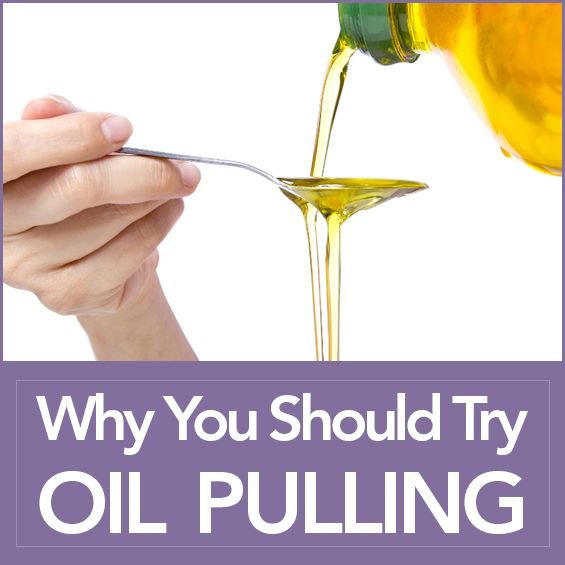
Understanding Oil Pulling: Origins and Purpose
Oil pulling is a traditional oral health practice that traces its roots back to ancient Ayurvedic medicine in India, dating as far as 3,000 years ago. This ancient technique involves swishing oil in the mouth for several minutes, which is believed to enhance oral hygiene and contribute to overall well-being.
Thank you for reading this post, don't forget to subscribe!The primary purpose of oil pulling is to detoxify the mouth and promote oral health. Proponents of this practice assert that it can help in reducing harmful bacteria, preventing cavities, and improving gum health. By swishing oil, the process is thought to draw out toxins from the mouth and body, thereby facilitating a form of detoxification. The act of oil pulling is also believed to reduce bad breath and whiten teeth, attributes that have made it popular in contemporary wellness discussions.
Various oils are commonly used for oil pulling, with coconut oil, sesame oil, and sunflower oil leading the list. Coconut oil is favored for its pleasant taste and has gained popularity due to its antimicrobial properties, which many believe contribute to its efficacy. Sesame oil, on the other hand, has been traditionally used in Ayurvedic practices, valued for its health benefits and nourishing qualities. Sunflower oil is another alternative that some individuals employ, offering a neutral flavor and a smooth consistency.
Each of these oils contains unique compounds that are believed to support the efficacy of oil pulling, making them desirable choices for those engaging in this practice. Ultimately, oil pulling is viewed not merely as a simple dental hygiene ritual but as a holistic approach to maintaining oral health and enhancing overall wellness.
The Science Behind Oil Pulling: What Research Says
Oil pulling is an ancient practice rooted in Ayurveda, where individuals swish oil in their mouths to promote oral health and wellness. Recently, oil pulling has garnered attention from the scientific community, leading to various studies exploring its effectiveness and potential benefits.
Research indicates that oil pulling may possess antibacterial properties, which could significantly impact oral health. A systematic review in the Journal of Clinical and Diagnostic Research highlighted that oil pulling with coconut oil reduced the levels of Streptococcus mutans, a primary bacteria contributing to tooth decay. This suggests that incorporating oil pulling into regular oral hygiene practices could enhance traditional methods, providing an additional layer of protection against cavities and gum disease.
Moreover, a 2019 study published in the European Journal of Dentistry found that oil pulling positively affected plaque scores and gingivitis. Participants who practiced oil pulling experienced a notable decrease in plaque compared to those who followed a standard oral hygiene routine. However, the study’s small sample size and short duration indicate the need for further research to substantiate these findings fully.
While these studies show potential benefits, there are gaps in the existing body of research. Many studies often rely on self-reported data regarding oral health changes, which may introduce bias. Additionally, most studies utilize small sample sizes and lack long-term follow-ups. Such limitations necessitate caution when interpreting the results and further exploration is required to establish the efficacy of oil pulling in comparison to conventional dental practices.
In conclusion, while preliminary research supports the idea that oil pulling may offer some benefits in oral health, definitive claims cannot yet be made without more comprehensive studies. Engaging in oil pulling should be viewed as a supplementary practice rather than a replacement for traditional dental care approaches, such as regular brushing and flossing.
Practical Guide to Oil Pulling: Steps and Best Practices
Oil pulling is an ancient practice that has gained significant popularity for its purported oral health benefits. To begin your oil pulling journey, it is essential to follow a few simple steps to ensure effective practice and optimal results.
Start by selecting an oil that suits your preferences and health considerations. Common choices include coconut oil, sesame oil, and sunflower oil. Coconut oil is favored for its pleasant taste and additional antimicrobial properties, while sesame oil is often praised for its rich flavor and traditional roots in Ayurvedic medicine. After choosing the appropriate oil, take approximately one tablespoon (15 milliliters) of your selected oil.
Once the oil is ready, swish it gently in your mouth, ensuring it reaches all areas between your teeth and along your gums. Aim to perform this action for at least 15-20 minutes. This duration is crucial as it allows enough time for the oil to bind with bacteria and toxins. Be mindful not to swallow the oil at any point, as it can contain harmful substances extracted from your mouth.
In terms of frequency, many practitioners recommend integrating oil pulling into your daily oral hygiene routine, ideally on an empty stomach each morning before consuming food or beverages. However, beginners might want to start with a shorter duration, gradually increasing it as they become accustomed to the practice.
While oil pulling is generally safe, it is important to avoid certain common pitfalls and misconceptions. For instance, don’t use excessive force while swishing; this can lead to jaw fatigue. Additionally, it should not be seen as a substitute for regular dental care—oil pulling is most effective when used in conjunction with traditional oral hygiene practices, such as brushing and flossing.
Oil Pulling: Myths, Misconceptions, and Alternatives
Oil pulling, an ancient Ayurvedic practice, has garnered significant attention for its purported health benefits, leading to several myths and misconceptions surrounding its efficacy. One of the primary myths is the idea that oil pulling serves as a direct detoxification method. Proponents claim that swishing oil in the mouth draws out toxins, but scientific evidence supporting this assertion is limited. The human body has its own sophisticated detoxification systems, primarily the liver and kidneys, which are designed to eliminate harmful substances without the need for external practices.
Another common misconception is that oil pulling can replace conventional dental care. While some studies suggest that oil pulling may reduce harmful bacteria in the mouth and improve oral hygiene, it should not be considered a substitute for regular brushing and flossing. Dental professionals emphasize that oil pulling can be used as a complementary method rather than a standalone treatment. Maintaining optimal oral health is fundamentally reliant on consistent dental hygiene practices, such as brushing twice a day and visiting a dentist regularly.
For those seeking alternative natural oral health practices, several options exist that can effectively support traditional methods. Using herbal mouthwashes containing ingredients like tea tree oil, clove oil, or peppermint is one such alternative. These essential oils are known for their antibacterial properties, which can enhance oral hygiene. Additionally, the use of activated charcoal is becoming increasingly popular as a natural whitening agent, although its efficacy and safety continue to be debated.
In evaluating the various practices available, it is crucial to approach them with a critical mindset. While oil pulling may offer some benefits, it is essential to separate fact from fiction. Consulting dental health professionals can provide guidance on maintaining oral health through reliable and effective methods.

